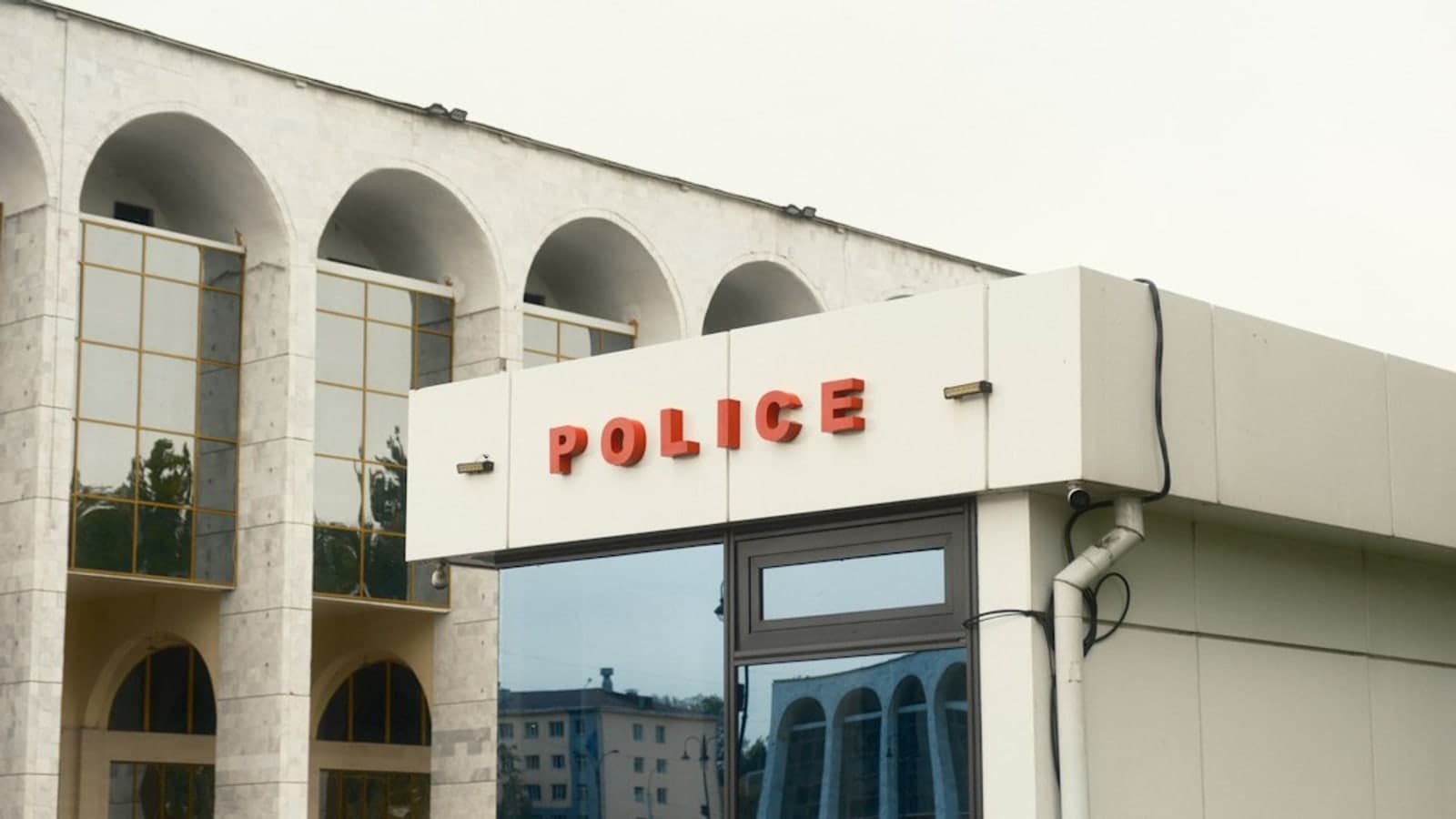
5 Things Festivalgoers Should Know After Two Arrests at Lokerse Feesten
Police administratively detained a man and a woman after they allegedly continued to resist intervention at a Lokerse Feesten festival bar shortly before 02:00 on 9 August 2026. The practical takeaway for visitors is to follow security instructions, step away from escalating situations and call 112 or 101 when immediate help is needed.
Festival visitors need to understand both how to respond safely when stewards or police intervene and what Belgian arrest terminology means. Calling the measure administrative avoids wrongly implying that the two detained people were charged or convicted.
Police administratively detained a man and a woman after trouble at a bar on a site shortly before 02:00 on Sunday, 9 August 2026, according to an initial report by . Festival security intervened first, but the pair allegedly remained uncooperative after officers took over. No injuries, criminal charges or further judicial measures were reported, so the incident should not be described as a prosecution or finding of guilt.
For visitors, the immediate lesson is straightforward: comply with instructions from identifiable security staff, create distance from an argument and seek help early if a disagreement is becoming threatening. In Belgium, call 112 for urgent medical, fire or police assistance; 101 connects callers directly to urgent police assistance. A language barrier should not prevent anyone from making an emergency call: begin with the location, explain the immediate danger in simple English if necessary and follow the operator’s questions.
## 1. An administrative arrest is not a criminal conviction
The Dutch term used in the original reporting, “bestuurlijke aanhouding,” is important. Belgium’s explains that an administrative arrest is separate from the question of whether somebody committed a criminal offence. It is a temporary public-order measure intended to stop or prevent a serious disturbance, and it may last no longer than necessary, with a normal legal maximum of 12 hours.
That differs from a judicial arrest, which concerns suspicion of a criminal offence and follows a different legal process. The distinction matters particularly for international residents accustomed to different police terminology: the English word “arrest” can suggest that charges automatically follow, but that is not what has been confirmed here.
## 2. Security and police have different roles
Private festival stewards can enforce venue rules, refuse service and ask visitors to leave, but police exercise public powers under Belgian law. The reported sequence in — security personnel responding before police assumed control — illustrates how the two layers commonly work at a large event.
If staff intervene, keep your hands visible, avoid physical resistance and ask calmly where you should go. If you believe you have been treated unfairly, note the time, bar or stage area and identifying details, then make a complaint afterwards. Trying to settle that dispute in a crowded bar is likely to increase the danger to everyone nearby.
## 3. Know where you are before asking for help
takes place around the in , an city that also hosts the and its annual fair during the wider Lokerse Feestweek. The festival’s official programme says the 51st edition ran from 31 July to 9 August 2026. With several simultaneous events drawing people into the centre, “at the festival” may not give an emergency operator enough information.
Use the exact venue, entrance, bar name, stage or nearest street shown on signs and maps. Share your live location with companions and agree on a meeting point before mobile networks become busy. Visitors should also distinguish ’s city administration — , or the gemeente in everyday Dutch — from , which handles police reports and public order.
## 4. Dutch is useful, but English can get the essentials across
is in the Dutch-speaking Flemish Region, so signs and first-line instructions will normally be in Dutch. Useful words include “uitgang” for exit, “EHBO” for first aid, “bewaking” or “security” for security staff, and “politie” for police. “Bestuurlijke aanhouding” means administrative detention; “gerechtelijke aanhouding” refers to a judicial arrest.
In an emergency, clarity matters more than perfect language. State “, , ,” describe whether anyone is injured or carrying a weapon and say how many people are involved. Do not leave an injured or vulnerable person alone unless remaining there creates further danger.
## 5. Keep one incident in proportion
The two detentions occurred during the final weekend of a ten-day festival. Separate reporting from the same night said police also checked a report of a man with a knife near station; the object was not a knife. That report described other police interventions but did not establish that they were connected to the festival-bar disturbance.
Nor does an administrative detention by itself prove a wider safety failure. Local Police ’s published safety planning describes the wider kermis week as the city’s largest cultural event, historically attracting tens of thousands of visitors per day and requiring substantial police capacity. The relevant measure of safety is therefore not whether every disturbance can be prevented, but whether organisers, stewards, medical teams and police detect problems early and respond proportionately.
The unresolved questions are narrow but material: authorities have not publicly identified what triggered the dispute, whether anybody was hurt, how long the two people were held or whether a separate police report could lead to judicial follow-up. Unless , the public prosecutor or the organisers release more information, the confirmed outcome remains two temporary administrative detentions. Festivalgoers planning future editions should consult the event website and ’s portal shortly before travelling, because entrances, mobility arrangements, police reception hours and reporting points can change from year to year.
Impact
Regional — The incident is primarily relevant to Lokeren and East Flanders because the city centre accommodates Lokerse Feesten, Fonnefeesten and the annual fair during the same feestweek. Managing those overlapping crowds requires coordination among organisers, Stad Lokeren, Lokale Politie Lokeren and emergency services.
Local — The immediate impact is concentrated in Lokeren, particularly the Grote Kaai and city centre, where Lokerse Feesten, Fonnefeesten and the annual fair coincide during feestweek. Two administrative detentions do not establish a broader safety problem, but the episode shows how organisers, Stad Lokeren, Lokale Politie Lokeren and emergency services manage incidents amid overlapping crowds. Visitors may encounter security checks, steward instructions or temporary police interventions while moving between festival areas and other city-centre events.
What it means for you
If stewards or police intervene at Lokerse Feesten, follow their instructions, create distance from any confrontation and avoid obstructing the intervention. For urgent police assistance in Belgium, call 101; call 112 when emergency services are needed. An administrative arrest does not mean the person has been charged or convicted: it is a temporary public-order measure that must end when no longer necessary and normally within 12 hours. Anyone directly involved should ask whether the detention is administrative or judicial and seek legal assistance if uncertain about their status or rights.
Opposing perspectives
- Festival organisers and public-order services
Organisers, stewards and police approach early intervention as a way to prevent a local dispute from spreading through a dense crowd. From that operational perspective, temporary removal can be proportionate when instructions are ignored and ordinary de-escalation has failed.
- Civil-liberties and due-process perspective
People subjected to police measures retain legal protections, and an administrative arrest should be necessary, proportionate and no longer than required to restore order. Reporting must not convert temporary detention into an unsupported suggestion of guilt or criminal prosecution.
Who, where and what
Key people, places and terms in this story
112 is Belgium’s emergency number for urgent danger, including life-threatening situations, fires, ambulance needs or police emergencies. It matters because residents are repeatedly instructed to use it only for immediate danger, while non-urgent storm or water-damage reports should avoid it.
Belgian province containing Lokeren and the incident’s main regional audience.
East Flanders city hosting Lokerse Feesten and the wider feestweek.
Festival site in Lokeren where Lokerse Feesten is held.
Belgian federal authority providing official guidance relevant to administrative detention.
Show the full library (12)
East Flanders city hosting Lokerse Feesten and the wider feestweek.
Festival site in Lokeren where Lokerse Feesten is held.
Belgian province containing Lokeren and the incident’s main regional audience.
112 is Belgium’s emergency number for urgent danger, including life-threatening situations, fires, ambulance needs or police emergencies. It matters because residents are repeatedly instructed to use it only for immediate danger, while non-urgent storm or water-damage reports should avoid it.
Annual ten-day music festival where the incident and administrative detentions occurred.
Lokeren festival taking place during the same feestweek as Lokerse Feesten.
Belgian federal authority providing official guidance relevant to administrative detention.
Local police service that assumed control of the intervention and administratively detained two people.
Municipal authority involved in coordinating the city’s crowded feestweek.
News outlet that initially reported the two administrative detentions.
Public-service news outlet included among the article’s regional sources.
Belgian number readers should call for urgent police assistance.
Sources & evidence
- View sourceHLNPrimaryprimary· hln.be· 9 August 2026Retrieved 29 August 2026· 54 days ago· Dated
- View sourceVRT NWScorroborating· vrt.be· 9 August 2026Retrieved 29 August 2026· 54 days ago· Dated
- View sourceFederal Public Service Justiceofficial· justice.belgium.beRetrieved 29 August 2026
- View sourceLokale Politie Lokerenofficial· politie.beRetrieved 29 August 2026
Related topics
Related to this story

Pulse Insight — This topic connects to 10 associations and 2 funding programmes through the Flanders ecosystem.
Live connections from the Belgium Impulse ecosystem — not recommendations.
This briefing was prepared with AI assistance and reviewed by a Belgium Impulse editor before publication. methodology.