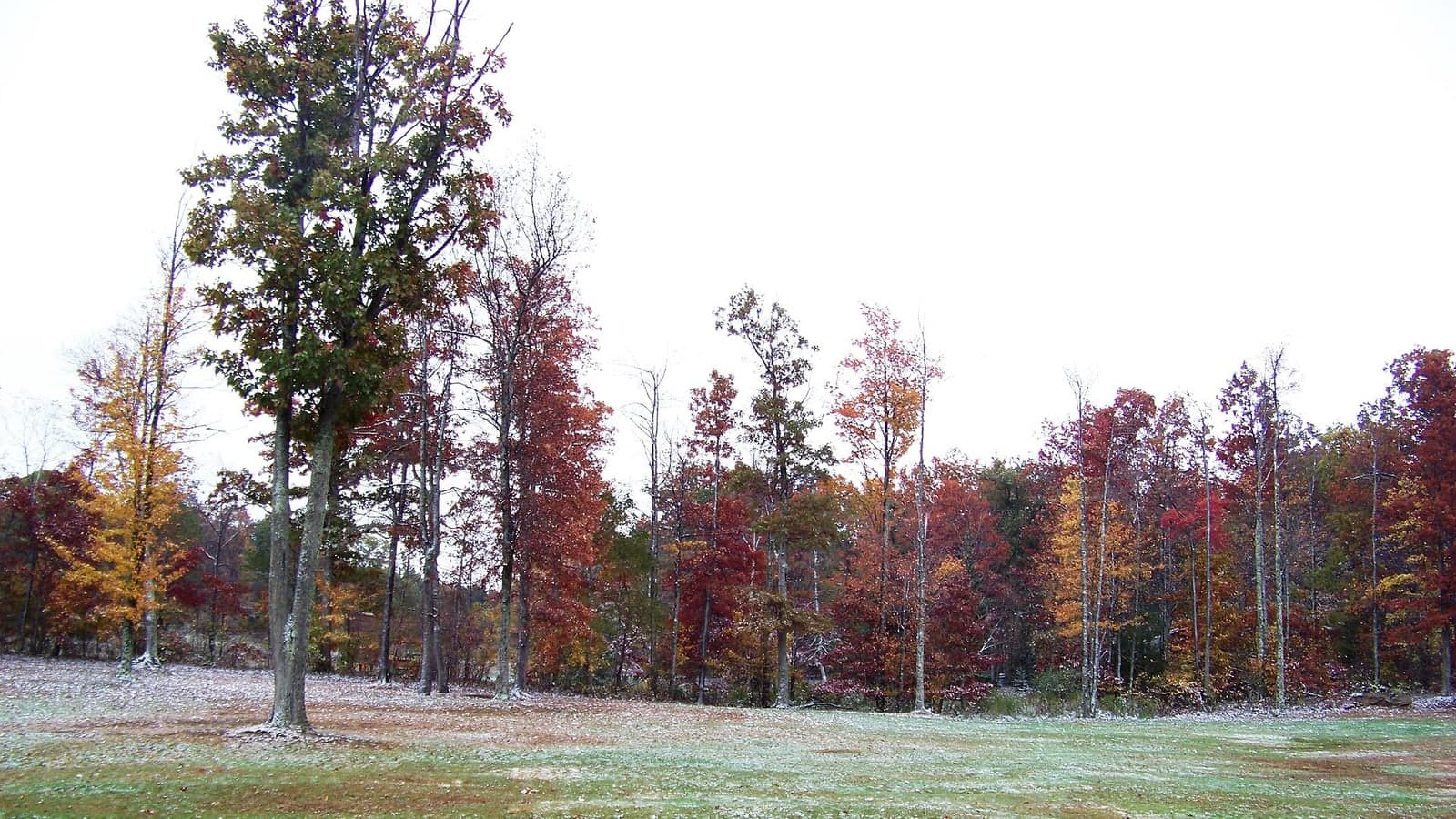
Did blue-green algae sink Ghent’s open-water swimming experiment?
Ghent’s three temporary open-water swimming zones remained closed through their final scheduled day on 30 August 2026 after cyanobacteria kept the water below safety requirements. Swimmers should check Kwaliteitzwemwater.be and the relevant gemeente or commune before entering any Belgian open water.
The cancellation removes an anticipated central-Ghent leisure option and demonstrates that advertised Belgian bathing access can change at short notice. Residents and visitors need to verify the official same-day status rather than judge water by appearance.
kept all three of its temporary open-water swimming zones closed through Sunday, 30 August, after blue-green algae made the water unsafe, meaning the city’s planned Zalige Zwemweken ended without the promised dip at , or near Portus Ganda. The practical lesson extends beyond this cancelled experiment: never assume that an advertised Belgian swimming place is open. Check Kwaliteitzwemwater.be and the website of the responsible gemeente or commune on the day, then obey the signs and flags at the water.
The zones were supposed to operate from 13 to 30 August, with pontoons, ladders and marked swimming areas already installed. postponed the opening on 12 August because all three locations failed water-quality checks. Its information page, last updated on 28 August, still recorded a swimming ban at every site. , reporting with , confirmed that the ban remained in force on the final scheduled day.
The Flemish Environment Agency, or (), recorded cyanobacterial blooms at , and from 20 July. Measurements published through the Flemish Kwaliteitzwemwater portal also classified Keizerpark under a zwemverbod, or swimming ban. The city said the VMM and Oost-Vlaanderen’s Provinciaal Centrum voor Milieuonderzoek tested several times a week for cyanobacteria, E. coli and intestinal enterococci. The Flemish Department of Care, , assessed whether the results allowed swimming.
## Why blue-green algae stop swimming
Despite the familiar Dutch name blauwalgen, these organisms are cyanobacteria rather than true algae. They occur naturally, but warm, relatively still and nutrient-rich water can allow them to multiply rapidly and form blue-green, reddish-brown or oily-looking accumulations. A bloom can also shift quickly with wind and currents, so water that appears clear is not automatically safe.
Flemish public-health guidance says potentially toxic cyanobacteria require prompt reporting and protective measures. Exposure can occur through skin contact, swallowed water or spray. Possible short-term symptoms include irritated eyes or skin, headache, nausea, diarrhoea, vomiting and respiratory complaints. Children and dogs deserve particular care because they may swallow more water; animals should never drink from or enter water affected by a bloom.
If contact happens accidentally, leave the water, rinse or shower with clean water and wash swimming gear. Seek medical advice if symptoms develop, especially after swallowing water. In Dutch-speaking , ask the local milieudienst about a zwemverbod; in French-speaking municipalities, the useful terms are service environnement and interdiction de baignade. For urgent medical help in Belgium, call 112.
## How to check before taking a dip
For recognised Flemish bathing waters and free swimming zones, Kwaliteitzwemwater.be publishes measurements and current restrictions in Dutch. ’s blauwalgen page lists reported blooms more broadly, but the agency stresses that the municipality or water manager decides what restrictions apply at a particular location. also directs visitors to its Zalige Zwemweken page and uses on-site flags: red means swimming is forbidden. An English event page exists through Visit Gent, but the Dutch city and Flemish portals generally carry the most detailed operational information.
A listing, old social-media post or sunny forecast is therefore not enough. Check the official status shortly before departure, read the board at the site and do not enter if the information conflicts—the prohibition on the ground wins. Use only a designated zone, go with another capable swimmer and remember that a vrije zwemzone is not the same as a supervised pool. Flemish guidance defines it as swimming at one’s own risk, normally without a lifeguard.
’s temporary rules would have excluded children under ten, required ten- to twelve-year-olds to be accompanied in the water and barred dogs. The city also made clear that a ban could be imposed immediately when water quality deteriorated. Those safeguards addressed more than bacteria: open water can bring boat traffic, cold shock, currents, submerged obstacles and limited visibility.
## A larger urban-water problem
The cancellation frustrated a long-running effort to give residents more legal places to cool down. ’s Blaarmeersen remains its established outdoor-swimming destination, while residents have repeatedly sought access closer to the centre. A smaller 2025 initiative was also cancelled twice because the water quality was inadequate, according to the city’s Water in de stad project page.
Rules introduced in have made it easier for local authorities to create free swimming zones, but a legal designation cannot make polluted or bloom-prone water safe. The 2026 failure exposes the distance between installing access infrastructure and maintaining resilient urban waterways. Environmental Front and watersports association Dokano have called for investment addressing unconnected homes, combined-sewer overflows and the loss of natural banks and aquatic vegetation, reported.
That argument points to structural work rather than a quick anti-algae treatment. Nutrients entering waterways can support blooms, while heat and prolonged dry conditions can intensify them. Yet the precise contribution of each source at ’s three sites has not been publicly quantified, and one unsuccessful season cannot by itself establish a long-term trend at each location.
There is also a legitimate public-health counterweight. Open-water advocates see accessible urban swimming as recreation, exercise and relief during hotter summers. Water managers and must make decisions using conditions that can change within hours, where an optimistic opening could expose swimmers to avoidable harm. The city’s caution was disappointing but consistent with that responsibility.
For now, the pontoons did not deliver the summer envisaged. The next meaningful developments will be the city’s evaluation of the pilot, any source-by-source diagnosis of the pollution and a decision on whether the three locations return in 2027. Until then, the Flemish expression used as the original plans came under threat—afwachten en hopen geblazen, roughly ‘wait and hope’—captures the uncertainty, but it is not a safety rule. Official measurements and the red flag are.
Impact
Regional — The immediate impact is concentrated in Ghent, but the episode illustrates a Flemish-wide challenge: expanding legal open-water access while blooms and microbial contamination can make designated zones temporarily unusable.
Local — The closure directly affected Ghent residents and visitors hoping to swim at Schipperskaai, Keizerpark or Veermanplein between 13 and 30 August 2026. All three central locations stayed unavailable through the experiment’s final scheduled day, removing the promised city-centre leisure option for the entire trial period. The result also limits what Stad Gent can learn from actual swimmer use, although the article establishes only that water quality prevented the zones from opening, not what the city will decide about future trials.
What it means for you
Do not enter the three Ghent zones on the assumption that a previously advertised programme makes swimming legal or safe: the 2026 trial ended on 30 August with the prohibition still active. Before using any Belgian open-water site, check its same-day status on Kwaliteitzwemwater.be and consult the relevant gemeente or commune for local restrictions. Conditions can change after testing, and water should not be judged safe from its appearance. For any future Ghent swimming programme, confirm the opening and water-quality status before travelling to Schipperskaai, Keizerpark or Veermanplein.
Opposing perspectives
- Urban-swimming and environmental groups
Ghent Environmental Front and watersports association Dokano argue that the failed season should accelerate structural improvements, including better sewer connections, fewer combined-sewer overflows and more natural banks and aquatic vegetation.
- Public-health and water authorities
Departement Zorg, the VMM and the city prioritise exposure prevention because cyanobacterial conditions can change quickly and visual inspection alone is unreliable. From this perspective, keeping prepared infrastructure closed is warranted when tests do not support safe bathing.
Who, where and what
Key people, places and terms in this story
City where the temporary open-water swimming experiment was planned.
Belgian region whose authorities oversee the relevant water-quality and open-water framework.
One of the three planned temporary swimming locations affected by cyanobacteria.
One of the three planned temporary swimming locations affected by cyanobacteria.
One of the three planned temporary swimming locations affected by cyanobacteria.
Show the full library (14)
City where the temporary open-water swimming experiment was planned.
One of the three planned temporary swimming locations affected by cyanobacteria.
One of the three planned temporary swimming locations affected by cyanobacteria.
One of the three planned temporary swimming locations affected by cyanobacteria.
Belgian region whose authorities oversee the relevant water-quality and open-water framework.
Municipal authority that prepared the swimming zones, postponed opening and enforced the prohibition.
Flemish environmental agency that monitored water quality and listed cyanobacterial blooms at the sites.
Abbreviation used for the Vlaamse Milieumaatschappij in its monitoring role.
Flemish health department that assessed the public-health risk.
Official website readers can use to check the status of Belgian bathing and swimming locations.
News outlet cited for reporting on the Ghent swimming-zone problem.
English-language news outlet cited for reporting on the closures.
Belgian news agency credited in The Brussels Times report.
Public-service news outlet cited for its 2024 reporting on blue-green-algae swimming bans.
Sources & evidence
- View sourceHet NieuwsbladPrimaryprimary· nieuwsblad.be· 3 August 2026Retrieved 31 August 2026· 60 days ago· Dated
- View sourceStad Gent — swimming zones not yet safeofficial· stad.gent· 12 August 2026Retrieved 31 August 2026· 51 days ago· Dated
- View sourceStad Gent — blue-green algae in Ghent watersofficial· stad.gent· 28 August 2026Retrieved 31 August 2026· 35 days ago· Dated
- View sourceVlaamse Milieumaatschappij — blue-green algae reports 2026official· vmm.vlaanderen.beRetrieved 31 August 2026
Related topics
Related to this story
Pulse Insight — This topic connects to 10 associations and 2 funding programmes through the Flanders ecosystem.
Live connections from the Belgium Impulse ecosystem — not recommendations.
This briefing was prepared with AI assistance and reviewed by a Belgium Impulse editor before publication. methodology.