How can you make the most of four free days at Maanrock in Mechelen?
Mechelen is completing preparations for Maanrock, which opens on Thursday 27 August 2026 and brings four days of free music and cultural activities to the city centre. Visitors should travel by train, bus or bicycle where possible, check the Dutch-language timetable before leaving and expect road restrictions during the festival.
For residents and visitors, Maanrock offers unusually broad access to live culture without an admission charge. Its dispersed layout also turns central Mechelen into a large pedestrian festival zone, making advance planning important for transport, accessibility and everyday movement.
is completing preparations for the 29th , which opens on Thursday 27 August and runs until midnight on Sunday 30 August 2026. The practical takeaway is simple: admission is free, the programme is spread across the historic centre, and visitors will have an easier journey if they arrive by train, bus or bicycle rather than attempting to park near the Grote Markt. Organiser Mechelen Feest says more than 500 volunteers are helping to deliver the festival.
Thursday is a smaller opening evening rather than the full-scale festival experienced from Friday onwards. The official programme begins with music at MOES in the Sinte-Mettetuin and on the Mechels Podium at the Lindepoort. The principal festival perimeter operates on Friday from 18:30 until 02:00, Saturday over the same hours and Sunday from 14:00 until midnight, according to the organiser’s practical information.
The main stage on the Grote Markt offers the most recognisable Belgian names. and play on Friday, while Saturday’s programme includes , Yong Yello and electronic artist . Sunday moves towards an intergenerational family audience, with Aaron Blommaert, , Les Truttes and a late K3 show. The official timetable should be checked for exact performance times and late changes.
is broader than its headline concerts. De Speelplaats on the Botermarkt concentrates on electronic music, hip-hop, urban sports and street culture. MOES combines emerging musicians with circus and theatre, while the Mechels Podium gives local ensembles and performers space at its new Lindepoort location. The Theatertuin occupies the garden of the Moreelshuis, and Rommy’s Zomertuin brings children’s activities to the Kruidtuin on Sunday. That distribution makes the festival feel less like a fenced concert and more like an invitation to explore .
## Getting there without getting stuck
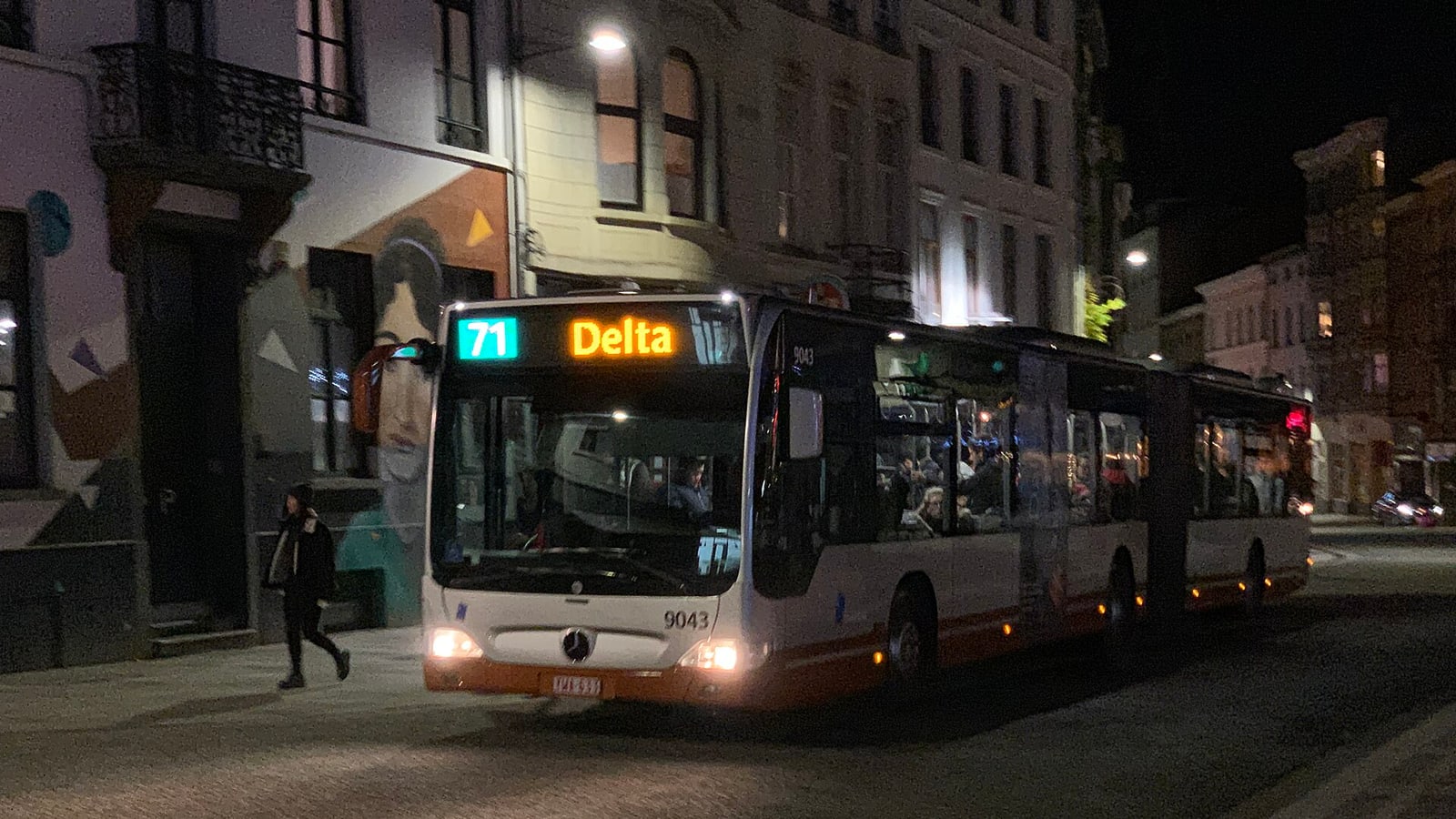
and Mechelen-Nekkerspoel stations are approximately 15 and 10 minutes on foot respectively from the festival, according to ’s mobility page. International residents should search for the stations under their Dutch names in the SNCB/NMBS journey planner. De Lijn buses will run on altered routes while streets are closed, so passengers should consult the live route planner rather than rely on their usual stop.
Cyclists can use festival parking at the Veemarkt and Keizerstraat, Zoutwerf and Haverwerf, Wollemarkt, and the Pitzemburg school site near the Bruul. Bikes, scooters and skateboards cannot enter the festival zone itself. The city warns that bicycles left inside that zone between 27 and 30 August may be removed and taken to H30 at Hanswijkstraat 30.
Drivers face temporary measures associated with construction and dismantling from 23 August until 2 September. recommends the Keerdok, Komet, Bruul, Maarten, Zandpoortvest, NMBS and Tinel edge-of-centre car parks. Parking Grote Markt closes from the morning of 28 August until 31 August, while access to Parking Veemarkt is restricted during festival hours. A city M-Shuttle serves selected peripheral parking sites at specified times, but visitors should confirm the current route on the website.
## What to bring — and what to leave behind
Concert admission is free, but food and drinks are not. uses paper vouchers, purchasable with cash or bank card, and does not refund unused vouchers. Reusable cups carry a €0.75 deposit, which can be returned through Bancontact or as drink vouchers. Visitors cannot bring their own food or drink through the gates, although free drinking-water points are available near the IJzerenleen toilet zone and De Post.
Ordinary pets are excluded from the controlled area, while assistance and guide dogs are permitted. Residents living inside the perimeter may still enter and leave, although stewards can ask for an identity card to verify their address. Glass packaging remains prohibited, so residents are advised to complete shopping outside active festival hours.
The main official pages are primarily in Dutch. Useful terms include “bereikbaarheid” for access and transport, “toegankelijkheid” for accessibility, “uurrooster” or “timetable” for performance times, and “ingang” and “uitgang” for entrance and exit. , the city’s tourism portal, offers English, French, German and Spanish navigation, making it the easier starting point for newcomers who do not read Dutch.
Accessibility provision includes cable covers suitable for wheelchairs, adapted toilets across the grounds and a raised viewing platform to the left of the Grote Markt stage on Friday, Saturday and Sunday. Capacity on that platform is limited and cannot be reserved; each wheelchair user may bring no more than one companion. Wheelchair users may exceptionally enter through Befferstraat, normally an exit, to reach it. On Sunday, Flemish Sign Language interpreters are scheduled at the main stage. BlinkOut’s KoMaan! programme at BlinkHuis , Tichelrij 7, provides a quieter environment for visitors who need relief from crowds or sensory stimulation.
## Why keeping free matters
began in 1996 as a small event featuring local performers and has developed into a fixture that the organiser says now attracts more than 100,000 visits annually. played at the first edition and returns this year, giving the programme a visible connection to that history. The 2026 gathering is described as the 29th edition even though the event traces its roots back 30 years.
Feest chair Marc Baert told that municipal backing, sponsorship and volunteer labour allow the festival to retain free admission at a time of rising concert prices. For organisers and city supporters, that open access is central to ’s civic purpose: families and lower-income residents can share the same programme without first calculating ticket costs.
That model nevertheless distributes rather than eliminates the cost. The city, commercial partners, hospitality spending and hundreds of volunteers support an event for which spectators do not buy admission. Residents and traders within the perimeter also absorb several days of deliveries, noise and restricted car access. ’s continuing test is therefore whether it can preserve broad cultural access while managing disruption and maintaining a viable funding mix.
Visitors should now watch the official timetable, the app, SNCB/NMBS and De Lijn updates, and any last-minute safety or weather notices. After Sunday’s closing show, dismantling and associated traffic measures continue into 2 September; the city has not yet published attendance or final financial results for this edition.
Impact
Regional — The festival temporarily changes mobility and public-space use across central Mechelen, while bringing a large audience to local hospitality businesses and cultural organisations. Building and dismantling affect traffic between 23 August and 2 September.
Local — Central Mechelen becomes a large pedestrian festival area during Maanrock, affecting road access, parking and routine movement for residents, workers and visitors. Construction and dismantling influence traffic from 23 August through 2 September, beyond the four festival days. The expected audience should increase activity for local cafés, restaurants and cultural organisations. More than 500 volunteers are involved. Mechelen and Mechelen-Nekkerspoel stations provide the principal rail approaches, approximately 15 and 10 minutes on foot from the festival respectively.
What it means for you
If attending between 27 and 30 August, check the Dutch-language programme before travelling because the fullest schedule runs from Friday through Sunday. Prefer train, bus or bicycle: central road restrictions may apply from 23 August until 2 September. From Mechelen-Nekkerspoel station, allow roughly 10 minutes to walk; from Mechelen station, allow around 15 minutes. Entry to concerts and activities is free, but budget separately for food and drinks, which are purchased with non-refundable vouchers. Consult the festival’s accessibility information before departure if you need adapted facilities or assistance.
Opposing perspectives
- Organisers, city supporters and accessibility advocates
Mechelen Feest and supporters of publicly accessible culture regard free admission as a defining social feature of Maanrock. They argue that municipal support, sponsorship and volunteer work allow residents across income groups to attend the same programme and help local talent share space with established Belgian performers.
- Residents, motorists and affected city-centre traders
People living, driving or operating businesses inside the festival area may experience the model less positively because road closures, parking prohibitions, crowds, deliveries and late-night noise extend beyond the performance hours. Their concern is not necessarily the festival itself but whether disruption is communicated clearly and distributed fairly.
- Public-finance and festival-sector perspective
Free entry removes the ticket barrier but does not make the event costless: municipal support, sponsors, food and drink sales, and extensive volunteer labour carry the expense. The long-term question is whether that funding mix remains resilient as production, security and artist costs rise.
Who, where and what
Key people, places and terms in this story
Host city whose centre becomes the festival area.
Belgian performer listed among the 2026 main-stage acts.
Rail station approximately 15 minutes on foot from the festival.
Rail station approximately 10 minutes on foot from the festival.
News outlet reporting on preparations and the involvement of more than 500 volunteers.
Show the full library (15)
Belgian performer listed among the 2026 main-stage acts.
Host city whose centre becomes the festival area.
Rail station approximately 15 minutes on foot from the festival.
Rail station approximately 10 minutes on foot from the festival.
Free city-centre music and cultural festival running in Mechelen from 27 to 30 August 2026.
News outlet reporting on preparations and the involvement of more than 500 volunteers.
Organiser of Maanrock.
Municipal authority supporting the festival.
Belgian music act listed among the 2026 main-stage performers.
Belgian music act listed among the 2026 main-stage performers.
Belgian music act listed among the 2026 main-stage performers.
Belgian music act listed among the 2026 main-stage performers.
Music group listed among the 2026 main-stage performers.
City visitor-information service providing information about Maanrock 2026.
Public-service news outlet whose 2024 coverage provides recent historical context for the festival.
Sources & evidence
- View sourceHet NieuwsbladPrimaryprimary· nieuwsblad.be· 26 August 2026Retrieved 26 August 2026· 37 days ago· Dated
- View sourceMaanrock — general practical informationofficial· maanrock.beRetrieved 26 August 2026
- View sourceMaanrock — mobility informationofficial· maanrock.beRetrieved 26 August 2026
- View sourceMaanrock — accessibility informationofficial· maanrock.beRetrieved 26 August 2026
Related topics
Related to this story

Pulse Insight — This topic connects to 10 associations and 2 funding programmes through the Flanders ecosystem.
Live connections from the Belgium Impulse ecosystem — not recommendations.
This briefing was prepared with AI assistance and reviewed by a Belgium Impulse editor before publication. methodology.