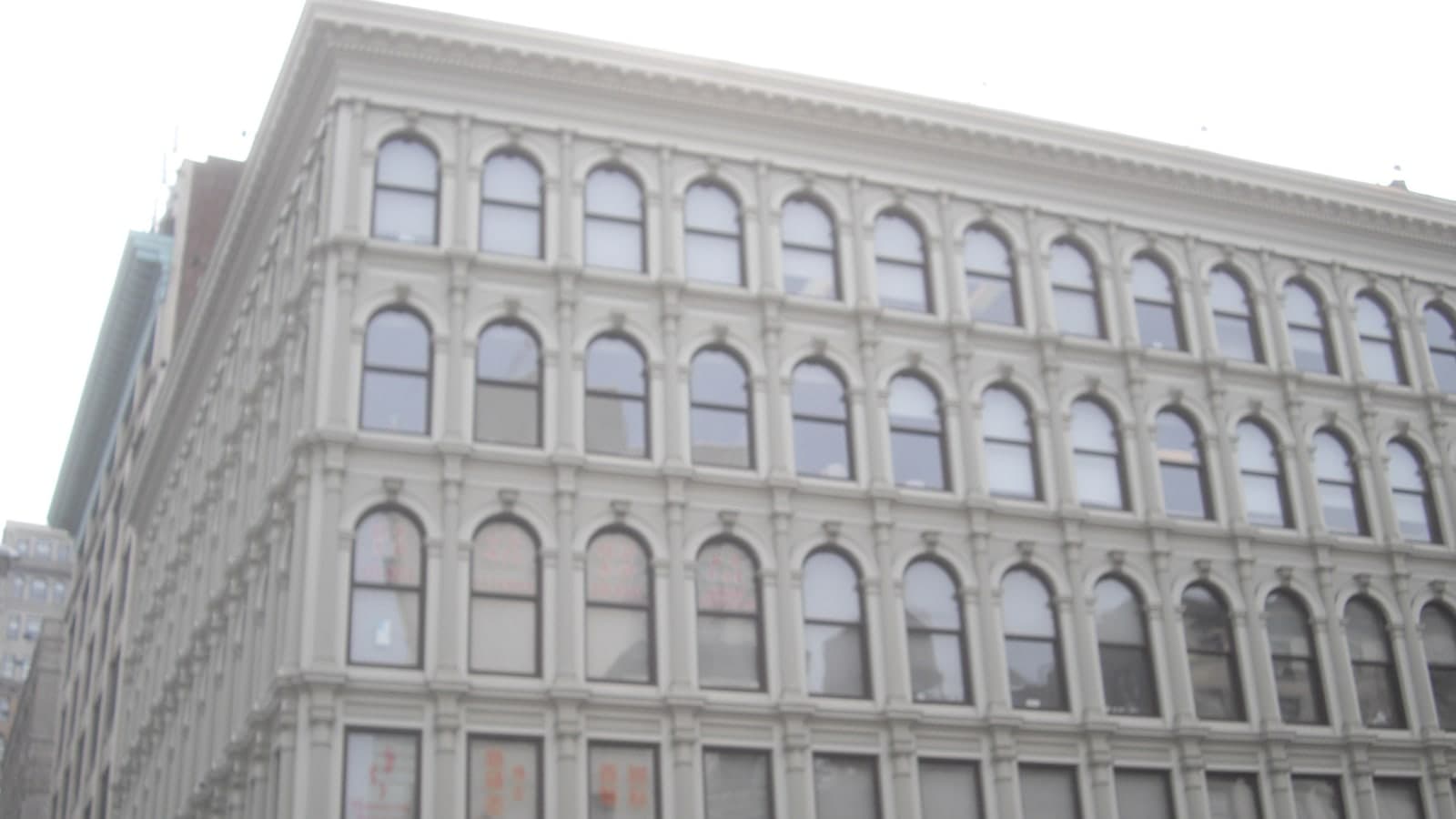
Who will give Kortrijk’s historic stones their next home?
Kortrijk opened registrations on 26 August for residents and heritage enthusiasts to acquire 33 lots of historic stone fragments, with the new owners to be selected during Open Monument Day on 13 September.
The initiative tests how a local authority can balance conservation, limited depot capacity, public access and reuse. Buyers gain a physical part of Kortrijk’s past, while the city must ensure that transferring objects does not sever their documented connection to that past.
opened registrations on Wednesday, 26 August, for residents and heritage enthusiasts who want to acquire historic stone fragments once kept in the West Flemish city’s former lapidarium. The 33 lots will be allocated by draw during on 13 September, after pieces judged to have the greatest cultural or historical value were retained in the regional heritage depot.
For people in and around , this is an unusually tangible encounter with municipal history: selected buyers will be able to place a fragment that once formed part of the cityscape in a home, garden, façade renovation or other project. The city says applicants can register through the Kortrijk museums website until 6 September and inspect the stones at on 2 or 5 September.
The collection contains weathered pieces from buildings, columns, ornaments and other architectural features. According to the city, some had spent years in public spaces, museum storage and the courtyard of the former 1302 museum. The lots vary in appearance and size, and the municipal catalogue provides photographs, dimensions and weights.
is presenting the operation as more than a sale. If several people seek the same lot, the buyer will be chosen by lottery rather than through competitive bidding. reports that prices range from €40 to €250 and that the city could raise roughly €4,000 for reinvestment in public space. Those financial details come from local reporting and were not included in the city’s published announcement.
Felix De Clerck, ’s alderman responsible for culture and movable heritage, describes the fragments as remnants of the shared city built by successive generations. Wout Maddens, the alderman responsible for immovable heritage, says the city hopes recipients will be moved by that history and give the stones a visible new place. Anke D’Haene, who heads Art in Public Space, told that finding owners is preferable to allowing the material to deteriorate indefinitely in storage.
That argument captures the practical case for deaccessioning, but it also exposes the difficult judgement behind it. Public collections cannot preserve every object forever: storage, documentation and conservation consume money and space. The Flemish government’s strategic vision for cultural heritage says institutions must reassess historically accumulated collections, while following internationally accepted ethical standards when objects are transferred, repurposed or removed. It also acknowledges that legal and emotional objections can make the process lengthy.
says it separated the most valuable and culturally significant pieces before offering the remaining material. Its public information does not, however, provide a provenance history for every fragment or publish the assessment criteria used lot by lot. That leaves a reasonable question for historians and residents: once an object moves into private hands, will its connection to its original building and civic setting remain traceable? No public objection from a local heritage organisation had been reported when the initiative was announced.
The experiment is local, but it fits a wider European effort to keep existing materials in productive use. The describes construction and demolition debris as the EU’s largest waste stream and warns that much apparent recovery consists of low-grade uses such as backfilling. ’s 33 lots are not an industrial waste programme, and their importance is primarily cultural, yet retaining complete architectural elements preserves more material and narrative value than crushing them into aggregate.
The timing is deliberate. is the host city for ’ 38th , whose 2026 theme, “In good hands”, focuses on the people and practices that maintain and repurpose heritage. Around 70 activities at 50 Kortrijk locations are planned for 13 September.
Applicants now have until 6 September to choose a lot. Winners must pay for and collect their stones at after the 10:00 draw on 13 September. What happens after that is the intriguing part: the city has not said whether it will document the fragments’ new locations, so their next chapter may depend largely on the care and curiosity of their private custodians.
Impact
Regional — The scheme directly concerns Kortrijk residents, local collectors, heritage professionals and the wider West Flemish public. It also gives Kortrijk a prominent participatory project as host city of Flanders’ 2026 Open Monument Day.
Local — The initiative is centred on Kortrijk and Depot Rollegem, where prospective buyers can view the lots. It gives residents, collectors and heritage enthusiasts in Kortrijk and wider West Flanders direct access to fragments of the city’s architectural history. For the city and Trezoor, the transfer also reduces pressure on heritage storage while keeping the highest-value pieces in a regional public depot. The lottery forms part of Kortrijk’s profile as host city for Flanders’ 2026 Open Monument Day.
What it means for you
Anyone interested in acquiring a lot must register by 6 September 2026. The fragments can be inspected at Depot Rollegem during viewing sessions on 2 and 5 September, allowing prospective buyers to assess their size, condition and suitability before entering. The lottery will determine buyers on 13 September during Open Monument Day. Reported prices range from €40 to €250, so entrants should decide beforehand what they are prepared to pay and whether they have suitable transport and space for an architectural stone fragment. The most culturally significant pieces are not included because Trezoor has retained them.
Opposing perspectives
- Kortrijk’s public-reuse approach
Aldermen Felix De Clerck and Wout Maddens frame the transfer as a way to keep overlooked fragments connected to residents and visible in homes, gardens or building projects. The lottery, rather than a highest-bidder auction, places civic attachment and a new destination ahead of maximising revenue.
- Flemish heritage-policy caution
The Flemish Department of Culture, Youth and Media accepts that not everything can remain in a public collection, but its policy framing stresses assessment, coherent collection plans and internationally recognised ethical standards. From that perspective, reuse is valuable only when significance, provenance and legal status have first been addressed.
- European circular-materials perspective
The European Environment Agency views reuse through a wider material-efficiency lens: preserving components at high value is preferable to low-grade recovery. That supports Kortrijk’s practical instinct, although an EU-wide construction-waste strategy operates on an entirely different scale from 33 culturally meaningful objects.
Who, where and what
Key people, places and terms in this story
West Flemish city offering 33 lots of historic stone fragments and hosting Open Monument Day in 2026.
Belgian province containing Kortrijk and the wider regional public affected by the initiative.
Belgian region whose 2026 Open Monument Day is hosted by Kortrijk.
Location of the scheduled viewing sessions on 2 and 5 September 2026.
Newspaper reporting prices of €40 to €250 and possible proceeds of about €4,000.
Show the full library (14)
West Flemish city offering 33 lots of historic stone fragments and hosting Open Monument Day in 2026.
Belgian province containing Kortrijk and the wider regional public affected by the initiative.
Belgian region whose 2026 Open Monument Day is hosted by Kortrijk.
Location of the scheduled viewing sessions on 2 and 5 September 2026.
Heritage event on 13 September 2026 during which the lottery will determine the buyers.
2021 Flemish policy document supplying broader context for cultural-heritage management.
Newspaper reporting prices of €40 to €250 and possible proceeds of about €4,000.
Local authority organising the registration, viewing sessions and paid lottery.
Regional heritage depot for south-west Flanders retaining the fragments assessed as most culturally or historically important.
Flemish Open Monument Day organisation identifying Kortrijk as its 2026 host city.
Kortrijk museum service providing public information about acquiring the stone fragments.
EU agency providing broader information about construction and demolition waste and reuse challenges.
Flemish government department responsible for the cited strategic vision on cultural heritage.
Flemish public-service news outlet included among the article’s sources.
Sources & evidence
- View sourceCity of Kortrijk NewsroomPrimaryprimary· pers.kortrijk.be· 26 August 2026Retrieved 26 August 2026· 37 days ago· Dated
- View sourceMusea Kortrijkofficial· kortrijk.beRetrieved 26 August 2026
- View sourceHet Nieuwsbladcorroborating· nieuwsblad.be· 26 August 2026Retrieved 26 August 2026· 37 days ago· Dated
- View sourceOpen Monumentendag Vlaanderenofficial· openmonumentendag.beRetrieved 26 August 2026
Related topics
Related to this story
Pulse Insight — This topic connects to 10 associations and 2 funding programmes through the Flanders ecosystem.
Live connections from the Belgium Impulse ecosystem — not recommendations.
This briefing was prepared with AI assistance and reviewed by a Belgium Impulse editor before publication. methodology.