High Fens fire controlled as smoke and hidden hotspots persist
Emergency crews kept the High Fens wildfire under control on Sunday, 23 August, but tackled local flare-ups as smoke accumulated around the burned area. About 3,000 hectares have been affected since the fire began on 14 August.
This was Belgium’s largest recorded wildfire in modern official accounts, affecting a substantial part of a nationally important reserve. Persistent peat hotspots, access restrictions and the unknown ecological toll mean that control of the fire does not end the emergency.
UPDATED: 24 August 2026, 09:00 CEST
Emergency crews kept the High Fens wildfire under control on Sunday, 23 August, while extinguishing local flare-ups around the reserve in eastern Belgium, according to the Liège provincial crisis centre. The fire has affected about 3,000 hectares since it started near Drossart, in Baelen, at approximately 13:06 on Friday, 14 August, the Walloon authorities and local broadcaster Vedia reported.
Smoke gathered over parts of the plateau early Sunday after the wind fell during the night. Tony Hosmans, spokesperson for the provincial crisis centre, told L’Avenir that crews responded to several contained outbreaks. Tests around Sourbrodt and the perimeter detected no carbon-monoxide danger, while monitoring stations recorded a temporary rise in fine particles during a temperature inversion. The readings returned to normal after sunrise, and the reported 24-hour air-quality index was “good”.
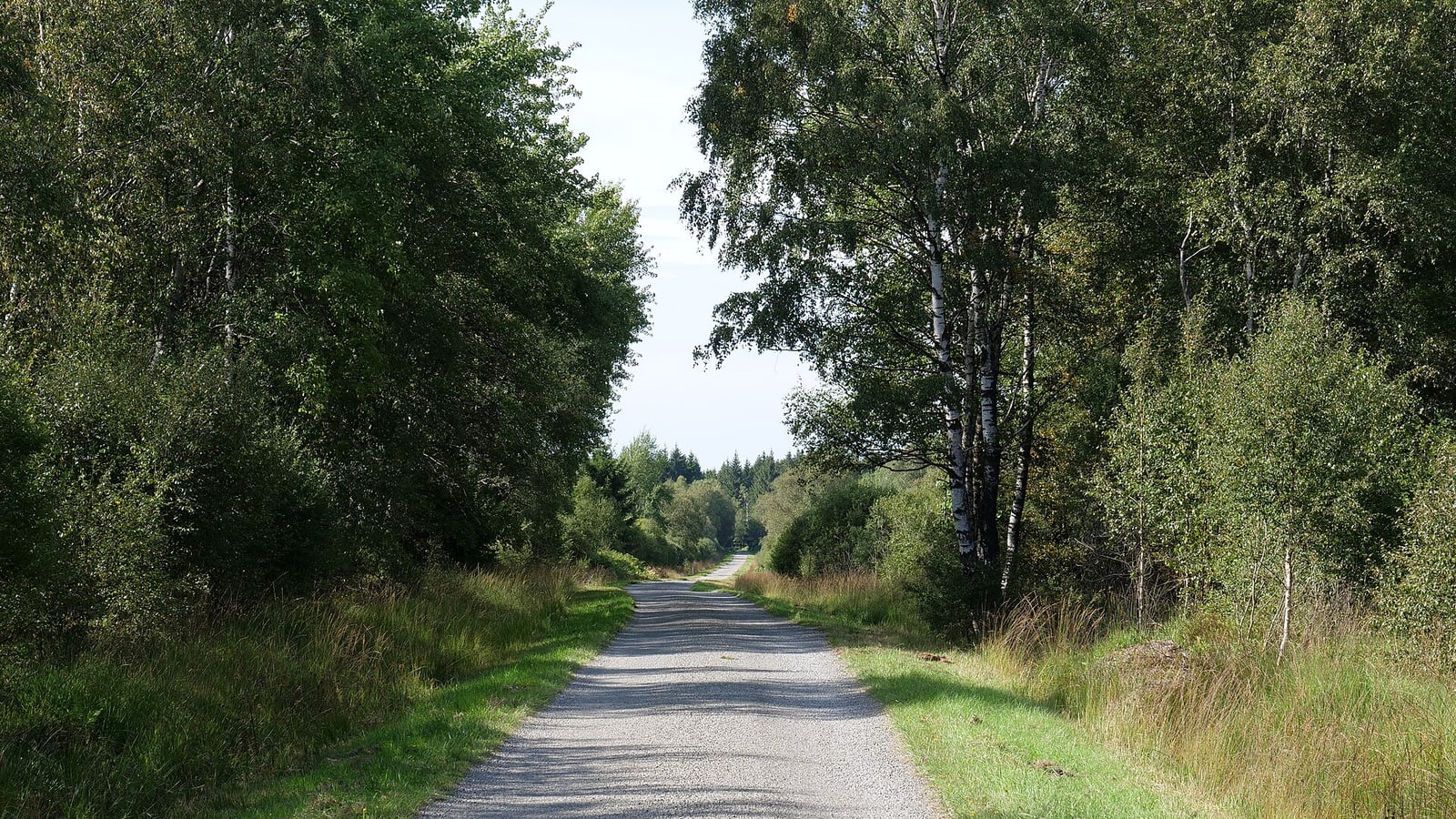
The images of the damage show large, blackened stretches of heath, forest and peatland. Le Soir’s Soirmag picture report said the affected area represented close to half of the approximately 4,500-hectare state nature reserve. That comparison describes the scale of the fire perimeter; scientists have not yet completed a habitat-by-habitat assessment of what burned or survived.
Officials declared the fire controlled overall on 20 August, but not extinguished. Belgium’s Defence Ministry said changing wind, difficult ground and peat complicated the operation. Peat can retain heat below the surface, leaving hotspots that demand repeated checks and watering after visible flames disappear.
The operation drew firefighters from across Belgium and assistance from Germany, Luxembourg, the Netherlands, Norway and Sweden. The Service public de Wallonie said its nature officers guided crews through inaccessible ground, while reservoir staff maintained water supplies for vehicles and aircraft.
Public access remains the immediate concern. The Walloon environment administration prohibited entry to forests and reserves in the Verviers, Malmedy and Elsenborn forestry districts while operations continued. Residents affected by smoke were advised to remain indoors, close windows and stop mechanical ventilation until conditions improved.
The cause remains unknown. RTBF reported that the Liège prosecutor’s office opened an investigation, but investigators must wait until the site is safe and accessible. Fire patrols and environmental monitoring will continue, followed by a detailed assessment of damage to peatland, wildlife and visitor infrastructure.
Impact
Regional — Residents around Sourbrodt and the fire perimeter continue to face intermittent smoke, while restrictions affect walking, nature tourism and forestry districts around Verviers, Malmedy and Elsenborn.
Local — Forests and nature reserves in the Verviers, Malmedy and Elsenborn districts remain subject to access controls. Smoke-sensitive residents should follow official air-quality guidance.
International — Germany, Luxembourg, the Netherlands, Norway and Sweden supplied personnel or aerial support, demonstrating the role of cross-border and European assistance in a large Belgian wildfire.
What it means for you
Do not enter closed forest or reserve areas, do not fly drones near the operation, call 112 for visible flames, and follow Wallonair guidance if smoke returns.
Sources & evidence
- View sourceL’Avenir via Le QuotidienPrimaryprimary· lequotidien.lu· 23 August 2026Retrieved 24 August 2026· 40 days ago· Dated
- View sourceSoirmag / Le Soirprimary· soirmag.lesoir.be· 17 August 2026Retrieved 24 August 2026· 46 days ago· Dated
- View sourceService public de Wallonie — Environmentofficial· environnement.wallonie.be· 19 August 2026Retrieved 24 August 2026· 44 days ago· Dated
- View sourceBelgian Defenceofficial· mil.be· 19 August 2026Retrieved 24 August 2026· 44 days ago· Dated
How this story developed
5 reports on this subject — earliest first. You are reading the highlighted entry.
- Belgium’s largest recorded wildfire forces evacuations in the High Fens
- Peat and pine plantations turned the High Fens fire into a national catastrophe
- High Fens wildfire forces hundreds from homes as crews hold eastern front
- Sourbrodt residents return home as High Fens fire leaves severe ecological damage
- High Fens fire controlled as smoke and hidden hotspots persist· You are here
Related to this story
Pulse Insight — This topic connects to 10 associations and 3 funding programmes through the Wallonia ecosystem.
Live connections from the Belgium Impulse ecosystem — not recommendations.
This briefing was prepared with AI assistance and reviewed by a Belgium Impulse editor before publication. methodology.