Peat and pine plantations turned the High Fens fire into a national catastrophe
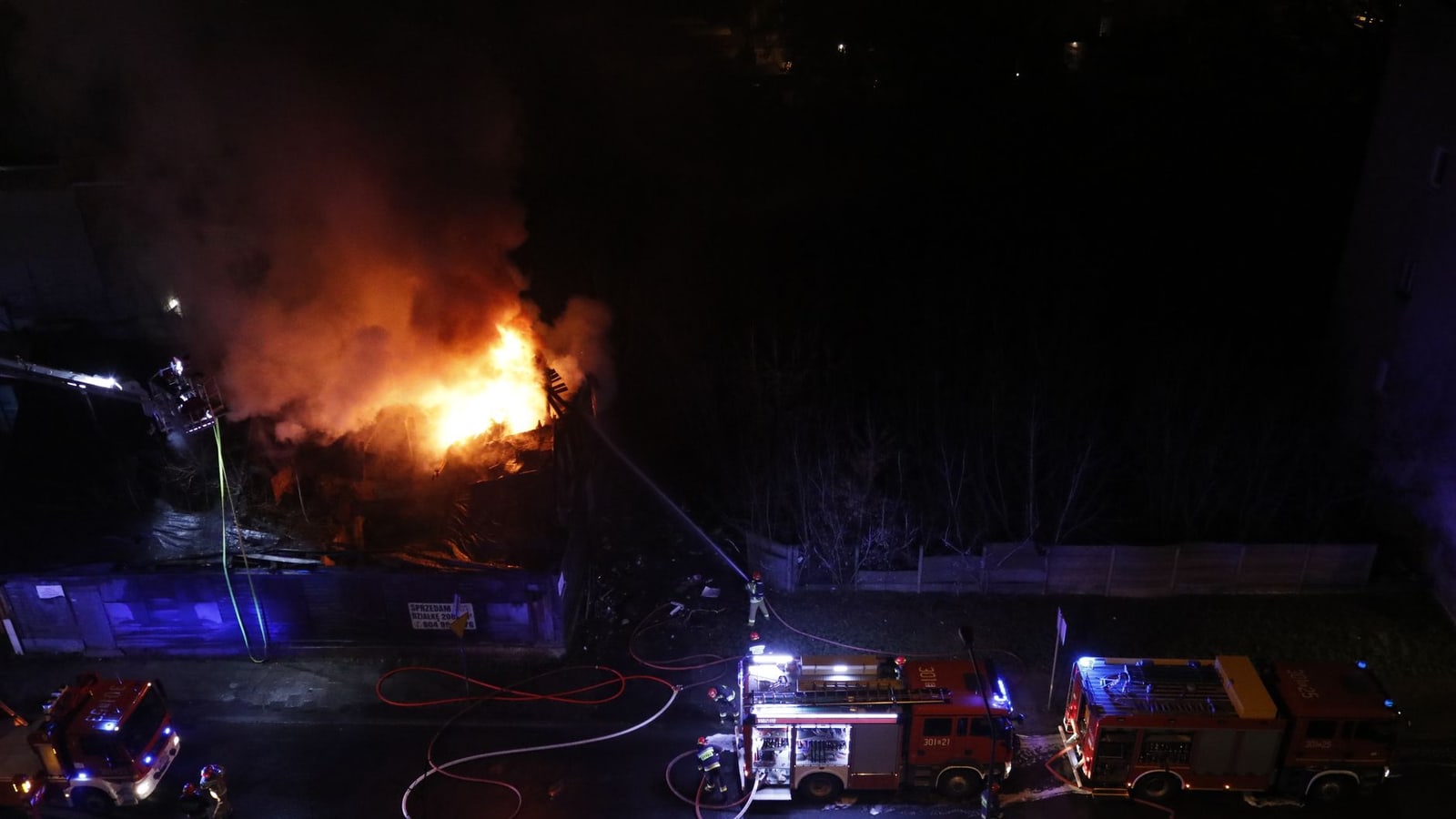
A wildfire that began near Baelen on 14 August has burned about 3,000 hectares of the High Fens, forced hundreds of residents to evacuate and become one of Belgium’s largest recorded wildfires.
The fire threatens residents and emergency workers immediately, while damage to ancient peat, protected habitats and stored carbon will outlast the visible flames. Its unprecedented scale also tests whether Belgian land management and firefighting capacity match a growing wildfire risk.
Updated 18 August 2026, 10:00 CEST — A wildfire that started near Baelen in Liège province on Friday, 14 August, has burned about 3,000 hectares of the High Fens and remained uncontrolled at the latest verified operational update on Monday. The Associated Press reported that rain and cooler weather had slowed the flames, while firefighters continued working around peatland and pine forest roughly eight kilometres from Germany.
About 600 residents of Waimes and Bütgenbach were instructed to leave on Saturday as shifting winds carried fire and smoke towards inhabited areas, according to AP. Liège governor Hervé Jamar said more than 250 emergency personnel were deployed, including Belgian and German firefighters, police officers, soldiers and civil-protection teams. No death has been reported in the verified sources reviewed for this article.
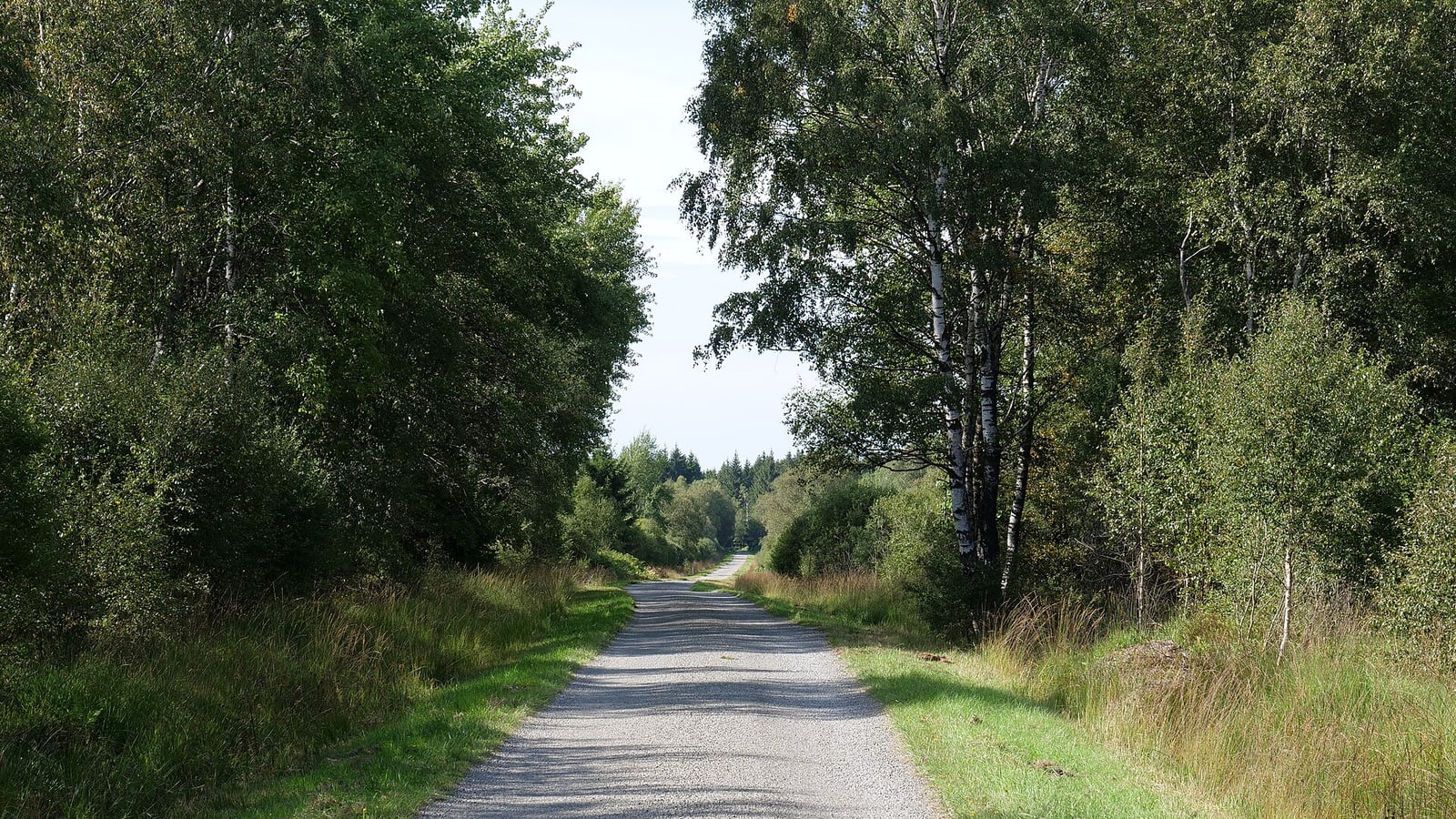
The scale of the damage reflects more than the exceptional drought. The High Fens contain peat formed from partially decomposed vegetation over thousands of years. AP cited a forest ranger who warned that fire can continue underground in this material for months and later return to the surface. Peat also stores carbon and supports specialised habitats, making losses harder to reverse than damage from an ordinary surface fire.
The landscape’s planting history added another layer of vulnerability. An official East Belgium tourism publication says large areas of open peatland were planted with spruce from the Prussian period beginning around 1840; conifers now account for about 90% of the wooded area. Dense, dry plantations give flames vertically connected fuel, while historic drainage for forestry dries the peat beneath them. That combination explains why the fire became a catastrophe once it entered woodland.
The forestry legacy is now under scrutiny. Ecologists quoted by Het Nieuwsblad argue that commercial forestry should not take place on peat soils because drainage damages the ecosystem and raises fire risk. The opposing practical consideration is that spruce plantations have long supplied timber to sawmills, paper producers and panel manufacturers, according to the East Belgium publication. Restoring open, wet peatland therefore requires long-term land-use choices rather than emergency repairs alone.
Wallonia’s environment administration says the High Fens become especially vulnerable when vegetation is dry and weather conditions are unfavourable. It recorded the previous Walloon benchmark fire there in April 2011, when 1,200 hectares burned. Authorities must now extinguish underground hotspots, assess damage to peat and protected habitats, determine the ignition source and decide where rewetting or forest conversion should begin. Public access restrictions remain the immediate practical concern; visitors should avoid the affected zone and follow official instructions.
Impact
Regional — Eastern Liège province faces closed roads and nature areas, smoke exposure, disruption to tourism and a lengthy ecological recovery. Communities near the German border remain directly affected by emergency measures.
Local — Road and nature-area closures, evacuations and smoke have disrupted daily life and tourism across eastern Liège province. Residents should rely on municipal and provincial instructions before returning or travelling.
International — German firefighters joined the response as the fire approached the border. The disaster forms part of a wider European season of fires driven by extreme heat, drought and dry vegetation.
What it means for you
Do not enter closed sections of the High Fens, keep emergency routes clear, close windows when smoke causes discomfort and call 112 only for an immediate emergency or a newly observed fire.
Opposing perspectives
- Peatland ecologists and restoration specialists
Ecologists cited by Het Nieuwsblad argue that forestry should be excluded from peat soils because plantations and their drainage systems degrade bog habitat, reduce water retention and leave deep organic layers vulnerable during prolonged drought.
- Forestry and timber-sector interests
Commercial forestry has formed part of the regional economy for generations. An official East Belgium publication says the conifer stands supply sawmills, paper production and panel manufacturing, so conversion to open peatland entails economic and land-management trade-offs.
Sources & evidence
- View sourceHet NieuwsbladPrimaryprimary· nieuwsblad.be· 18 August 2026Retrieved 18 August 2026· 45 days ago· Dated
- View sourceAssociated Press — Belgian wildfire approaches Germanycorroborating· apnews.com· 17 August 2026Retrieved 18 August 2026· 46 days ago· Dated
- View sourceAssociated Press — Firefighters battle wildfires in Belgium and Greececorroborating· apnews.com· 16 August 2026Retrieved 18 August 2026· 47 days ago· Dated
- View sourceService public de Wallonie — High Fens fire instructionsofficial· environnement.wallonie.be· 15 August 2026Retrieved 18 August 2026· 48 days ago· Dated
Related topics
How this story developed
5 reports on this subject — earliest first. You are reading the highlighted entry.
- Belgium’s largest recorded wildfire forces evacuations in the High Fens
- Peat and pine plantations turned the High Fens fire into a national catastrophe· You are here
- High Fens wildfire forces hundreds from homes as crews hold eastern front
- Sourbrodt residents return home as High Fens fire leaves severe ecological damage
- High Fens fire controlled as smoke and hidden hotspots persist
Related to this story
Pulse Insight — This topic connects to 10 associations and 3 funding programmes through the Wallonia ecosystem.
Live connections from the Belgium Impulse ecosystem — not recommendations.
This briefing was prepared with AI assistance and reviewed by a Belgium Impulse editor before publication. methodology.