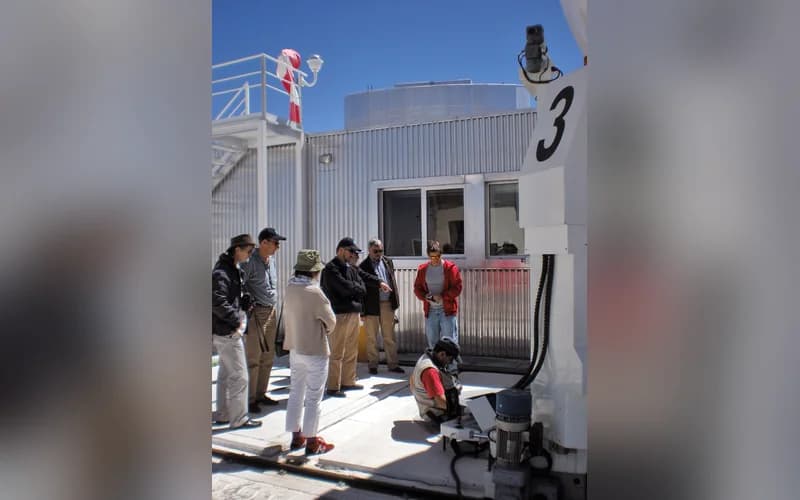
What do Liège’s nine new honorary citizens say about the city?
Liège named nine new honorary citizens at its City Hall on 14 August 2026 and included a posthumous tribute to former Forum director Simon Bouazza, bringing the ceremony to ten distinctions spanning resistance, research, culture, business, journalism, sport and craftsmanship.
The selection is a public statement about the achievements Liège wants associated with its identity: historical memory, research, cultural production, entrepreneurship, skilled craft, journalism, sport and youth participation. Several recipients also connect the city to wider Belgian and European cultural, academic and commercial networks.
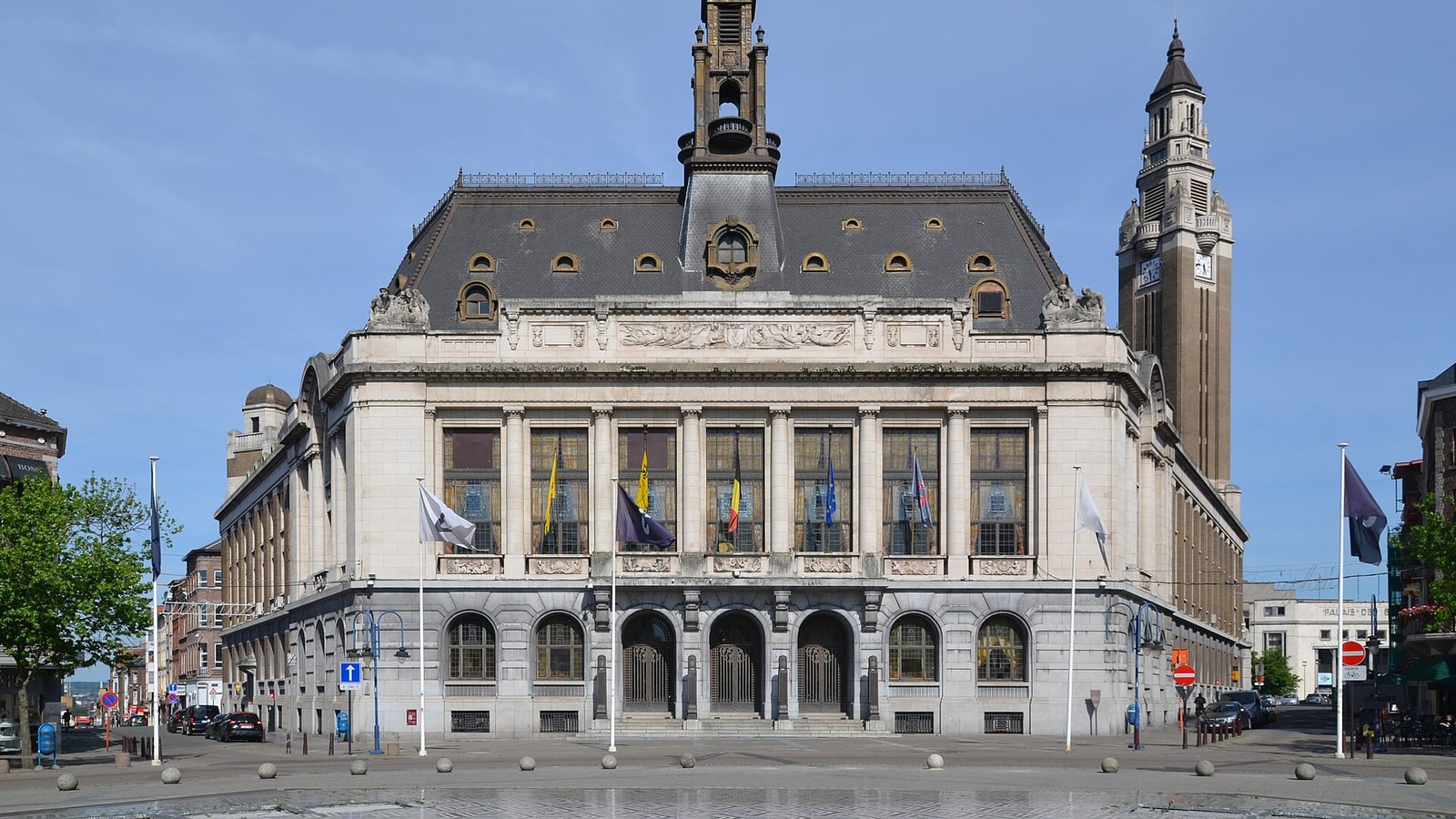
The honoured nine new citizens at City Hall on 14 August 2026, opening the annual 15-August festivities with a distinctly Belgian portrait of how a Walloon city projects itself beyond its borders. A tenth distinction recognised , the late director of the , whose honorary title had already been awarded posthumously in February.
That distinction matters because the ceremony was more than a parade of familiar names. placed a wartime resistance veteran alongside university researchers, an entrepreneur, a festival director, a journalist, a jeweller, an equestrian organiser and a community artist. For residents, it offered a concise statement of what the municipal authorities consider public achievement: service, endurance and the ability to carry the city’s name into wider Belgian and international networks.
The nine newly honoured personalities were Robert Chot, Véronique Piron, Eugène Mathy, Jennifer Wuilquot, Luc De Man, , , Emmanuel Mewissen and Dominique Demoulin. Local broadcaster QU4TRE reported that the city presented ten distinctions during the ceremony when Bouazza’s posthumous honour was included; his daughter Léa represented him. This resolves the apparent discrepancy with La DH’s reference to nine new personalities: nine received new recognition in the August group, while Bouazza’s title dated from 11 February, according to the .
Chot, born in in 1923, joined the Resistance in 1942 and later served with the 6th Battalion of Fusiliers during the liberation of Europe, according to the local publication #Liégeois. His inclusion gives the group its strongest historical weight at a moment when direct witnesses to the Second World War are disappearing.
The other recipients describe a city whose influence increasingly travels through institutions and specialised networks. Piron leads a jewellery house founded in central in 1875. Mathy founded the Jumping International de Liège and became an internationally recognised equestrian course designer. Wuilquot, who joined in 2008 and became its general director in 2025, now leads a festival with a national profile, #Liégeois reported.
De Man was recognised with young people supported by the non-profit for a monumental work in Belgian blue stone near La Belle Liégeoise. Demoulin’s distinction reflects her career in Belgian television journalism, while Mewissen was honoured for building the -based and businesses in digital entertainment and gaming across European markets.
The clearest institutional connection beyond Belgium comes through Fagnart and Tullio Cataldo. The says their research examines Renaissance art, Leonardo da Vinci and the movement of ideas and artworks between Italy, France and the former Low Countries. Fagnart is an research director, while Tullio Cataldo has worked with institutions including the Louvre and the École du Louvre. Their selection shows how a municipal honour can recognise scholarship that is locally anchored but European in subject and reach; no EU institution was directly involved in choosing or presenting the awards.
The city describes honorary citizenship as recognition for people whose careers, actions or achievements contribute to ’s development or reputation. That celebratory framing is not the only possible view of such titles. DéFi’s Liège organisation argued during a separate controversy involving honorary citizen Patrick Bruel that municipal honours send a political signal about the values a city endorses. QU4TRE reported in May that Mayor temporarily withdrew Bruel’s title while serious allegations were under investigation, with the presumption of innocence maintained. The episode illustrates why honorary status is both civic gratitude and a continuing reputational judgement.
has awarded these titles around the 15-August celebrations for years, tying contemporary achievement to one of the city’s most visible popular traditions. The 2026 group broadens that civic story: memory sits beside commerce, scholarship, youth work and entertainment, while several recipients connect Liège to audiences and institutions elsewhere in Belgium and Europe.
The immediate ceremony is complete and the titles carry no reported executive powers or financial benefits. What follows is largely symbolic: the recipients become public representatives of ’s chosen identity. The question for future editions will be how the city balances prominence with less visible forms of service, and how transparently it explains the standards behind an honour that speaks in the name of all Liégeois.
Impact
Regional — The distinctions reinforce Liège’s regional profile as a centre of culture, higher education, festivals, enterprise and historical memory in Wallonia, while giving local institutions and communities new symbolic ambassadors.
Local — For Liège residents, the awards elevate people and institutions associated with the city’s cultural venues, university research, festivals, youth work, enterprise, journalism, sport and skilled crafts. The City Hall ceremony also linked municipal recognition to the local 15 August festivities. The recipients now serve as symbolic representatives of Liège, while organisations including ULiège, the Forum, Les Ardentes, Clic Jeunes, Gaming1 and Groupe Ardent gain additional public visibility through their connections to the honourees.
What it means for you
The honours do not create new legal rights, fees, deadlines or public-service changes for residents. Readers can consult the City of Liège’s official 2026 honorary-citizens page for the municipal record and the University of Liège’s coverage for details about Laure Fagnart and Stefania Tullio Cataldo. The key date is 14 August 2026, when the City Hall ceremony took place. Anyone comparing reports should note that “nine new personalities” and “ten distinctions” are compatible counts because Simon Bouazza’s posthumous award was included separately.
Opposing perspectives
- City of Liège’s civic-recognition view
The municipal authorities frame honorary citizenship as recognition for people whose personal actions, careers, achievements or performances contribute to Liège’s development or reputation. On this reading, the breadth of the 2026 group is deliberate: it presents public service, culture, research, enterprise and historical memory as complementary parts of the city’s identity.
- DéFi Liège’s accountability view
In the separate Patrick Bruel controversy, DéFi Liège argued that honouring someone sends a political signal about the values a city endorses. That perspective treats honorary citizenship not merely as ceremonial gratitude but as a continuing public judgement, requiring scrutiny of selection criteria and the city’s response when later events affect a recipient’s standing.
Who, where and what
Key people, places and terms in this story
Walloon city that conferred the honorary citizenship distinctions.
Belgian region in which Liège is located and the article’s regional focus.
Mayor of Liège involved in the City Hall ceremony.
Former Forum director whose earlier posthumous award brought the total to ten distinctions.
University of Liège researcher honoured for work connected with Renaissance art and Leonardo da Vinci.
Show the full library (15)
Mayor of Liège involved in the City Hall ceremony.
Former Forum director whose earlier posthumous award brought the total to ten distinctions.
University of Liège researcher honoured for work connected with Renaissance art and Leonardo da Vinci.
University of Liège researcher honoured for work connected with Renaissance art and Leonardo da Vinci.
Walloon city that conferred the honorary citizenship distinctions.
Belgian region in which Liège is located and the article’s regional focus.
Venue of the honorary-citizens ceremony on 14 August 2026.
Municipal authority responsible for awarding honorary citizenship.
University associated with honourees Laure Fagnart and Stefania Tullio Cataldo.
Research-funding institution connected to the 2026 honorary-citizens group.
Liège festival organisation connected to the group of honourees.
Youth organisation connected to the 2026 distinctions.
Gaming company connected to the people and institutions represented in the ceremony.
Business group connected to the 2026 honorary-citizens group.
Liège cultural venue formerly directed by Simon Bouazza.
Sources & evidence
- View sourceLa DH/Les Sports+Primaryprimary· dhnet.be· 16 August 2026Retrieved 25 August 2026· 47 days ago· Dated
- View sourceCity of Liègeofficial· liege.be· 11 February 2026Retrieved 25 August 2026· 233 days ago· Dated
- View sourceQU4TREcorroborating· qu4tre.be· 14 August 2026Retrieved 25 August 2026· 49 days ago· Dated
- View sourceUniversity of Liègeofficial· news.uliege.be· 14 August 2026Retrieved 25 August 2026· 49 days ago· Dated
Related topics
Related to this story
Pulse Insight — This topic connects to 10 associations and 3 funding programmes through the Wallonia ecosystem.
Live connections from the Belgium Impulse ecosystem — not recommendations.
This briefing was prepared with AI assistance and reviewed by a Belgium Impulse editor before publication. methodology.