Did Balagan World’s canal-side open air signal a bigger future for house music in Brussels?
Balagan World staged its second Brussels open-air event at Heembeekkaai on 29 August, programming nine hours of house music and preparing for an estimated 5,000 festivalgoers. The confirmed attendance has not yet been published, but the event placed an industrial stretch of the Port of Brussels within the capital’s expanding summer dance-music circuit.
The event tested whether a relatively remote industrial waterfront can support a 5,000-person cultural gathering while giving Brussels-based house artists space alongside international names. For festivalgoers, it also illustrates why transport planning, ticket conditions and hearing protection matter at large urban open airs.
staged its second open-air event at on Saturday 29 August, with house music scheduled from 15:00 until midnight and capacity planned around an estimated 5,000 festivalgoers. For anyone attending similar canal-side events, the practical lesson is straightforward: check the organiser’s final transport and admission notices, verify whether an early-entry ticket has a deadline, and carry proper hearing protection. Neither the organisers nor the had published a verified final attendance figure by 31 August.
The event was the largest production yet announced by , a project founded by friends and . BRUZZ reported before the festival that the pair were moving to a larger scale after an inaugural Brussels open air near Silo the previous summer. This second edition shifted the action to , or Quai de Heembeek in French, on the northern canal in , within the municipality.
The bill connected international house names with performers from the Belgian scene. Ticketing platform Xceed listed French producer and Detroit-born DJ alongside Chicago house figure . producer and resident completed the programme. The published timetable ran from Rozental’s opening set at 15:00 to Folamour’s closing slot between 22:00 and midnight.
That sequence matters more than the raw crowd estimate. It presented local artists as part of the same musical continuum as established international selectors, rather than treating them as a separate Belgian add-on. House music emerged from Black and Latino club culture in Chicago during the 1980s and subsequently developed into an international family of styles. The Balagan programme moved across house, tech house, soul, funk and groove, according to the event listing, while retaining the long-form DJ sets that distinguish a dance gathering from a short succession of pop performances.
### A new use for the canal edge
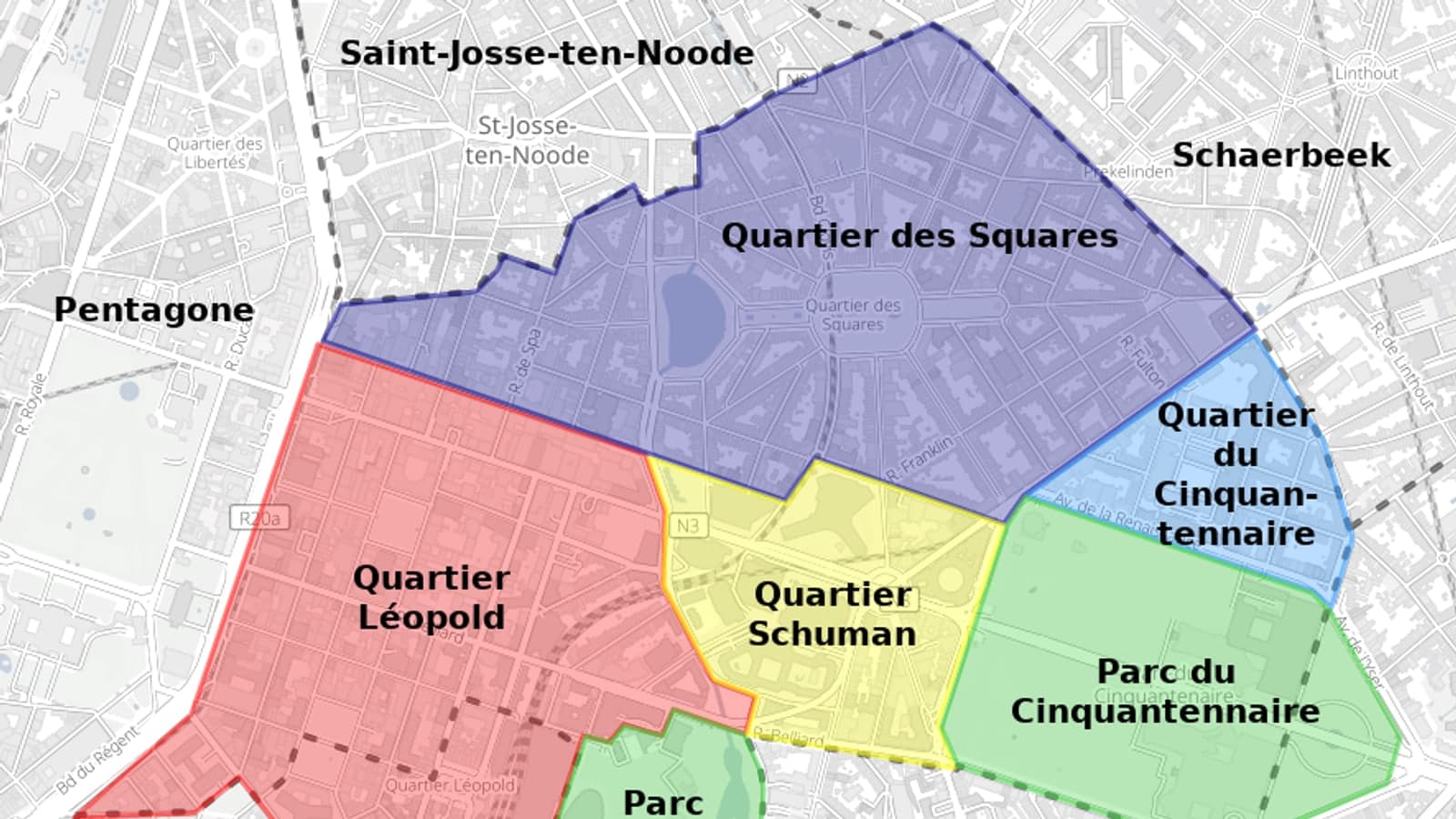
supplied a markedly different setting from the historic centre’s squares or the established clubs around central . described the waterfront’s industrial character as part of the attraction. The choice also fits a broader pattern in the capital: promoters increasingly use rooftops, parks, former industrial sites and prominent public spaces to bring electronic music into daylight and connect it with the city itself.
The ’ official agenda listed the event in both Dutch and French, reflecting the administration’s bilingual obligations. Visitors searching municipal information should therefore recognise both “” and “Quai de Heembeek”; either name refers to the same location in postcode 1120. The City’s listing confirmed the date, place and operating hours but did not provide a post-event crowd count or assessment.
For newcomers, it is also worth distinguishing the — one of the region’s 19 communes or gemeenten — from the -Capital Region. Public-space permission is handled by the relevant municipality, while regional bodies set or administer some environmental rules. The City says activities in its streets, squares and parks require prior authorisation. Applications for major events of more than 500 people normally need to arrive at least three months in advance, and organisers may be asked for additional safety and logistical documents.
A City Council agenda from May recorded a private-security item for , indicating that municipal authorities had considered the event’s security arrangements. It does not, on its own, disclose the complete operational plan or establish how many people ultimately entered.
### What festivalgoers should check
Admission conditions can differ even within one event. Xceed advertised regular, VIP, early-entry and parking products. Its listing warned that early-entry tickets were valid only for arrival before 16:30, while the designated parking option was at Chaussée de Vilvorde 46. Those details belonged to the 2026 edition and should not be assumed for a future Balagan event; ticket holders should always use the organiser’s live page rather than an archived calendar entry.
Language is unlikely to be a barrier at a music festival in , but practical notices may appear first in French or Dutch. Useful equivalents include entrée/ingang for entrance, sortie/uitgang for exit and consigne/bewaarplaats for a cloakroom or storage point. International visitors should keep the ticket QR code available offline and retain any organiser message that specifies an admission window.
Hearing protection deserves equal attention. , the regional environmental authority known as Leefmilieu Brussel in Dutch and Bruxelles Environnement in French, sets three regulatory thresholds for electronically amplified sound. Its current guidance states that 85 dB(A), averaged over 15 minutes, is the general ceiling without special conditions. Higher categories trigger measures that can include sound-level information, monitoring, CE-certified earplugs and a hearing-rest area below 85 dB(A). The exact obligations depend on the authorised sound category, so the existence of a festival does not reveal which limit applied there.
For visitors, reusable music earplugs are a sensible default even where free plugs are available. Take breaks away from the speakers, do not stand continuously beside a sound stack and seek medical advice if ringing or dulled hearing persists. For organisers, the regional guidance and the relevant commune or gemeente — not a generic federal form — are the appropriate starting points for permits and amplified-sound rules.
### Celebration and coexistence
Promoters and house fans see outdoor events as a way to broaden ’ cultural offer, give local DJs a larger platform and activate places that many residents encounter mainly as working infrastructure. The Heembeek site let frame the canal not merely as a backdrop but as part of its identity as a Brussels-based, internationally connected collective.
Residents and environmental regulators have a different but compatible priority: major outdoor events must protect sleep, public space and hearing. has previously seen legal and political disputes over exemptions from neighbourhood-noise rules at unrelated events. No sourced report reviewed for this article established that Balagan’s edition generated complaints or breached a limit, so that wider debate should not be misrepresented as a specific allegation against the organisers.
The unresolved question is whether the estimated 5,000-person scale was reached and how the site performed in practice. A final attendance figure, any municipal evaluation and the organisers’ next date have not been published. Those details will show whether was a one-off experiment or the beginning of a recurring northern anchor for the capital’s open-air house season.
Impact
Regional — The event added Neder-Over-Heembeek and the northern canal zone to Brussels’ summer electronic-music map. Its longer-term local value will depend on verified attendance, neighbourhood impact and whether organisers or the City reuse the site.
Local — The event placed Heembeekkaai, Neder-Over-Heembeek and the northern Port of Brussels zone on the capital’s summer electronic-music map. Locally, the key test was whether an industrial waterfront could accommodate a cultural gathering prepared for around 5,000 people. Its lasting significance for the area remains unproven: final attendance has not been released, and there is no confirmed information on neighbourhood impact or another edition at the site. Those details will determine whether this was a one-off or a repeatable local venue model.
What it means for you
The 29 August event has already taken place, so readers assessing its success should treat the 5,000 figure as planned attendance, not a confirmed turnout, until organisers or the City publish a final number. For future large Brussels open airs, check the venue’s accessibility and return transport before buying, particularly when the site is outside the central nightlife area. Read ticket conditions for entry and refund rules, and bring suitable hearing protection. Electronically amplified events are subject to Brussels Environment’s tiered sound rules, but that does not eliminate personal hearing risk during a nine-hour programme.
Opposing perspectives
- Promoters and electronic-music audiences
Balagan World and supporters of open-air club culture present waterfront events as a way to enlarge Brussels’ cultural offer, connect local performers with international artists and give underused urban locations a more public identity.
- Residents and environmental regulators
People living near outdoor venues and Brussels environmental authorities prioritise limits on neighbourhood disturbance, hearing protection and accountable use of public space. No reviewed source established a complaint or violation involving this Balagan event specifically.
Who, where and what
Key people, places and terms in this story
City and regional setting for the event and its nightlife circuit.
Co-founder of Balagan World.
Co-founder of Balagan World.
International house artist on the event bill.
International house artist on the event bill.
Show the full library (15)
Co-founder of Balagan World.
Co-founder of Balagan World.
International house artist on the event bill.
International house artist on the event bill.
International house artist on the event bill.
Brussels producer featured on the event bill.
Balagan World resident DJ featured on the event bill.
City and regional setting for the event and its nightlife circuit.
Canal-side venue for the 2026 open air.
Brussels locality containing the event site.
House-music event held at Heembeekkaai on 29 August 2026.
Brussels-rooted electronic-music project that organised the open-air event.
Port authority associated with the industrial waterfront zone where the event took place.
Municipal authority that listed the event and sets procedures for organising events in public space.
Regional authority responsible for rules governing electronically amplified sound.
Sources & evidence
- View sourceHet NieuwsbladPrimaryprimary· nieuwsblad.be· 27 August 2026Retrieved 31 August 2026· 36 days ago· Dated
- View sourceBRUZZcorroborating· bruzz.be· 3 August 2026Retrieved 31 August 2026· 60 days ago· Dated
- View sourceCity of Brusselsofficial· brussel.beRetrieved 31 August 2026
- View sourceCity of Brussels — organising an event in public spaceofficial· brussels.beRetrieved 31 August 2026
Related topics
Related to this story
Pulse Insight — This topic connects to 10 associations and 1 funding programme through the Brussels ecosystem.
Live connections from the Belgium Impulse ecosystem — not recommendations.
This briefing was prepared with AI assistance and reviewed by a Belgium Impulse editor before publication. methodology.