High Fens wildfire forces hundreds from homes as crews hold eastern front
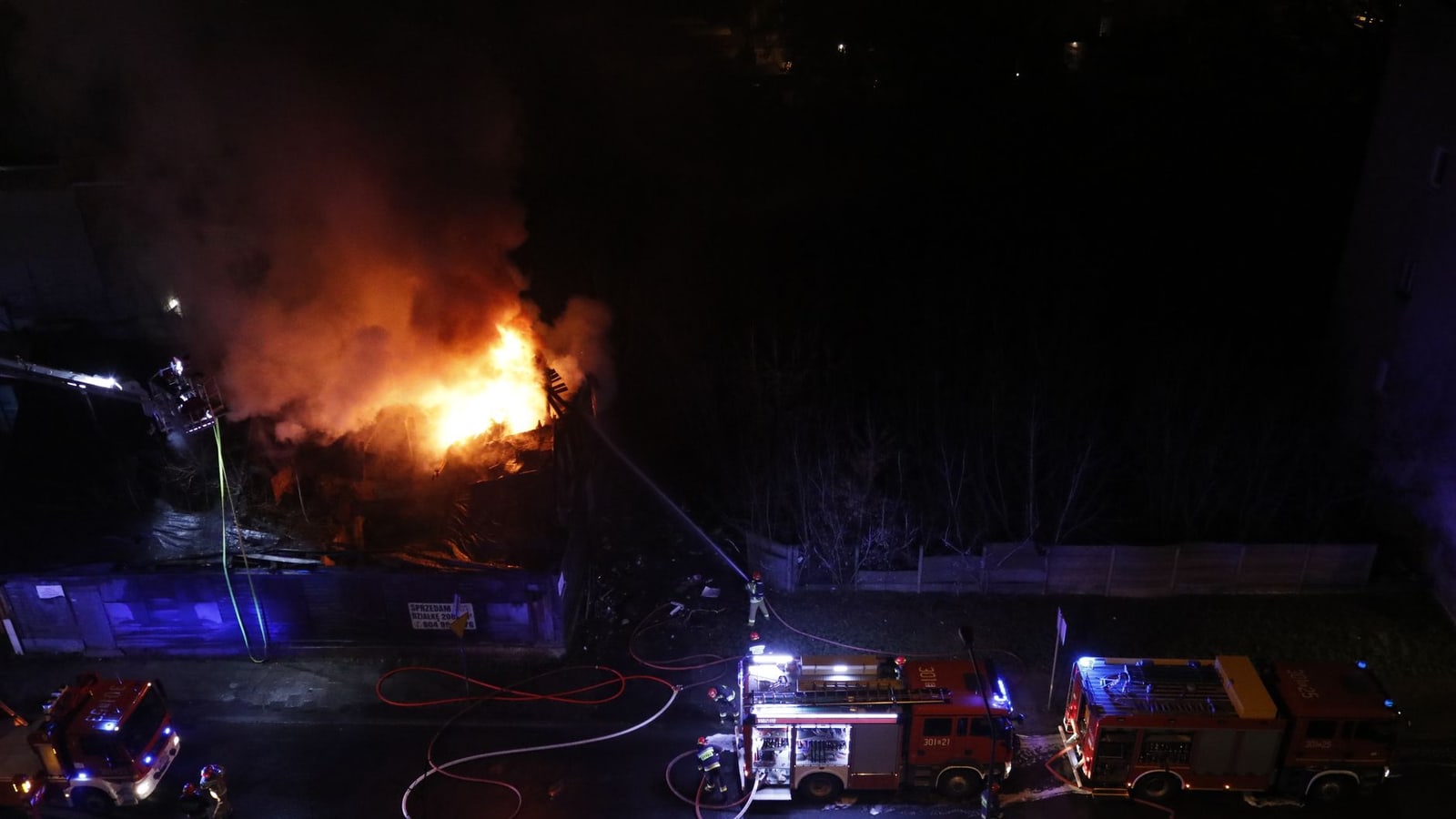
Belgian and international crews halted the High Fens wildfire’s advance towards Germany on Monday, but authorities said the roughly 3,000-hectare blaze was not yet contained and evacuated residents should stay away.
The fire has displaced hundreds of people, threatened farms and livestock, required international assistance and damaged one of Belgium’s most important protected landscapes. Persistent peat hotspots mean the emergency will continue after visible flames subside.
Updated 18 August 2026, 08:00 CEST — SOURBRODT, Belgium. Belgian and international crews stopped the High Fens wildfire from advancing towards Germany on Monday, 17 August, but the fire remained uncontained after burning roughly 3,000 hectares since Friday, according to crisis-cell spokesman Tony Hosmans and reporting by AP and Reuters.
Rain and cooler conditions gave hundreds of responders some relief on Monday. AP reported that the fire had entered pine woodland east of the peatland reserve and remained capable of changing direction. King Philippe interrupted his holiday to visit emergency personnel near Sourbrodt, around eight kilometres from the German border.
The danger reached well beyond the fire line. Liège provincial governor Hervé Jamar said more than 250 emergency personnel had been deployed by Sunday, including Belgian and German firefighters, police, military personnel and Civil Protection teams. AP reported that about 600 residents in Waimes and Bütgenbach had been ordered to leave on Saturday after shifting winds carried smoke towards inhabited areas.
HLN spoke to José, 79, and Kerstin, 61, among residents who left their homes as the fire approached. Kerstin described her husband entering woodland to look for their cattle and said the family would not leave the animals behind. Their account illustrates a recurring difficulty in rural evacuations: livestock cannot always be moved as quickly as people, even when smoke and flames make remaining dangerous.
The blaze has already surpassed the April 2011 High Fens fire, previously described by Wallonia’s public administration as the region’s largest recorded wildfire. The affected landscape includes peat, heath and woodland. AP cited a forest ranger warning that fire can continue smouldering underground in peat and flare again for months.
European assistance forms part of the response. Reuters reported that the EU sent two water-bombing aircraft and three helicopters after Belgium requested help, while neighbouring countries supplied additional crews and equipment.
Authorities have not announced the cause. Evacuated residents should wait for official permission before returning, in line with guidance from Belgium’s National Crisis Centre. Crews will continue watching the perimeter and underground hotspots; the next decisive information will be whether officials can declare the fire contained and begin assessing damage to homes, farms and protected habitats.
Impact
Regional — Waimes and Bütgenbach bore the immediate impact through evacuations, smoke and restrictions. Farms near the perimeter faced the added difficulty of locating and moving livestock.
Local — Evacuated households remained separated from homes, farms and animals, while road and nature-area restrictions limited access around the High Fens.
International — German firefighters and other foreign assets assisted Belgium, while smoke and the advancing fire prompted concern near the German border. EU assistance included firefighting aircraft and helicopters, according to Reuters.
What it means for you
People must avoid the fire zone, follow municipal evacuation instructions and not return without authorisation. Anyone encountering a forest fire should move away from smoke and flames, reach a road or paved area and call 112 with a precise location.
Opposing perspectives
- Emergency authorities
Liège provincial authorities maintained evacuation and access restrictions because smoke, shifting winds and underground peat hotspots continued to present risks even where the visible fire front had stopped advancing.
- Livestock-owning residents
Residents responsible for cattle and other animals faced pressure to locate, feed or move them before leaving. HLN’s interviews show why rural households can struggle to comply immediately, although their predicament does not override official evacuation orders.
Sources & evidence
- View sourceHet Laatste NieuwsPrimaryprimary· hln.be· 17 August 2026Retrieved 18 August 2026· 46 days ago· Dated
- View sourceAssociated Press — Belgian wildfire approaches Germanycorroborating· apnews.com· 17 August 2026Retrieved 18 August 2026· 46 days ago· Dated
- View sourceAssociated Press — Firefighters battle wildfires in Belgium and Greececorroborating· apnews.com· 16 August 2026Retrieved 18 August 2026· 47 days ago· Dated
- View sourceWallonia Public Service — Wildfire prevention guidanceofficial· wallonie.be· 30 July 2026Retrieved 18 August 2026· 64 days ago· Dated
How this story developed
5 reports on this subject — earliest first. You are reading the highlighted entry.
- Belgium’s largest recorded wildfire forces evacuations in the High Fens
- Peat and pine plantations turned the High Fens fire into a national catastrophe
- High Fens wildfire forces hundreds from homes as crews hold eastern front· You are here
- Sourbrodt residents return home as High Fens fire leaves severe ecological damage
- High Fens fire controlled as smoke and hidden hotspots persist
Related to this story

Pulse Insight — This topic connects to 10 associations and 3 funding programmes through the Wallonia ecosystem.
Live connections from the Belgium Impulse ecosystem — not recommendations.
This briefing was prepared with AI assistance and reviewed by a Belgium Impulse editor before publication. methodology.