Sourbrodt residents return home as High Fens fire leaves severe ecological damage
Residents evacuated from Sourbrodt were allowed to return home on Monday, 17 August, while emergency crews continued monitoring the vast High Fens wildfire and scientists began assessing extensive damage to peatland, wildlife and restored habitats.
The return order removes the immediate disruption for residents, but the disaster has damaged one of Belgium’s most valuable ecosystems. Peat fires can continue underground, and destroyed peatland, wildlife habitat and restoration infrastructure recover far more slowly than ordinary vegetation.
Updated: 17 August 2026. Authorities allowed evacuated residents of Sourbrodt, in the municipality of Waimes, to return home on Monday as emergency services continued securing the High Fens after a wildfire that began on Friday, De Morgen reported. The return order confirms that the immediate danger to the village has eased, but crews remain alert because peat can keep burning below ground after visible flames subside.
The fire spread through protected heath, forest and peatland during exceptionally dry conditions. Its final extent and the precise share of the nature reserve affected have not yet been established through a completed field survey. De Morgen reported that the destruction of fauna and flora was considered catastrophic by people responsible for the area, with restoration work effectively forced back to its starting point.
Laurane Winandy, director of the University of Liège’s High Fens scientific station, told RTBF that rare peat bogs, sensitive habitats and years of ecological restoration had been damaged. Amphibians, reptiles and insects face particularly heavy losses because many shelter in the soil, while larger animals that escaped will return to radically altered habitats, according to her assessment. Two of the reserve’s three active raised bogs were reported to have been touched, although detailed mapping is still required.
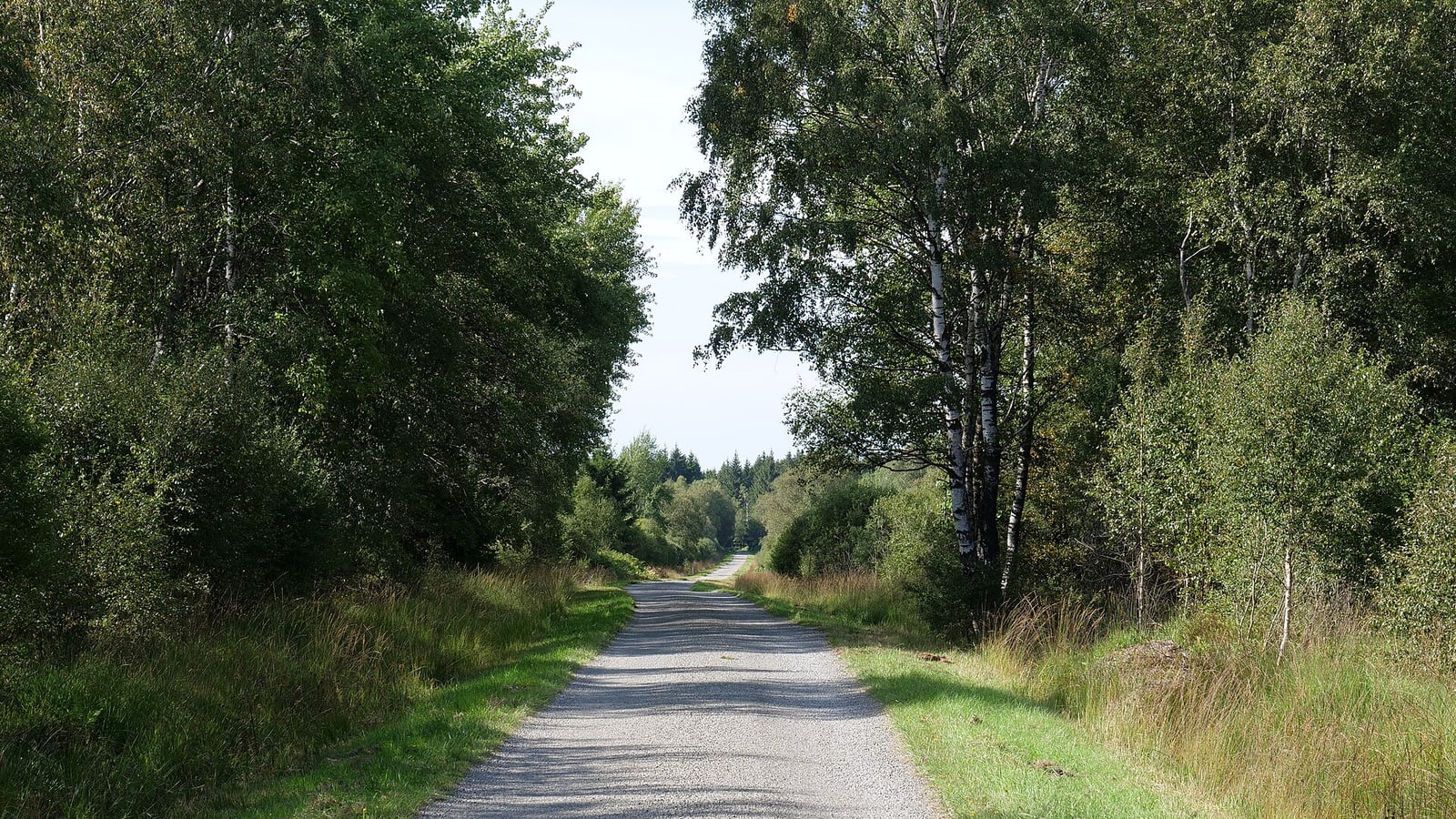
The scale matters beyond the blackened landscape. The East Belgium tourism agency describes the High Fens as Wallonia’s oldest nature reserve, protecting about 5,000 hectares of open moor and peatland. Its peat began forming after the last ice age and grows extremely slowly. Burning therefore destroys ecological structures that cannot be recreated on a normal policy or funding timetable.
Access restrictions remain important. Official visitor guidance says red flags close designated sections of the reserve and that entering them can lead to a €250 fine. The tourism authority also warns that prolonged drought can ignite both surface vegetation and peat below it.
Residents can resume daily life, but the nature reserve has not returned to normal. Visitors should check official route information, respect every closure and avoid the affected area. Firefighters will watch for underground hot spots, while scientists and Walloon land managers must map the damage before deciding where restoration remains possible. The cause of the fire and a definitive damage total remain unconfirmed.
Impact
Regional — The fire affects residents, tourism operators, nature managers and visitors across Waimes and the wider East Belgium and Liège province area. Some activities have been cancelled and parts of the reserve remain inaccessible.
Local — Residents may return to Sourbrodt, but closures, cancelled outdoor events and emergency operations continue to affect the surrounding area.
International — The response drew cross-border assistance, reflecting the High Fens’ position near Germany and the role of European cooperation in handling large wildfires.
What it means for you
Residents can return home. Visitors should avoid the fire zone, consult official route information before travelling and obey red flags and all instructions from emergency services.
Sources & evidence
- View sourceDe MorgenPrimaryprimary· demorgen.be· 17 August 2026Retrieved 17 August 2026· 46 days ago· Dated
- View sourceRTBFcorroborating· rtbf.be· 17 August 2026Retrieved 17 August 2026· 46 days ago· Dated
- View sourceEast Belgium Tourism Agencyofficial· ostbelgien.euRetrieved 17 August 2026
- View sourceEast Belgium Tourism Agencyofficial· ostbelgien.eu· 13 May 2025Retrieved 17 August 2026· 507 days ago· Dated
How this story developed
5 reports on this subject — earliest first. You are reading the highlighted entry.
- Belgium’s largest recorded wildfire forces evacuations in the High Fens
- Peat and pine plantations turned the High Fens fire into a national catastrophe
- High Fens wildfire forces hundreds from homes as crews hold eastern front
- Sourbrodt residents return home as High Fens fire leaves severe ecological damage· You are here
- High Fens fire controlled as smoke and hidden hotspots persist
Related to this story

Pulse Insight — This topic connects to 10 associations and 3 funding programmes through the Wallonia ecosystem.
Live connections from the Belgium Impulse ecosystem — not recommendations.
This briefing was prepared with AI assistance and reviewed by a Belgium Impulse editor before publication. methodology.