Why are children who are not ill living in a Belgian hospital?
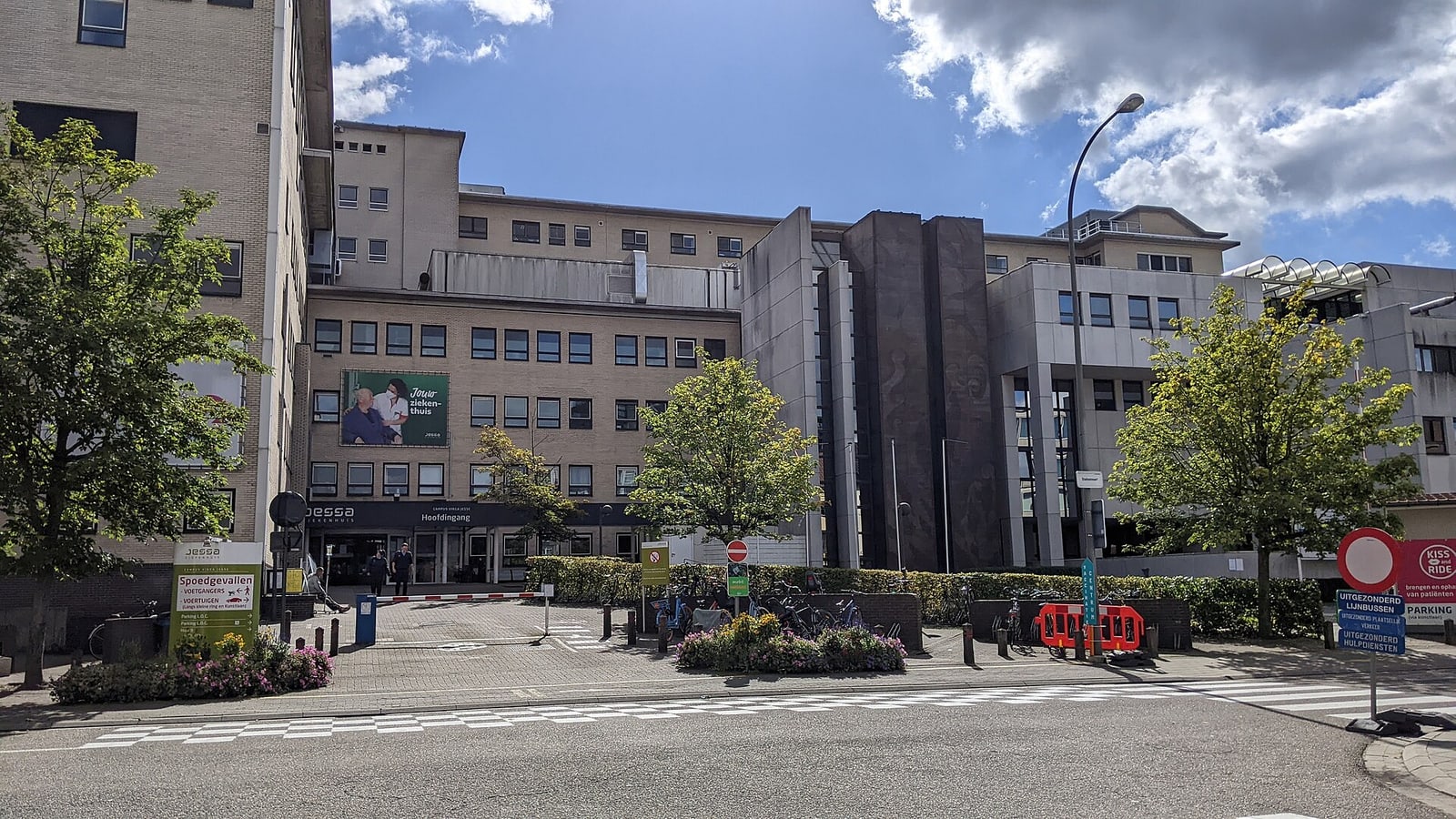
Two very young siblings removed from their family are staying in the paediatric ward of CHU UCL Namur’s Sainte-Elisabeth site because no suitable child-protection placement is available. The practical lesson for families and witnesses is to contact the correct community service—SAJ or SOS Enfants in French-speaking Belgium, 1712 in Flanders—and call 101 or 112 when a child faces immediate danger.
Very young children need stable relationships and ordinary developmental routines, while hospitals need paediatric beds and staff for patients requiring medical care. When placement shortages prolong hospital stays, children, clinicians and the youth-aid system all bear consequences that a medical ward was not designed to manage.
Two very young siblings removed from their family are living in the paediatric ward of ’s site in August 2026 because the French-speaking child-protection system has not found them a suitable place elsewhere, RTBF reported on 22 August. The children were initially admitted for medical and psychological assessment after police intervened at their home; although their continuing need is now principally protective rather than medical, the hospital remains their temporary home. For anyone worried about a child, the immediate practical distinction is simple: call police on 101 or the emergency services on 112 if danger is grave and imminent; otherwise contact the competent youth-aid or child-protection service rather than presenting an administrative placement problem as a medical emergency.
RTBF’s report concerns a brother and sister, including a boy a little over two years old. According to the broadcaster, police intervened in a family situation involving drug use, and the boy subsequently tested positive for cocaine exposure. The precise family circumstances, the court or administrative decision governing the placement, and the children’s eventual destination have not been made public. Those gaps matter: removal from a family is a serious protective measure, but it is not a finding that every allegation made about a parent has been judicially established.
The hospital fulfilled a legitimate first role by assessing the children’s physical and psychological condition. The problem begins when a short clinical evaluation becomes a stay of several weeks—or longer—because no foster family or residential service can take over. A paediatric ward can provide safety, meals and professional observation, but it is organised around illness, treatment and patient turnover. It cannot reproduce the stable caregiver relationships, ordinary routines, play environment and continuity that very young children need.
## A hospital bed has become the system’s waiting room
This is not a new anomaly. An official review by the Observatoire de l’Enfance, de la Jeunesse et de l’Aide à la Jeunesse examined 580 children in 2014–2015 and found that 56% of hospitalisation decisions in the cases studied were made for reasons other than health. Of 604 decisions extending hospital stays, 278—46%—were attributed to the absence of a place in a more suitable setting. The figures are historical and should not be treated as a current count, but they show that the structural problem predates the latest case.
Belgian reporting in 2018 likewise described healthy children remaining for months in hospitals because emergency youth-aid places were unavailable. The recurrence suggests a chain blockage rather than an isolated failure by one hospital: emergency assessments can be completed, yet children cannot leave when foster care, specialised residential care or another appropriate arrangement is full.
The French Community government’s 2024–2029 policy declaration acknowledges the wider coordination problem. It commits the to closer work among youth aid, childhood services, health, mental health and disability services, specifically to prevent young people from being left in unsuitable settings because the competent sector cannot accommodate them. That is a policy intention, however, not evidence that enough placements are currently available.
## Who decides what happens to a child?
In and French-speaking , the Service de l’Aide à la Jeunesse, or SAJ, organises specialised voluntary assistance. If a child is considered in danger and voluntary help is refused or cannot protect them, the may impose a measure. The official Aide à la jeunesse portal explains that the Service de la Protection de la jeunesse, or SPJ, then implements the court’s decision, including the choice of a foster family or institution. A child involved in judicial proceedings is assigned a lawyer, and parents with limited means may seek pro deo assistance through a Bureau d’aide juridique.
The linguistic split is operational, not cosmetic. A family living in a French-speaking commune should use the directory to find its local SAJ or an Office de la Naissance et de l’Enfance team. In a Dutch-speaking gemeente, the system is administered through and ; residents can contact the free, anonymous 1712 helpline about violence, abuse or child maltreatment. residents may encounter services from either community, so the child’s existing school, hospital social worker, commune or gemeente social service, or CPAS/OCMW can help identify the competent channel. Families who are not comfortable in French or Dutch should request an interpreter and ask for important decisions in writing rather than relying on an informal translation by a child.
Children and teenagers in French-speaking Belgium can also call Écoute-Enfants on 103. A suspected case of abuse or serious neglect can be discussed with an ONE-recognised team; the service, for example, says it assesses reports through a multidisciplinary process and directs callers to police on 101 where danger is immediate. These services are not shortcuts to obtaining a residential place, and a hospital emergency department should not be used simply to bypass a waiting list.
## Protection and family rights are not opposites
Hospital clinicians and child-development professionals emphasise the harm of prolonged stays in an environment designed for sick children. Youth-aid authorities, meanwhile, must locate a placement that is safe, suitable for the child’s age and needs, and capable of keeping siblings together where appropriate. An immediately available bed is not necessarily an appropriate placement.
Parents and their lawyers have a different but equally legitimate concern: compulsory removal must remain reviewable, proportionate and clearly explained. The official SPJ guidance says written decisions can be challenged before the youth court, while the court’s measure remains binding unless changed. Capacity shortages should not quietly determine either the length of separation or the family’s ability to work towards reunification.
The case therefore reveals more than a shortage of beds. It shows what happens when health care becomes the buffer between child-protection decisions and an overstretched social-care network. The hospital protects children from an immediate risk, but every extra week there transfers social work, attachment and daily-life responsibilities to staff and premises built for medicine.
The next concrete question is whether the siblings obtain a stable placement together and how quickly. Beyond their individual case, the will need to show whether its cross-sector commitments produce measurable reductions in non-medical hospital stays, shorter placement waits and more appropriate foster or residential capacity. No current public figure located for this article establishes how many healthy children are in French-speaking Belgian hospitals today, so the scale of the 2026 problem remains an important unanswered question.
Impact
Regional — The reported case is in Namur, but earlier official research and reporting identified the same problem across French-speaking Belgium and Brussels. Responsibility is divided by community: the Fédération Wallonie-Bruxelles manages the relevant system in French, while Opgroeien and Integrale Jeugdhulp serve Dutch-speaking families.
Local — The immediate pressure falls on CHU UCL Namur’s Sainte-Elisabeth site in Namur, where a paediatric ward is accommodating two children who do not require continuing hospital treatment. Their stay occupies clinical space and staff attention intended for paediatric patients while providing a living environment not designed for ordinary childhood routines. For Namur’s hospital and youth-protection professionals, the case exposes the practical consequences of failing to secure an appropriate foster or residential placement promptly.
What it means for you
If you are worried about a child, use the service responsible for the child’s language community. In French-speaking Belgium, contact the SAJ or an SOS Enfants team; children can call 103. In Flanders, contact the appropriate support service through Opgroeien or call 1712 for advice about violence, abuse or child maltreatment. Do not wait for youth-aid procedures when danger is immediate: call police on 101 or emergency services on 112. The reported Namur case does not create a new application process, entitlement or cost for families.
Opposing perspectives
- Hospital paediatric teams
Clinicians can provide emergency safety and assessment, but argue that a medical ward is unsuitable as a long-term living environment for healthy children. Prolonged non-medical stays also place responsibilities on hospital staff and occupy capacity intended for sick patients.
- Youth-aid placement authorities
SAJ, SPJ and placement services must find more than an empty bed: the setting must match the child’s age, safety and support needs, and preferably preserve sibling relationships. Immediate availability alone does not make a foster or residential placement appropriate.
- Parents and family-rights advocates
Families need compulsory removals to remain proportionate, reviewable and clearly explained. They may reasonably resist a situation in which institutional shortages prolong separation or obscure the work and support required for safe reunification.
- Fédération Wallonie-Bruxelles government
The government’s policy programme frames the problem partly as fragmented responsibility across youth aid, health, mental health and disability services, and proposes stronger coordination. The unresolved question is whether those commitments will create enough suitable capacity.
Who, where and what
Key people, places and terms in this story
Walloon city where the reported hospital case occurred.
Region containing Namur and a principal geographic focus of the article.
Region where similar placement pressures have previously been identified within French-speaking youth aid.
CHU UCL Namur site where the children were reported to be staying.
French Community authority responsible for the relevant French-language youth-aid system.
Show the full library (15)
CHU UCL Namur site where the children were reported to be staying.
Walloon city where the reported hospital case occurred.
Region containing Namur and a principal geographic focus of the article.
Region where similar placement pressures have previously been identified within French-speaking youth aid.
French Community authority responsible for the relevant French-language youth-aid system.
Hospital group whose Sainte-Elisabeth paediatric ward was accommodating the two siblings.
Public-service news outlet that reported the siblings’ continuing hospital stay on 22 August 2026.
Service coordinating specialised voluntary youth assistance in French-speaking Belgium.
Service implementing compulsory youth-protection measures ordered by a youth court.
Youth court that orders compulsory protection measures implemented by the SPJ.
Flemish agency providing information and routes to help when there are concerns about a child.
Framework serving Dutch-speaking families needing integrated youth assistance.
French-speaking multidisciplinary service families and witnesses can contact about suspected child maltreatment.
Named SOS Enfants service listed by ONE as a contact for child-protection concerns.
French Community body whose directory lists SOS Enfants services.
Sources & evidence
- View sourceRTBF Info — Retirés à leurs parents et sans être malades, ces enfants vivent à l’hôpital faute de place ailleursPrimaryprimary· news.google.com· 22 August 2026Retrieved 25 August 2026· 41 days ago· Dated
- View sourceFédération Wallonie-Bruxelles — SPJ and compulsory assistanceofficial· aidealajeunesse.cfwb.beRetrieved 25 August 2026
- View sourceFédération Wallonie-Bruxelles — 2024–2029 Community Policy Declarationofficial· gouvernement.cfwb.beRetrieved 25 August 2026
- View sourceOEJAJ — État des lieux de l’enfance et de la jeunesse 2015–2016historical· oejaj.cfwb.beRetrieved 25 August 2026· Background / context
Related topics
Related to this story

Pulse Insight — This topic connects to 10 associations and 3 funding programmes through the Wallonia ecosystem.
Live connections from the Belgium Impulse ecosystem — not recommendations.
This briefing was prepared with AI assistance and reviewed by a Belgium Impulse editor before publication. methodology.