Hautes Fagnes fire shifts political debate from climate action to accountability
Walloon authorities say the Hautes Fagnes wildfire is under control but not fully extinguished, while a Liège judicial inquiry and competing political demands have moved the crisis from emergency response to questions of responsibility, climate adaptation and European solidarity.
The fire has affected public safety, protected habitats, tourism and cross-border emergency capacity. Politically, it tests whether Belgium can combine investigation and accountability with climate adaptation, nature restoration and better preparation for large wildfires.
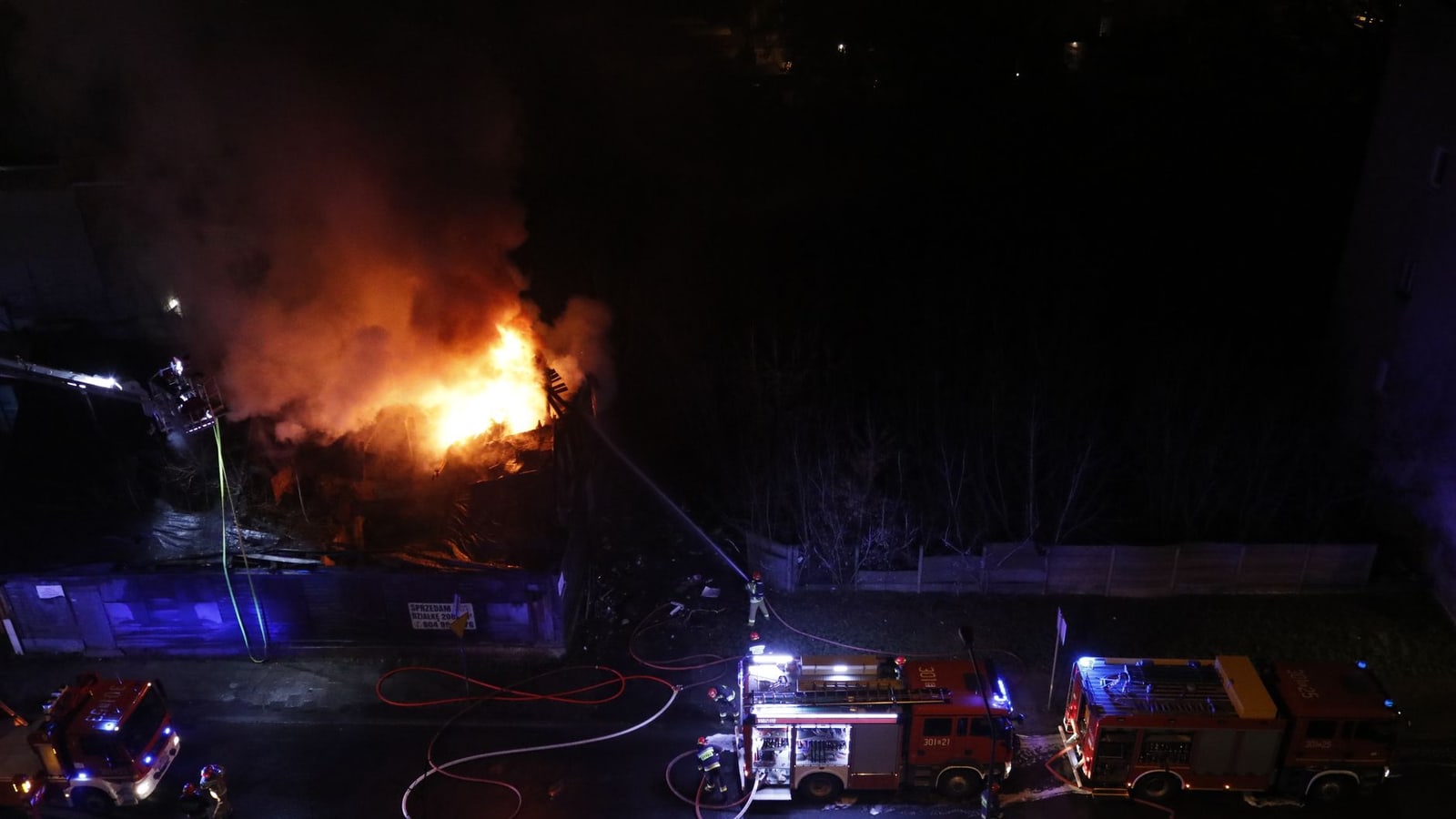
Walloon authorities said on 25 August that the wildfire was under control but still only partly mastered in its northern and eastern sectors, as about 100 responders continued tackling flare-ups near Belgium’s border with . The same day, the public prosecutor’s office opened a judicial inquiry into an unintentional fire, according to Belgian reporting. The developments give sharper legal and political meaning to earlier demands for sanctions, while Belgium’s use of the has made the disaster a test of both domestic preparedness and European crisis support.
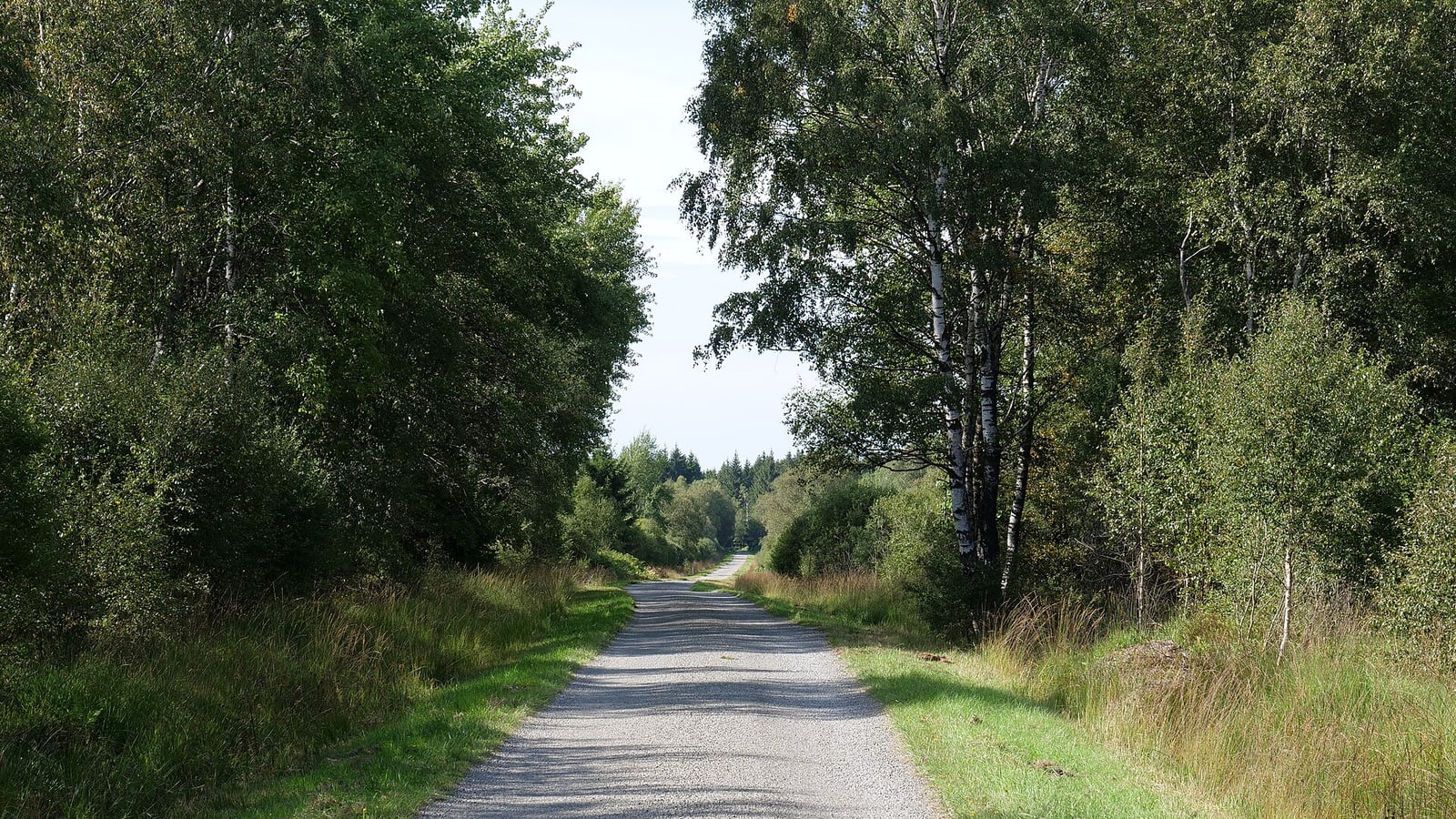
For residents, visitors and businesses in eastern Belgium, the immediate message remains practical: the affected natural areas are closed even though the N68, N672 and N676 have reopened. The warns that underground fires may persist, burned trees can fall and old wartime munitions may have become exposed. Water-distribution tests remain compliant with health standards, while air and water monitoring will continue. The authorities have not announced when the reserve will reopen.
The fire began at about 13:00 on 14 August near and spread through unusually dry heath, forest and peatland. More than 3,000 hectares were reported burned during the emergency, making it the largest wildfire recorded in Belgium, according to the ’s representation in Belgium. Firefighters from across the country were joined by international crews and aircraft after Belgium requested assistance on 15 August. The Commission says it coordinated two Swedish firefighting aircraft, six helicopters from the Netherlands, and Norway, specialist teams from the Netherlands and Spain, and emergency satellite mapping.
That operational solidarity contrasts with the political argument among the partis francophones. PS president Paul Magnette framed the disaster as evidence of the climate emergency, while praising rescue teams. Les Engagés president Yvan Verougstraete likewise linked prevention to limiting global warming and argued that Belgium must adapt its response capacity; his party subsequently called for the federal government to examine support from the EU Solidarity Fund. Their emphasis is structural: hotter, drier conditions increase the danger and require investment before the next ignition.
MR president Georges-Louis Bouchez placed greater weight on individual responsibility. While thanking firefighters, farmers, public authorities and European partners, he said exemplary consequences should follow if investigators establish that a person deliberately or negligently started the blaze. That position captures the demandes sanctions strand of the debate, but the inquiry has not yet established a cause or identified a suspect. Treating culpability as settled would therefore go beyond the available evidence.
These positions are not mutually exclusive. An ignition may result from a human act, while drought, dry vegetation and combustible peat determine how quickly a fire grows and how difficult it becomes to extinguish. The distinction matters because criminal enforcement addresses conduct; climate mitigation, land management and emergency planning address the conditions that turn a spark into a national crisis.
The broader European lesson is equally concrete. Crisis-management commissioner Hadja Lahbib, a former Belgian foreign minister, said during a visit to the affected Belgian-German area that wildfire risk is changing across Europe. By 12 August, the EU’s burned area for the season was already more than twice the average for that point in the year, the Commission reported. The response showed the value of shared aircraft, crews and Copernicus mapping, but also the pressure created when several countries need the same limited resources simultaneously.
The ecological recovery will outlast the political cycle. A 2011 fire burned about 1,385 hectares of the plateau, and Walloon conservation material found that restored, wetter peatland helped impede the flames in some places. That history strengthens the case for treating restoration as part of fire prevention, not merely post-disaster repair. The King Baudouin Foundation has opened a recovery fund, while Walloon and authorities are assessing losses to accommodation providers and other tourism businesses.
Attention now turns to Friday’s operational reassessment, the prosecutor’s findings and the eventual damage map. The decisive questions are whether investigators can establish how the fire started, when the reserve can safely reopen, and whether Belgium converts the emotion, calls for action and demands for sanctions into a funded plan for prevention, cross-border response and long-term peatland recovery.
Impact
Regional — Eastern Wallonia and Belgium’s German-speaking area face prolonged nature-access restrictions, ecological restoration costs and disruption to tourism. Authorities said 34 accommodation businesses were evacuated during the 15 August weekend and are assessing the wider economic effects.
Local — Baelen and the wider Hautes Fagnes area face continuing disruption even after the N68, N672 and N676 reopened. The protected reserve remains closed, limiting walking and other nature-based visits while authorities monitor the site. During the weekend of 15 August, 34 accommodation businesses were evacuated, affecting operators, guests and the local tourism economy. Eastern Wallonia and Belgium’s German-speaking area may also face restoration work and related costs once authorities can safely assess damage to heath, forest and peatland habitats.
International — Belgium’s activation of the EU Civil Protection Mechanism on 15 August turned the Hautes Fagnes response into a European operation. The EU coordinated two Swedish planes, six foreign helicopters, specialist teams and satellite mapping, demonstrating how member states can pool capacity during major wildfires. The affected plateau extends towards the German border, making preparedness and emergency coordination relevant beyond Wallonia. European Commissioner Hadja Lahbib’s visit to wildfire-hit areas in Belgium and Germany further connected the response to wider European solidarity and civil-protection planning.
What it means for you
Do not enter the Hautes Fagnes reserve while the closure remains in force, even though the N68, N672 and N676 have reopened. Check current Walloon and municipal notices before travelling, hiking or booking accommodation near Baelen and the plateau. Travellers with affected reservations should contact their accommodation provider directly; 34 businesses were evacuated during the 15 August weekend, and wider economic effects are still being assessed. Watch for official updates on full extinguishment, reopening and access rules. Treat claims about blame cautiously: the Liège inquiry has not established a cause or identified a suspect.
Opposing perspectives
- Paul Magnette and Yvan Verougstraete — structural prevention
The PS and Les Engagés leaders frame the fire primarily as a warning about climate disruption and preparedness. Their emphasis is on reducing warming, adapting emergency capacity and using Belgian and European public resources to prevent future disasters and restore the landscape.
- Georges-Louis Bouchez — individual accountability
The MR president stresses that deliberate or negligent conduct may have triggered the fire and argues for exemplary consequences if that is proved. This accountability framing remains conditional because investigators have not established a cause or named a responsible person.
- Hadja Lahbib — shared European capacity
The EU crisis-management commissioner presents the disaster as evidence that wildfire risk is changing across Europe and that pooled aircraft, crews and mapping are essential. This shifts attention beyond Belgian party conflict towards the resilience of Europe’s collective emergency system.
Who, where and what
Key people, places and terms in this story
The European Commission is an EU institution seated in Brussels. In these excerpts it matters as an EU-level policy and service reference for Belgium, including pay transparency implementation, circular textiles, asbestos exposure rules and the Your Europe service.
Protected heath, forest and peatland plateau affected by the wildfire and remaining closed to visitors.
Municipality near which the fire began on 14 August 2026.
Belgian region responsible for the affected protected area and regional response measures.
Province and judicial district associated with the inquiry into the fire.
Show the full library (15)
Protected heath, forest and peatland plateau affected by the wildfire and remaining closed to visitors.
Municipality near which the fire began on 14 August 2026.
Belgian region responsible for the affected protected area and regional response measures.
Province and judicial district associated with the inquiry into the fire.
Neighbouring country bordering the wider plateau area and also included in the commissioner’s wildfire visit.
The European Commission is an EU institution seated in Brussels. In these excerpts it matters as an EU-level policy and service reference for Belgium, including pay transparency implementation, circular textiles, asbestos exposure rules and the Your Europe service.
European emergency-assistance framework activated by Belgium on 15 August 2026.
Belgian federated community in the affected eastern part of the country.
Regional authority reporting the fire’s status, closures and response measures.
Walloon administration involved in managing nature and forest issues around the affected reserve.
Domestic responders involved in controlling the wildfire and protecting the public.
Judicial authority overseeing the inquiry into a possible unintentional fire.
Political union coordinating international wildfire assistance through its civil-protection system.
Commission representation communicating European support for Belgium’s wildfire response.
Regional service that documented earlier restoration of Hautes Fagnes heath and peatlands.
Sources & evidence
- View sourceRTBF — Francophone party leaders react to the Hautes Fagnes firePrimaryprimary· news.google.com· 16 August 2026Retrieved 27 August 2026· 47 days ago· Dated
- View sourceLa Libre Belgique — Francophone parties respond to the firecorroborating· lalibre.be· 16 August 2026Retrieved 27 August 2026· 47 days ago· Dated
- View sourceWalloon government — Fire status and measuresofficial· wallonie.be· 25 August 2026Retrieved 27 August 2026· 38 days ago· Dated
- View sourceEuropean Commission — Commissioner Lahbib visits wildfire-hit Belgium and Germanyofficial· civil-protection-humanitarian-aid.ec.europa.eu· 24 August 2026Retrieved 27 August 2026· 39 days ago· Dated
Related topics
Related to this story
Pulse Insight — This topic connects to 10 associations and 3 funding programmes through the Wallonia ecosystem.
Live connections from the Belgium Impulse ecosystem — not recommendations.
This briefing was prepared with AI assistance and reviewed by a Belgium Impulse editor before publication. methodology.