High Fens fire leaves East Belgium’s tourism sector facing weeks of disruption
The High Fens plateau remains closed after Belgium’s largest recorded wildfire damaged about 3,000 hectares, forcing tourism businesses to cancel bookings during the peak summer season.
The closures remove the region’s flagship natural attraction during the summer peak and disrupt routes, hotels, restaurants and visitor bookings. The duration of the economic setback depends on when the plateau becomes safe and how quickly confidence returns.
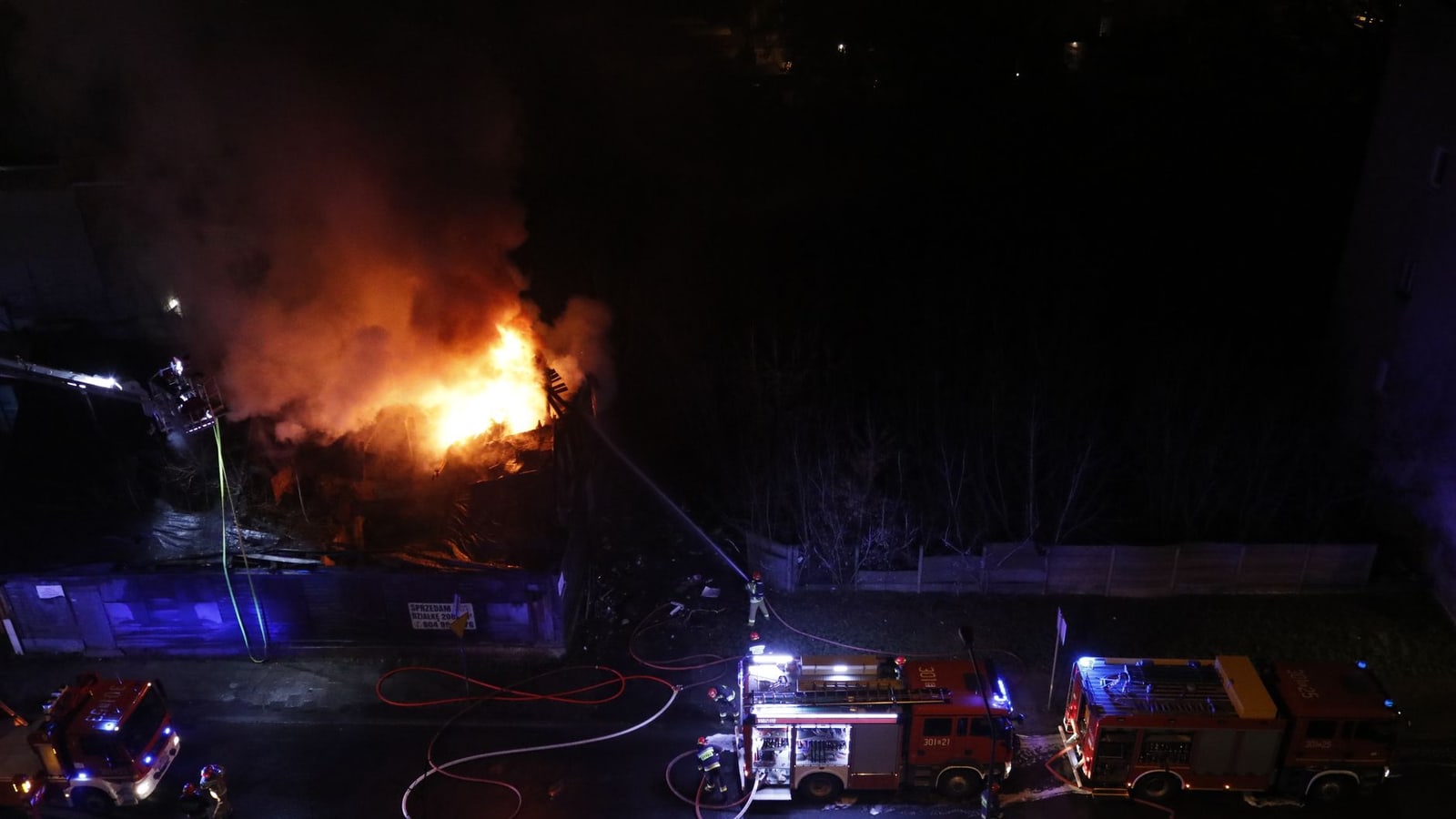
Updated 24 August 2026, 09:00 CEST — , LIÈGE PROVINCE. Fire crews fought renewed hotspots in the eastern High Fens on Sunday, 23 August, while the authorities kept the affected plateau, forest roads and nature reserves closed to visitors. The Liège provincial authorities said 140 to 160 responders were deployed during the day and that peat still burning below ground was producing fresh smoke.
The fire began on 14 August and affected about 3,000 hectares, according to the provincial authorities. The tourism disruption is now extending beyond the emergency itself. De Standaard reported that hotels and restaurants around the reserve had cancelled bookings, including the near , which closed after being fully booked for August. Christoph Hendrich of the told the newspaper that many operators faced major revenue losses and would need support.
The official tourism agency presents a more differentiated picture. It says most accommodation and attractions elsewhere in remain open and accessible, although the plateau is unavailable. Sections of the Vennbahn and Venntrilogie are closed, the Stoneman Arduenna cycling route has been diverted, and access roads including parts of the N68, N672 and N676 remain restricted. Visitors are advised to contact their accommodation or activity provider directly before travelling.
That distinction matters for a region whose summer economy draws heavily on hiking, cycling and the protected landscape. The fire has removed its best-known attraction at the height of the season, while the closures and images of burnt terrain risk discouraging visitors from destinations that remain open.
The wider uncertainty concerns recovery. The contain deep peat, where embers persist underground after flames disappear. ’s environment service warns that weakened trees, hidden hotspots, smoke and exposed wartime ammunition still make the closed area unsafe. Its measurements found no concerning carbon-monoxide concentrations on 23 August, and average air quality over the preceding 24 hours remained good despite a temporary rise in fine particles.
Authorities have not announced a reopening date, a final ecological damage assessment or an overall figure for tourism losses. Fire monitoring and safety inspections will continue, while businesses await clearer information on access, compensation and how much of the autumn walking season can proceed.
Impact
Regional — Baelen, Jalhay, Waimes and nearby East Cantons destinations face the most direct disruption. Most accommodation elsewhere in East Belgium remains accessible, but route and road closures require visitors to check locally before departure.
Local — Baelen, Jalhay, Waimes and nearby East Cantons destinations face the sharpest effects because access to the High Fens plateau and several established routes remains restricted. Parts of the Vennbahn and Venntrilogie are closed, and the Stoneman Arduenna is operating with a diversion. Hotels, restaurants and other visitor businesses may lose peak-season bookings, although the regional tourism agency says most accommodation elsewhere in East Belgium remains accessible. Travellers should distinguish plateau closures from access conditions across the wider region.
What it means for you
Anyone planning a High Fens trip should check official access and route updates immediately before travelling and should not enter the closed plateau. Confirm accommodation, restaurant and activity bookings directly, especially around Baelen, Jalhay, Waimes, Signal de Botrange and Ovifat. Cyclists and walkers using the Vennbahn, Venntrilogie or Stoneman Arduenna need to verify closures or diversions and allow for changed journey times. Most accommodation elsewhere in East Belgium remains open, so visitors should ask about alternatives before cancelling an entire stay. No reopening date is established in the facts available.
Opposing perspectives
- Tourism businesses seeking urgent support
Hotels, restaurants and activity providers around the High Fens emphasise cancelled peak-season bookings and prolonged revenue losses. East Belgium Tourism Agency spokesperson Christoph Hendrich told De Standaard that many businesses were likely to need support.
- Authorities prioritising safety and controlled access
Walloon and provincial authorities maintain that the plateau must remain closed because peat hotspots, unstable trees, local smoke and exposed wartime ammunition still pose hazards, even though the wider fire is broadly controlled.
Who, where and what
Key people, places and terms in this story
Protected peatland plateau damaged by the wildfire and kept closed to visitors.
Belgian region containing the affected High Fens area.
Commune facing direct disruption from the fire and plateau closure.
Wider tourism region experiencing booking and route disruption.
Commune facing direct disruption from the fire and plateau closure.
Show the full library (15)
Protected peatland plateau damaged by the wildfire and kept closed to visitors.
Wider tourism region experiencing booking and route disruption.
Belgian region containing the affected High Fens area.
Commune facing direct disruption from the fire and plateau closure.
Commune facing direct disruption from the fire and plateau closure.
Tourism area whose hiking, cycling, accommodation and restaurant economy depends partly on the High Fens.
Landmark around which the protected High Fens plateau is centred.
Commune facing direct disruption from the fire and plateau closure.
East Cantons destination where a hotel was evacuated as a precaution during the fire.
Regional route with sections closed following the wildfire.
Regional route with sections closed following the wildfire.
Cycling itinerary operating with a diversion because of the disruption.
Hotel in Ovifat evacuated as a precaution during the fire.
Regional tourism body reporting that most accommodation elsewhere in East Belgium remains open and providing visitor updates.
Regional authority issuing situation reports and recommendations about the fire.
Sources & evidence
- View sourceDe StandaardPrimaryprimary· standaard.be· 21 August 2026Retrieved 24 August 2026· 42 days ago· Dated
- View sourceWalloon Government and Liège provincial authoritiesofficial· wallonie.be· 23 August 2026Retrieved 24 August 2026· 40 days ago· Dated
- View sourceWallonia Environment Serviceofficial· environnement.wallonie.be· 23 August 2026Retrieved 24 August 2026· 40 days ago· Dated
- View sourceEast Belgium Tourism Agencyofficial· ostbelgien.eu· 21 August 2026Retrieved 24 August 2026· 42 days ago· Dated
Related topics
Related to this story
Pulse Insight — This topic connects to 10 associations and 3 funding programmes through the Wallonia ecosystem.
Live connections from the Belgium Impulse ecosystem — not recommendations.
This briefing was prepared with AI assistance and reviewed by a Belgium Impulse editor before publication. methodology.