High Fens fire renews warnings over Belgium’s wildfire readiness
Belgium’s Climate Risk Assessment Center says the High Fens fire confirms that the country remains insufficiently prepared for larger and more frequent wildfires, despite recent investments in research, equipment and coordination.
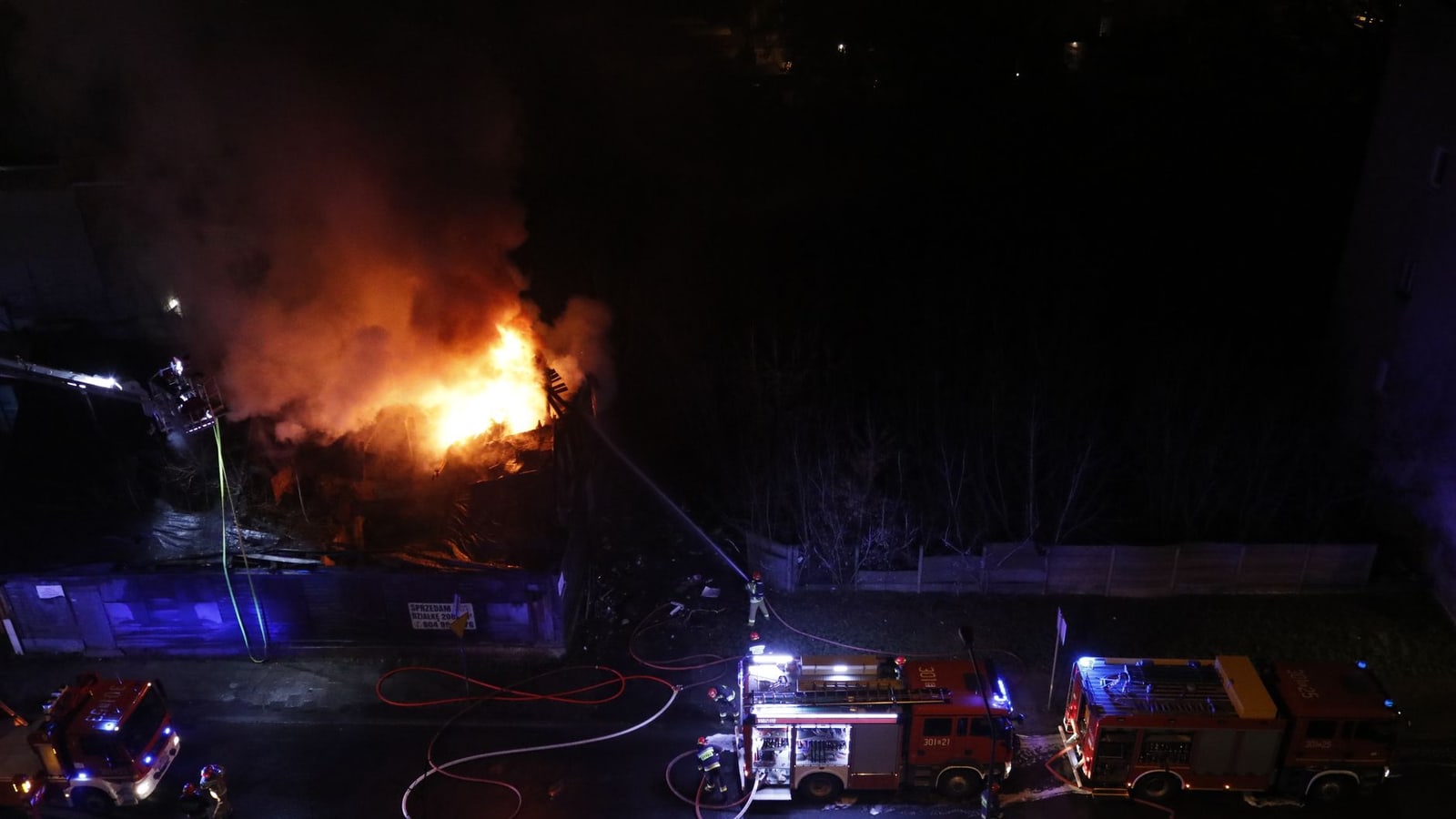
The fire tested Belgium’s ability to sustain a complex operation across difficult terrain while protecting nearby communities, emergency workers, water resources and a nationally important ecosystem. CERAC warns that simultaneous fires would place even greater pressure on limited specialist resources.
Updated 25 August 2026, 10:00 CEST — , LIÈGE PROVINCE — ’s , , has urged authorities to accelerate wildfire preparations after the major fire that began in the High Fens on 14 August exposed continuing gaps in national readiness. Walloon authorities reported on 24 August that conditions were gradually improving, but kept the affected nature reserves and forests closed while emergency work continued.
spokesperson Steven Vermeulen told VRT NWS on 17 August that was catching up but still lagging behind the risk. He described the fire as a hoped-for final wake-up call and said the response still lacked urgency. CERAC and the had warned in February 2025 that climate change would bring more frequent, more intense and increasingly simultaneous vegetation fires over the following 15 to 20 years.
The 2025 assessment called for better monitoring, faster detection, stronger support for fire crews and federal coordination capable of unifying interventions. acknowledged through the that progress has since been made in scientific research, equipment and cooperation between fire zones, while maintaining that the preparation effort must now move faster.
The said around 350 people had taken part in managing the fire, including emergency personnel and nature-and-forestry staff. also received aerial assistance from European partners. The scale and difficult terrain turned the operation into a test of how Belgium handles a prolonged wildfire requiring resources from several services and jurisdictions.
Federal Climate Minister Jean-Luc Crucke said on 20 August that the crisis response remained the immediate priority. His office pointed to €850,000 allocated in March for , a project covering a national database, risk mapping, detection and modelling. Crucke said he would ask the National Crisis Centre to evaluate prevention, public information, coordination, warning systems and operational capacity once the fire was under control.
Public access remains the most immediate concern. The Walloon authorities said closures were still fully in force on 24 August because underground hotspots, weakened trees, local smoke, disturbed wildlife and exposed wartime ammunition continued to pose risks. Air checks published on 23 August found no worrying carbon-monoxide concentrations, while drinking-water tests met health standards; enhanced water monitoring will continue for several weeks.
The next decisions will come after the emergency phase: authorities must establish the final burned area and ecological damage, determine the fire’s cause, assess the multinational response and decide which recommendations require new funding or clearer ownership across ’s federal and regional institutions.
Impact
Regional — The closures affect forests and reserves in the Verviers, Malmedy and Elsenborn forestry districts, including parts of the High Fens near Walloon and German-speaking communities. Tourism operators, residents and recreational visitors face continuing restrictions.
Local — Forest and reserve closures affect the Verviers, Malmedy and Elsenborn forestry districts, including High Fens areas close to Walloon and German-speaking communities. Residents, tourism businesses and recreational visitors may face blocked routes, cancelled outings and reduced access until Wallonia lifts the restrictions. The incident also places sustained demands on local and regional emergency services operating in difficult terrain while authorities protect nearby communities, water resources and a nationally important ecosystem.
What it means for you
Anyone planning to hike, cycle or visit the High Fens should check Wallonia’s latest closure notices before travelling and avoid entering closed forests or reserves, even where fire conditions appear to be improving. Visitors should expect route changes or cancellations in the Verviers, Malmedy and Elsenborn forestry districts. Residents and tourism operators should follow instructions from Walloon and local authorities. The next practical milestone is the lifting or adjustment of restrictions imposed after the 14 August fire; no reopening date is provided in the article.
Opposing perspectives
- CERAC’s preparedness assessment
CERAC says investments and better coordination have begun, but Belgium still lacks sufficient urgency, reliable historical data, rapid detection and the capacity required when several vegetation fires break out at the same time.
- Federal government response
Federal Climate Minister Jean-Luc Crucke points to the FIRE4BE funding, an operational pilot fire-spread model and plans for a post-crisis review, while saying firm conclusions should follow a factual evaluation after the fire is controlled.
Who, where and what
Key people, places and terms in this story
Country whose national wildfire readiness is under scrutiny following the fire.
Region responsible for the affected forests, reserves, closures and public recommendations.
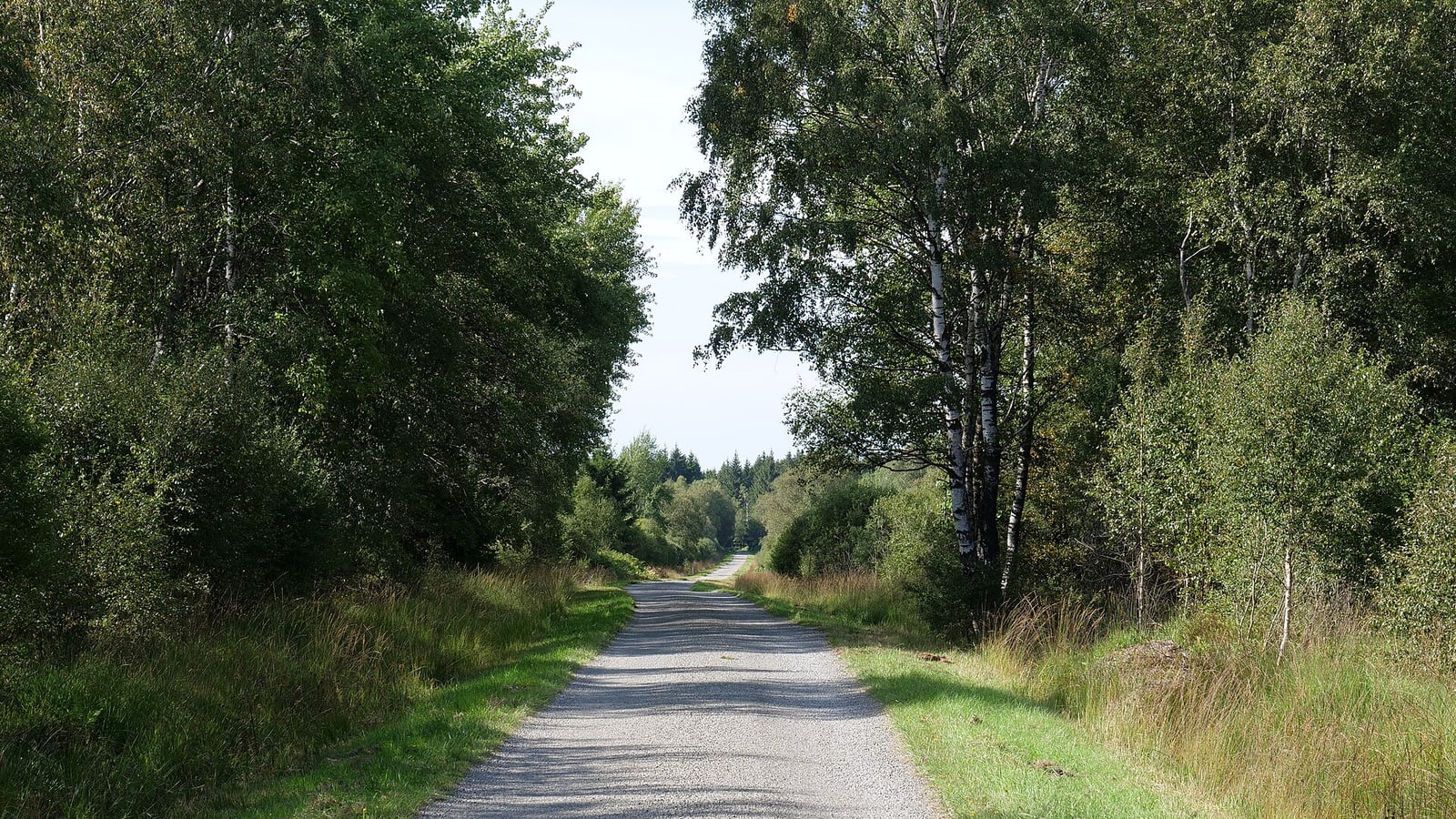
Protected landscape in eastern Belgium where the wildfire began on 14 August 2026.
Forestry district affected by forest and nature-reserve closures.
Forestry district affected by forest and nature-reserve closures.
Show the full library (13)
Protected landscape in eastern Belgium where the wildfire began on 14 August 2026.
Country whose national wildfire readiness is under scrutiny following the fire.
Region responsible for the affected forests, reserves, closures and public recommendations.
Forestry district affected by forest and nature-reserve closures.
Forestry district affected by forest and nature-reserve closures.
Forestry district affected by forest and nature-reserve closures.
Wildfire beginning on 14 August 2026 that tested Belgian response capacity and prompted continuing closures.
Federally funded wildfire research and preparedness initiative allocated €850,000 in March 2026.
Federal centre, commonly referred to as CERAC, warning that Belgium remains insufficiently prepared for worsening wildfire risk.
Abbreviation used for Belgium’s Climate Risk Assessment Center.
Federal institution working with CERAC to evaluate wildfire threats and preparedness.
Regional administration reporting that around 350 people participated in managing the fire.
Government that allocated €850,000 to FIRE4BE in March 2026.
Sources & evidence
- View sourceVRT NWSPrimaryprimary· vrt.be· 17 August 2026Retrieved 25 August 2026· 46 days ago· Dated
- View sourceWalloon Public Service — Environmentofficial· environnement.wallonie.be· 24 August 2026Retrieved 25 August 2026· 39 days ago· Dated
- View sourceWallonia — High Fens fire situation and recommendationsofficial· wallonie.be· 23 August 2026Retrieved 25 August 2026· 40 days ago· Dated
- View sourceClimate Risk Assessment Centerofficial· cerac.be· 28 February 2025Retrieved 25 August 2026· 581 days ago· Dated
Related topics
Related to this story
Pulse Insight — This topic connects to 10 associations and 3 funding programmes through the Wallonia ecosystem.
Live connections from the Belgium Impulse ecosystem — not recommendations.
This briefing was prepared with AI assistance and reviewed by a Belgium Impulse editor before publication. methodology.