High Fens fire contained as Belgium turns to a long ecological recovery
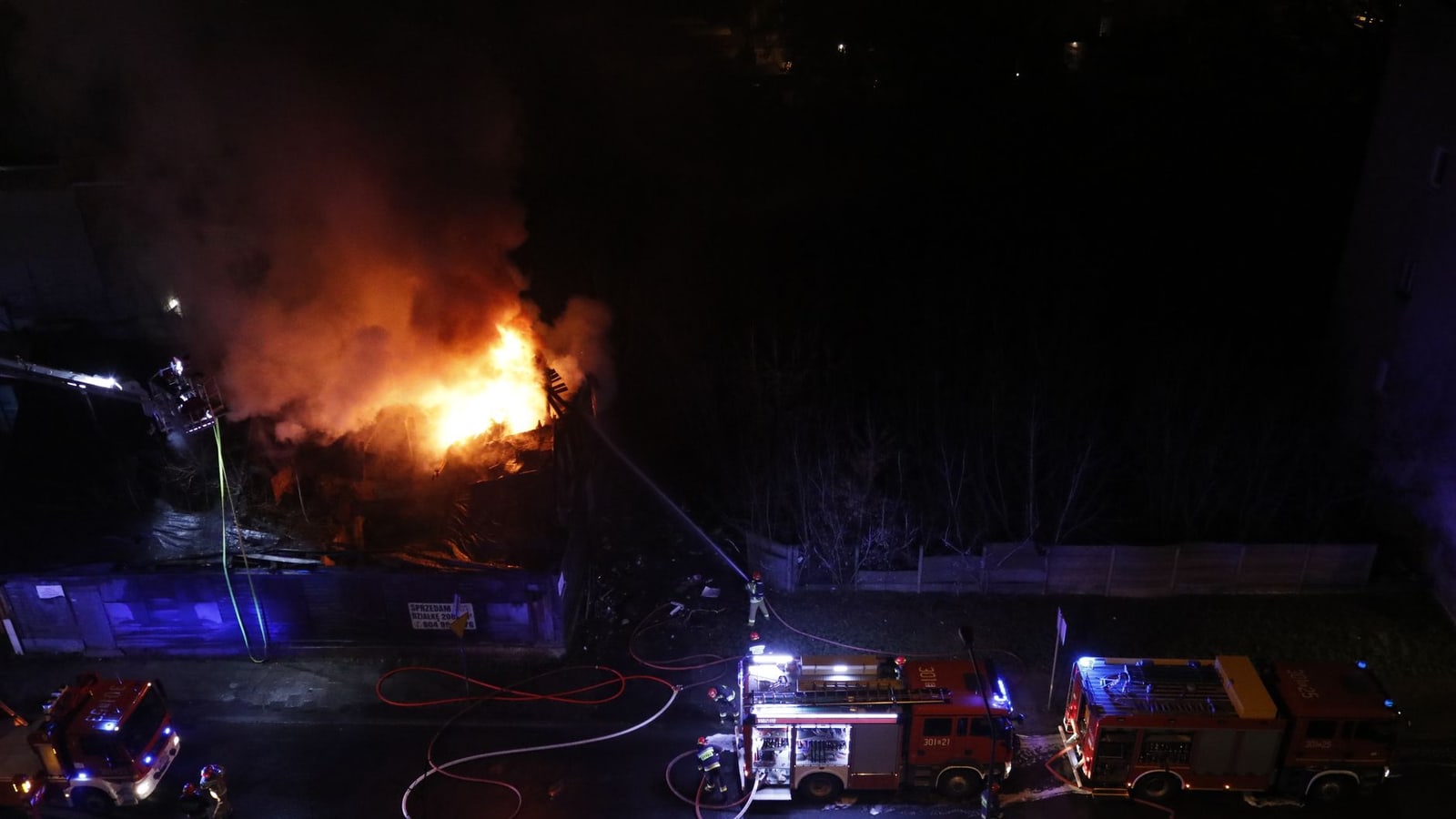
Walloon authorities have brought the wildfire that started near Baelen on 14 August under control after it affected about 3,000 hectares, but underground hotspots and extensive access restrictions remain.
The immediate risk has receded, but the disaster damaged nationally important habitats and demonstrated how degraded, dry peat increases the difficulty and duration of wildfire response. Recovery decisions will affect biodiversity, carbon storage, water retention, tourism and future fire resilience.
Updated 26 August 2026, 10:00 CEST — , . Walloon authorities have brought the wildfire that started near Baelen at about 13:00 on 14 August under control after it affected roughly 3,000 hectares of the , but emergency crews are still watching for underground flare-ups. The said local outbreaks required intervention during the night of 23–24 August and warned that fire can continue smouldering in peat.
The authorities have therefore kept paths and natural areas within the designated safety perimeter closed or tightly restricted. According to the , fire damage can also expose old wartime ammunition, while weakened wildlife must not be disturbed. The regional access order currently runs through 31 August, although officials can revise the measures as conditions develop.
The same official update said monitoring found no worrying concentration of carbon monoxide. Fine-particle levels rose temporarily overnight on 22–23 August before returning to normal that morning, and the 24-hour air-quality classification remained good. Drinking-water tests around nearby production infrastructure also met health standards, while residents evacuated from Sourbrodt, Küchelscheid and Leykaul were allowed home on 19 August.
reported during the emergency that the fire had affected nearly 3,000 hectares, exceeding the approximately 1,300 hectares burned in the fire of 2011. Peat, heathland and conifer stands made the operation particularly difficult: peat can burn below the surface after visible flames have disappeared.
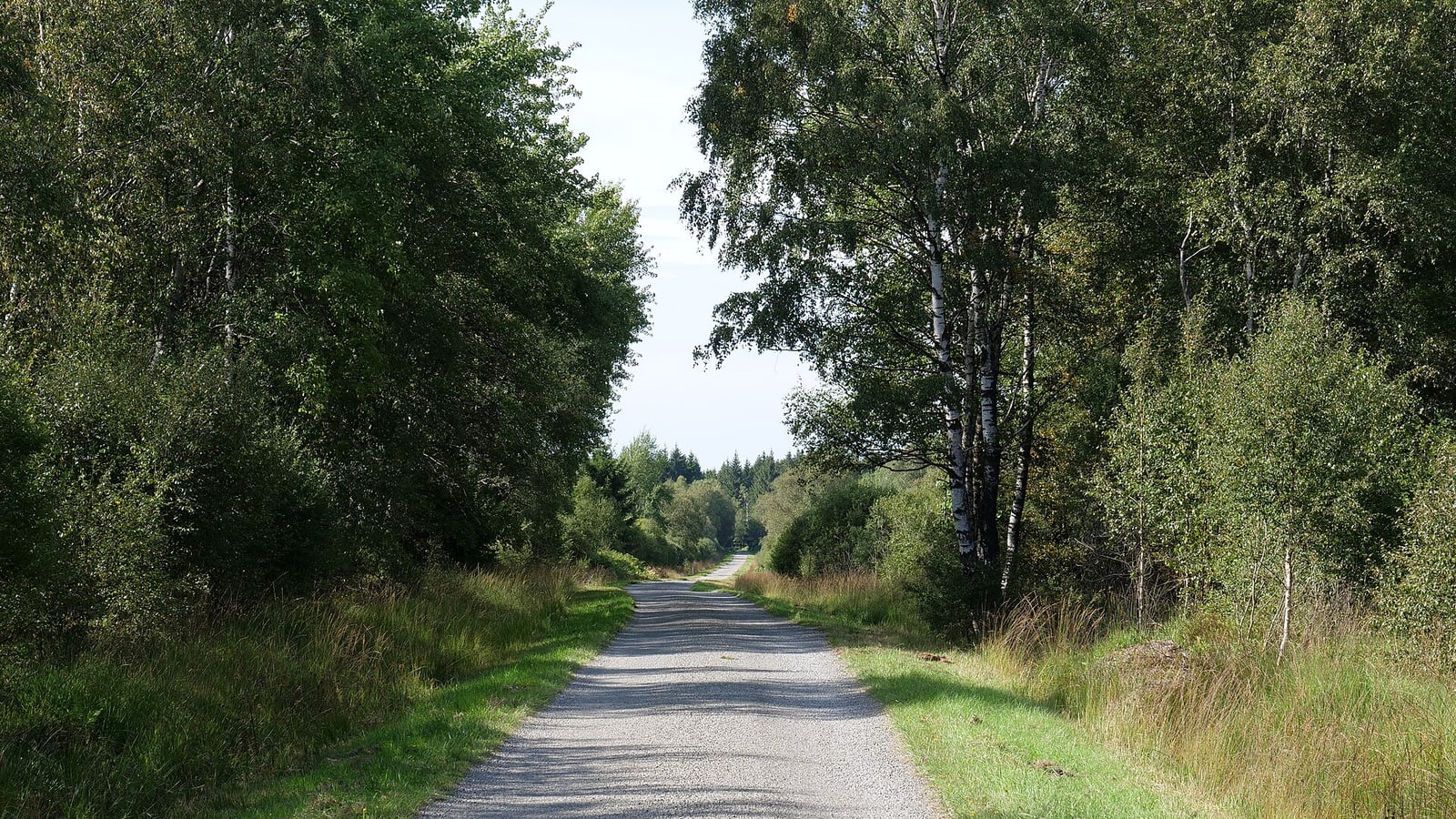
That physical reality now shapes the recovery debate. The says parts of the plateau were historically drained and that restoration work has sought to rewet peat soils and remove spruce plantations from unsuitable wet ground. Wetter peat supports specialised habitats, stores carbon and is less exposed to deep, persistent combustion. This is why learning to invest in nature restoration is not a luxury exclusively for nature lovers, but part of managing fire, water and climate risks.
The says donations collected through a new solidarity fund can support peatland rewetting, replanting, trail repairs, impact studies and prevention. Officials and ecologists must first map the damage safely, protect surviving pockets of vegetation and determine where natural regeneration is sufficient. The fire’s cause and the final ecological losses have not yet been established publicly; those findings will determine the next phase of restoration and prevention.
Impact
Regional — Residents and tourism operators across eastern Liège province and Belgium’s German-speaking area face continuing access limits. Some visitor facilities have reopened, while woodland, trails and parts of the Robertville area remain restricted.
Local — Baelen and surrounding parts of eastern Liège province remain the principal local focus. Residents evacuated as a precaution could return home from 19 August, but access to designated High Fens safety zones is still prohibited or restricted because peat hotspots may reignite. Tourism operators and visitors should expect uneven reopening: some facilities are operating again, while affected woodland, trails and parts of the Robertville area remain restricted. Belgium’s nearby German-speaking area is also experiencing disruption linked to access limits.
What it means for you
If you plan to walk, cycle or visit the High Fens, check current Walloon access notices before travelling and do not enter marked safety zones, even where nearby visitor facilities have reopened. Expect closures affecting woodland, trails and parts of the Robertville area, and choose an alternative destination if your route crosses restricted land. Residents evacuated during the fire have been allowed home since 19 August, but everyone in the affected area should continue following official instructions because underground peat hotspots can reignite. No reopening date for all restricted areas is established in the facts provided.
Opposing perspectives
- Peatland-restoration advocates
Naturalist organisations argue that rewetting drained peat and restoring native open habitats strengthen biodiversity, carbon storage and resistance to deep-burning fires. They present restoration spending as risk-management infrastructure rather than a benefit reserved for conservation enthusiasts.
- Emergency and access authorities
Walloon and local authorities are prioritising public safety, hotspot surveillance and controlled access before broad restoration work begins. Their immediate position is that ecological assessment and visitor reopening must wait until unstable ground, smouldering peat and exposed ammunition no longer endanger people.
Who, where and what
Key people, places and terms in this story
Protected upland landscape where approximately 3,000 hectares were affected by the wildfire.
Commune near which the fire began on 14 August 2026.
Belgian region responsible for the affected territory and recovery response.
Eastern province where residents, visitors and tourism operators face continuing disruption.
Nearby sub-region affected by continuing access limits.
Show the full library (13)
Protected upland landscape where approximately 3,000 hectares were affected by the wildfire.
Commune near which the fire began on 14 August 2026.
Belgian region responsible for the affected territory and recovery response.
Eastern province where residents, visitors and tourism operators face continuing disruption.
Nearby sub-region affected by continuing access limits.
Area where some woodland, trails or other locations remain restricted.
Fire that began on 14 August 2026 and affected approximately 3,000 hectares.
Regional authority reporting that the fire is under control and managing the official response.
Environmental authority providing official information about the High Fens fire.
Belgian public-service news outlet listed among the article’s sources.
Nature organisation providing ecological explanation of the fire.
Wallonia’s legal-information platform cited for the applicable official framework.
Belgian newspaper providing commentary on nature restoration after the fire.
Sources & evidence
- View sourceWalloon GovernmentPrimaryofficial· wallonie.be· 14 August 2026Retrieved 26 August 2026· 49 days ago· Dated
- View sourceWalloon Environment Administrationofficial· environnement.wallonie.be· 19 August 2026Retrieved 26 August 2026· 44 days ago· Dated
- View sourceVRT NWScorroborating· vrt.be· 16 August 2026Retrieved 26 August 2026· 47 days ago· Dated
- View sourceCercles des Naturalistes de Belgiquebackground· cercles-naturalistes.be· 20 August 2026Retrieved 26 August 2026· 43 days ago· Background / context
Related topics
Related to this story
Pulse Insight — This topic connects to 10 associations and 3 funding programmes through the Wallonia ecosystem.
Live connections from the Belgium Impulse ecosystem — not recommendations.
This briefing was prepared with AI assistance and reviewed by a Belgium Impulse editor before publication. methodology.