United States and Iran start 60-day ceasefire under 14-point plan
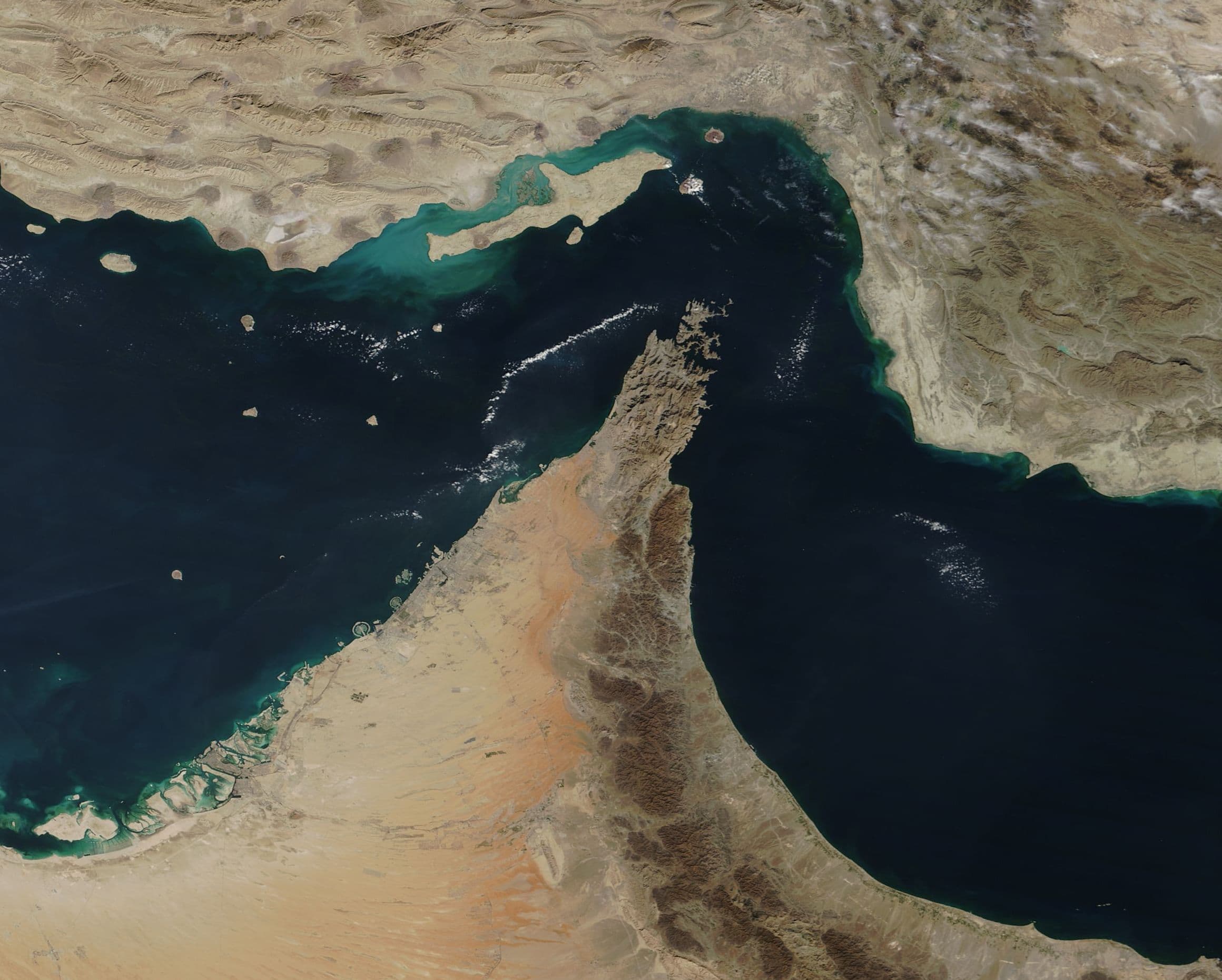
The United States and Iran have put an interim 14-point memorandum into effect, starting a 60-day ceasefire and negotiation window after months of conflict around Iran, Lebanon and the Strait of Hormuz. The memorandum, as described by the parties and corroborated across international reporting, lifts the US naval blockade on Iranian ports, allows temporary sanctions waivers for Iranian oil and banking, and commits Iran to reopening Hormuz to shipping without fees during the 60-day period. Iran has signalled that it still claims the right to charge ships after that window, while the United States has warned it could restore military and economic pressure if Tehran breaches the deal. The central test is whether a temporary economic and maritime de-escalation can become a durable settlement on Iran's nuclear programme, regional armed allies and Gulf shipping security.
The Iran Conflict: Nuclear, Regional and Diplomatic
A 14-point US–Iran memorandum signed at Versailles on 17 June 2026 opened a 60-day ceasefire and briefly reopened the Strait of Hormuz, sending Brent crude down to around $78 a barrel, but that fragile de-escalation has since broken down. According to Het Laatste Nieuws and Le Soir, the United States launched fresh airstrikes on Iran overnight on 9 July, and Iran retaliated against US Gulf allies, with explosions reported in Bahrain, Kuwait and Qatar (Al Jazeera, Het Laatste Nieuws). President Trump warned the escalation could be "far worse," while the IMF cut its 2026 global-growth forecast citing the war (Al Jazeera). For Belgium, the fastest transmission channel is energy: renewed disruption at the Hormuz chokepoint has pushed Brent back toward $79 (Het Laatste Nieuws / ING), feeding eurozone inflation, ECB policy and pressure on Belgian households, hauliers and chemical producers.
For Belgian households and businesses, the immediate channel is energy: fuel, freight, fertiliser and inflation expectations all react to Hormuz risk. Belgian ports, logistics firms, airlines, chemical producers and farmers are exposed to oil, gas and shipping-cost volatility even when cargoes do not sail directly from the Gulf to Belgium. EU institution staff and policy-engaged readers in Brussels should also watch the sanctions and nuclear-verification track, because any durable deal would intersect with EU non-proliferation policy and European energy-security planning.
(Iranian president since 2024) is the elected head of 's government, though strategic security decisions also involve unelected institutions. (US president, returned to office in 2025) is the American signatory to the memorandum. The (narrow waterway between Iran, and the ) is a key route for oil and liquefied natural gas shipments. The (UN nuclear watchdog based in , founded in 1957) monitors nuclear safeguards and would be central to any verification deal. (speaker of and former commander) has been cited in the deal process. (Iran-aligned Lebanese armed movement and political party, founded in the 1980s) matters because the ceasefire text is reported to touch . and (Gulf and South Asian states) have acted as mediators in recent Iran-related diplomacy.
Background
The deal sits in a long cycle of nuclear and Gulf-shipping crises. The 2015 limited Iran's nuclear programme under monitoring before the withdrew in 2018 and sanctions pressure returned. The has been a flashpoint since the 1980s , including the US-Iran naval clash known as in 1988. In 2019, tanker seizures and attacks again raised fears over Gulf transit. The 2025 , followed by renewed 2026 escalation, showed how quickly nuclear, maritime and proxy-war issues can merge.
The wider picture
The agreement tests whether the can shift from coercion to managed bargaining after a costly confrontation, and whether can trade maritime access for economic relief without yielding on core strategic claims. China, India, Europe and Gulf states all have stakes because security affects energy flows, inflation, shipping insurance and the balance between US power and regional autonomy.
Why now
The trigger is the reported entry into force of the 14-point memorandum on June 18, 2026, after US and Iranian leaders signed it and markets began pricing a faster reopening. The timing also reflects pressure to stabilise energy flows before the conflict's economic damage spreads further.
What to watch
Watch whether ships actually resume regular Hormuz transits, whether Iran refrains from fees during the 60-day window, whether IAEA access becomes part of follow-up talks, and whether Israel or Hezbollah actions in Lebanon strain the ceasefire. The expiry of the 60-day period is the key deadline.
What happens next
The next phase is a 60-day negotiation over a final settlement, including nuclear limits, sanctions sequencing, maritime passage and the conflict's Lebanon dimension. A formal diplomatic meeting in Switzerland is expected to follow if the parties keep the ceasefire. Shipping companies and insurers will likely wait for practical security signals before treating Hormuz as fully normal again.
Potential consequences
If the ceasefire holds, lower oil and shipping-risk premiums could ease pressure on European fuel prices and industrial input costs. If talks fail, the reversal could be abrupt: insurers may keep premiums elevated, firms may delay Gulf-linked shipments, and EU policymakers could face renewed sanctions and maritime-security decisions. The biggest uncertainty is whether a temporary reopening becomes a credible security regime rather than a pause before another blockade or strike cycle.
Impact
Local — The most local Belgian effect is on Antwerp-Bruges port users, fuel distributors, logistics firms and petrochemical companies whose margins move with oil, gas and freight costs. The deal does not directly regulate Belgian ports, but a steadier Hormuz route can reduce uncertainty for companies pricing transport, feedstocks and energy-intensive production in Belgium.
International — This is mainly an international security and energy story. It links US-Iran diplomacy, Gulf maritime access, Israel's security concerns, Lebanon's conflict dynamics, and EU sanctions policy. Brussels enters as an EU decision centre where officials must judge whether de-escalation is credible enough to influence sanctions, energy-security planning and non-proliferation diplomacy.
What it means for you
Belgian readers should not expect immediate price normalisation. Fuel and freight costs may ease if insurers and shippers trust the reopening, but contracts, inventories and risk premiums adjust unevenly. Businesses exposed to energy or Gulf-linked supply chains should watch shipping-insurance signals and EU sanctions guidance rather than assuming the political announcement has already removed operational risk.
Opposing perspectives
- US administration
The US administration frames the memorandum as a pragmatic ceasefire that reopens Hormuz, reduces immediate inflation pressure and creates a 60-day channel for nuclear talks. In that view, temporary sanctions waivers and blockade relief are leverage-management tools, not capitulation, because Washington says it can restore pressure if Iran violates the terms.
- Iranian leadership
Iranian officials present the deal as recognition that Tehran cannot be forced into surrender and that its economic and maritime interests must be negotiated, not dictated. Their strongest argument is that reopening Hormuz for 60 days gives global markets relief while preserving Iran's claim to sovereignty and future bargaining power.
- Israeli security establishment
Israeli officials and aligned security voices see the memorandum as premature relief for Iran before verifiable nuclear and regional constraints are secured. Their concern is that sanctions waivers, asset releases and a softer line on missiles or Hezbollah could leave Israel facing a better-funded adversary after the temporary ceasefire expires.
- European energy and diplomacy officials
European governments broadly welcome de-escalation because Hormuz disruption feeds fuel, gas and industrial-cost risks, but their strategic concern is verification. The European view is strongest when it treats reopening shipping lanes as necessary but insufficient unless IAEA access, sanctions sequencing and regional security guarantees become enforceable.
Timeline
- 2015-07-14·Iran and world powers reached the Joint Comprehensive Plan of Action on Iran's nuclear programme.
- 2018-05-08·The United States withdrew from the JCPOA and restored major sanctions on Iran.
- 2025-06-24·A ceasefire ended the 2025 Iran-Israel Twelve-Day War.
- 2026-02-28·The 2026 Iran war escalated and Hormuz shipping disruption became a central global concern.
- 2026-06-17·The United States and Iran signed the reported 14-point memorandum.
- 2026-06-18·The memorandum took effect and the 60-day implementation clock began.
Who, where and what
Key people, places and terms in this story
party to the interim memorandum and ceasefire
country whose households, businesses and logistics are exposed to energy and shipping volatility
location of EU institution staff and policy-engaged readers
party to the interim memorandum and ceasefire
Iranian president and elected head of Iran's government
Show the full library (28)
Iranian president and elected head of Iran's government
US president and American signatory to the memorandum
speaker of Iran's parliament cited in the deal process
party to the interim memorandum and ceasefire
party to the interim memorandum and ceasefire
country whose households, businesses and logistics are exposed to energy and shipping volatility
location of EU institution staff and policy-engaged readers
area touched by the conflict and reported ceasefire text
key waterway affected by the deal and shipping-security concerns
describes the naval blockade and president involved in the memorandum
shipping route Iran commits to reopening during the 60-day period
warned it could face restored pressure if it breaches the deal
country bordering the Strait of Hormuz
water body bordering the Strait of Hormuz
base of the International Atomic Energy Agency
mediator in recent Iran-related diplomacy
mediator in recent Iran-related diplomacy
policy framework affected through sanctions, non-proliferation and energy-security planning
UN nuclear watchdog central to any verification deal
institution associated with the International Atomic Energy Agency
parliament led by Mohammad Bagher Ghalibaf
former command affiliation of Mohammad Bagher Ghalibaf
monitor of Iran nuclear limits under the 2015 agreement
1980s Gulf-shipping flashpoint
1988 US-Iran naval clash
2025 ceasefire preceding renewed 2026 escalation
2015 Iran nuclear agreement limiting Iran's nuclear programme under IAEA monitoring
Iran-aligned Lebanese armed movement and political party relevant because the text touches Lebanon
Sources & evidence
- View sourceAl Jazeera - Iran war day 111: Tehran warns US as 14-point plan takes effectPrimaryprimary· aljazeera.com· 18 June 2026Retrieved 18 June 2026· 106 days agodate verified· Dated
- View sourceThe Guardian - Trump signs Iran peace plan, claiming deal averts worldwide depressioncorroborating· theguardian.com· 17 June 2026Retrieved 18 June 2026· 107 days agodate verified· Dated
- View sourceAxios - U.S. and Iran sign deal ahead of schedulecorroborating· axios.com· 17 June 2026Retrieved 18 June 2026· 107 days agodate verified· Dated
- View sourceNew York Post - Complete 14-point US-Iran peace deal finally revealedcorroborating· nypost.com· 17 June 2026Retrieved 18 June 2026· 107 days agodate verified· Dated
Glossary
- IAEA
- The International Atomic Energy Agency is the UN-linked nuclear watchdog that verifies safeguards and monitors declared nuclear material.
- Sanctions waiver
- A temporary legal permission allowing otherwise restricted trade or finance to proceed without permanently removing sanctions.
- Strait of Hormuz
- A narrow sea passage between the Persian Gulf and the Gulf of Oman used by major oil and LNG exporters.
Related to this story

Live connections from the Belgium Impulse ecosystem — not recommendations.
This briefing was prepared with AI assistance and reviewed by a Belgium Impulse editor before publication. methodology.