High Fens fire is under control as Belgium confronts gaps in wildfire readiness
The High Fens wildfire is under control, but localised flare-ups continue and access restrictions remain while Belgium assesses how to strengthen prevention, detection and firefighting capacity.
The incident affected one of Wallonia’s most important natural landscapes and tested Belgium’s ability to contain a large vegetation fire across peatland, forest and difficult terrain. It also showed that aircraft, ground crews, cross-border assistance and preventive land management function as parts of one system.
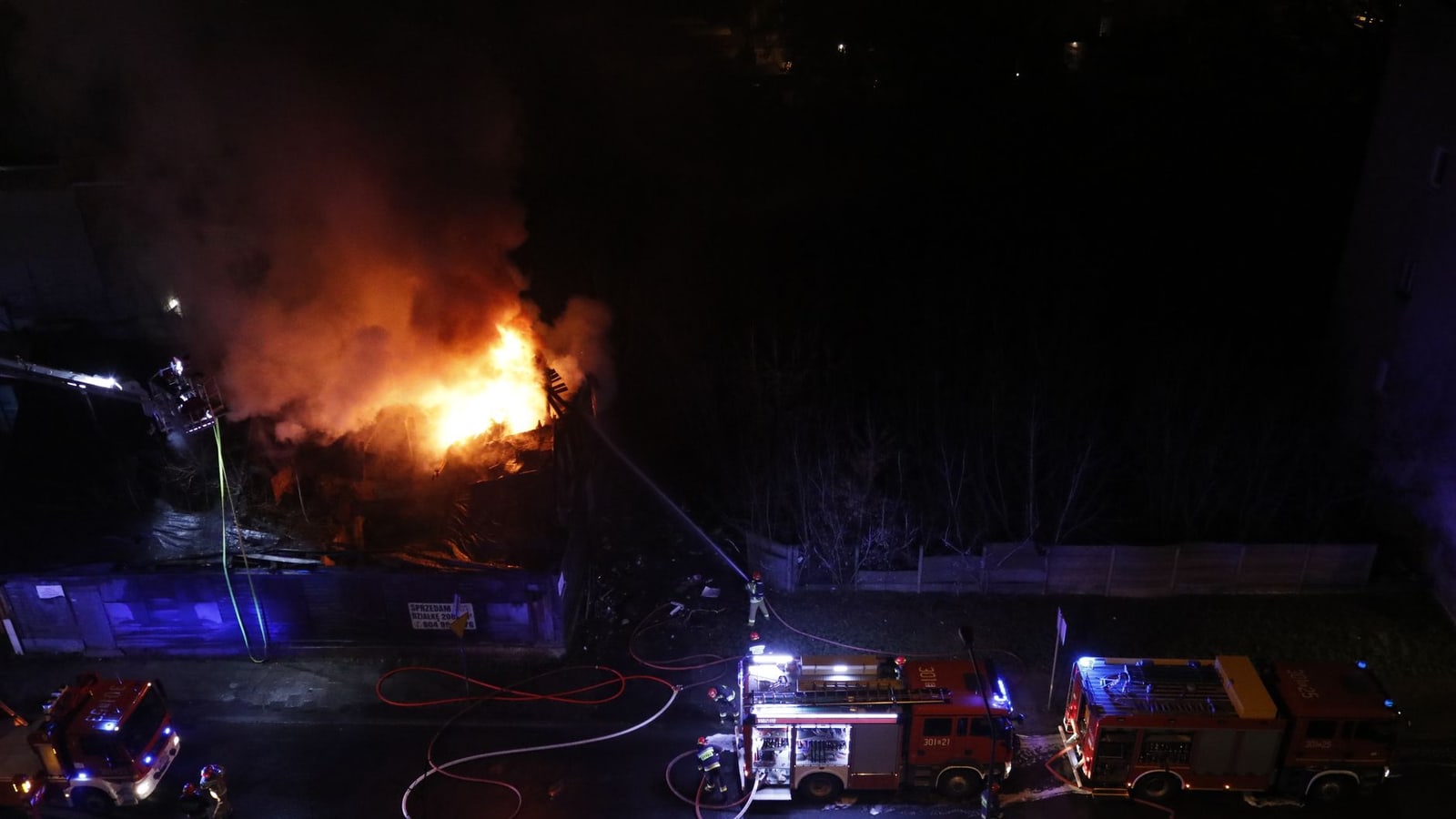
UPDATED 25 AUGUST 2026, 10:00 CEST — , LIÈGE PROVINCE. Walloon authorities said the that began near Baelen at about 13:00 on 14 August is under control, although emergency crews were still tackling localised flare-ups on 24 August. The said 140 to 160 firefighters, police officers, Civil Protection personnel, soldiers, forestry agents and Red Cross logistics staff worked across the site during the previous day, mainly in its eastern sector.
Nearly 3,000 hectares have been affected, according to the Ministry. Residents evacuated from Sourbrodt, Küchelscheid and Leykaul returned home on 19 August, but is maintaining restrictions in designated forests and nature reserves to protect the public and leave access clear for emergency teams. The regional environment administration reported no worrying carbon-monoxide concentrations on 23 August and said a temporary rise in fine particles had subsided that morning.
Belgium fought the fire with local rescue zones, Civil Protection and six Defence Ministry Panther vehicles, while international assistance supplied extra personnel and aircraft. The said Belgium activated the on 15 August. reported that Dutch Chinook helicopters, carrying larger water loads than the Belgian helicopters deployed at the fire, reinforced operations, while German firefighters helped defend the border area.
Those reinforcements exposed the central operational choice now facing the country: Belgium can invest in more specialist national equipment, but it can also strengthen rapid access to pooled European capacity. Aircraft suppress flames and support crews; they do not replace teams on the ground. The Defence Ministry said changing winds, cloud cover and the difficult terrain repeatedly limited aerial operations, forcing responders to encircle parts of the fire from land.
Prevention forms the other half of the response. says 90% of fires in natural areas result from human activity and already uses red-flag access bans, restrictions on fires and barbecues, and public warnings during dry periods. Federal Climate Minister said the government added €850,000 in March to , a programme developing a national incident database, risk maps, propagation modelling, detection systems and analysis of threats to health and critical infrastructure. According to Crucke’s office, a pilot propagation model supported the response.
The immediate task remains extinguishing hidden hotspots, including heat retained below the surface, while enforcing the restricted perimeter. The Walloon and German-speaking governments will then assess operational needs and ecological damage. The fire’s cause, the final burned area and the long-term recovery cost have not yet been officially established.
Impact
Regional — Eastern Wallonia experienced evacuations, forest closures, disrupted recreation and tourism, smoke, and a prolonged emergency deployment. Some recreational areas have reopened, but designated forests and nature reserves remain restricted.
Local — Baelen and the wider eastern Walloon area faced evacuations, smoke, forest closures and disruption to recreation and tourism during the emergency. Some recreational areas have reopened, but access remains restricted in designated forests and nature reserves while crews monitor flare-ups and assess safety. Residents and visitors should treat official closure notices as binding, avoid entering affected woodland and check the Wallonia public information portal or local authority communications before planning walks, cycling trips or other outdoor activities in the High Fens.
International — Belgium’s activation of the EU Civil Protection Mechanism on 15 August turned the High Fens response into a European coordination operation. The mechanism allows participating countries to offer equipment and operational assistance when national capacity is under pressure. The incident demonstrates how Belgian wildfire planning connects with EU emergency-response arrangements and potential help from neighbouring countries. For EU policy readers, the practical test is whether national prevention, surveillance and firefighting assets can work smoothly with assistance coordinated through the European Commission during a fast-moving emergency.
What it means for you
Anyone planning to visit the High Fens should check the Wallonia public information portal and local closure notices immediately before travelling, because designated forests and nature reserves remain restricted despite the fire being under control. Do not enter closed areas or assume that reopened recreational sites mean the entire landscape is accessible. Residents near affected zones should continue following municipal and provincial instructions if smoke or flare-ups return. Policy watchers should monitor the post-incident assessment and how the additional €850,000 allocated to FIRE4BE in March 2026 is translated into prevention, detection and firefighting capacity.
Opposing perspectives
- Supporters of stronger national capacity
Emergency-service advocates and political figures pressing for more Belgian equipment argue that faster access to specialist vehicles, trained wildfire crews and aerial resources reduces dependence on assets that can be unavailable when several European countries burn simultaneously.
- Supporters of pooled European capacity
Officials favouring shared European resources argue that Belgium’s wildfire demand does not justify maintaining a large dedicated water-bomber fleet year-round. They prioritise interoperable ground forces, prevention and rapid access to the EU Civil Protection Mechanism.
- Nature-protection organisations
Environmental organisations stress that aircraft and emergency vehicles address an active blaze, not the underlying vulnerability. They seek stronger peatland restoration, water retention, risk mapping and restrictions during dry periods.
Who, where and what
Key people, places and terms in this story
The European Commission is an EU institution seated in Brussels. In these excerpts it matters as an EU-level policy and service reference for Belgium, including pay transparency implementation, circular textiles, asbestos exposure rules and the Your Europe service.
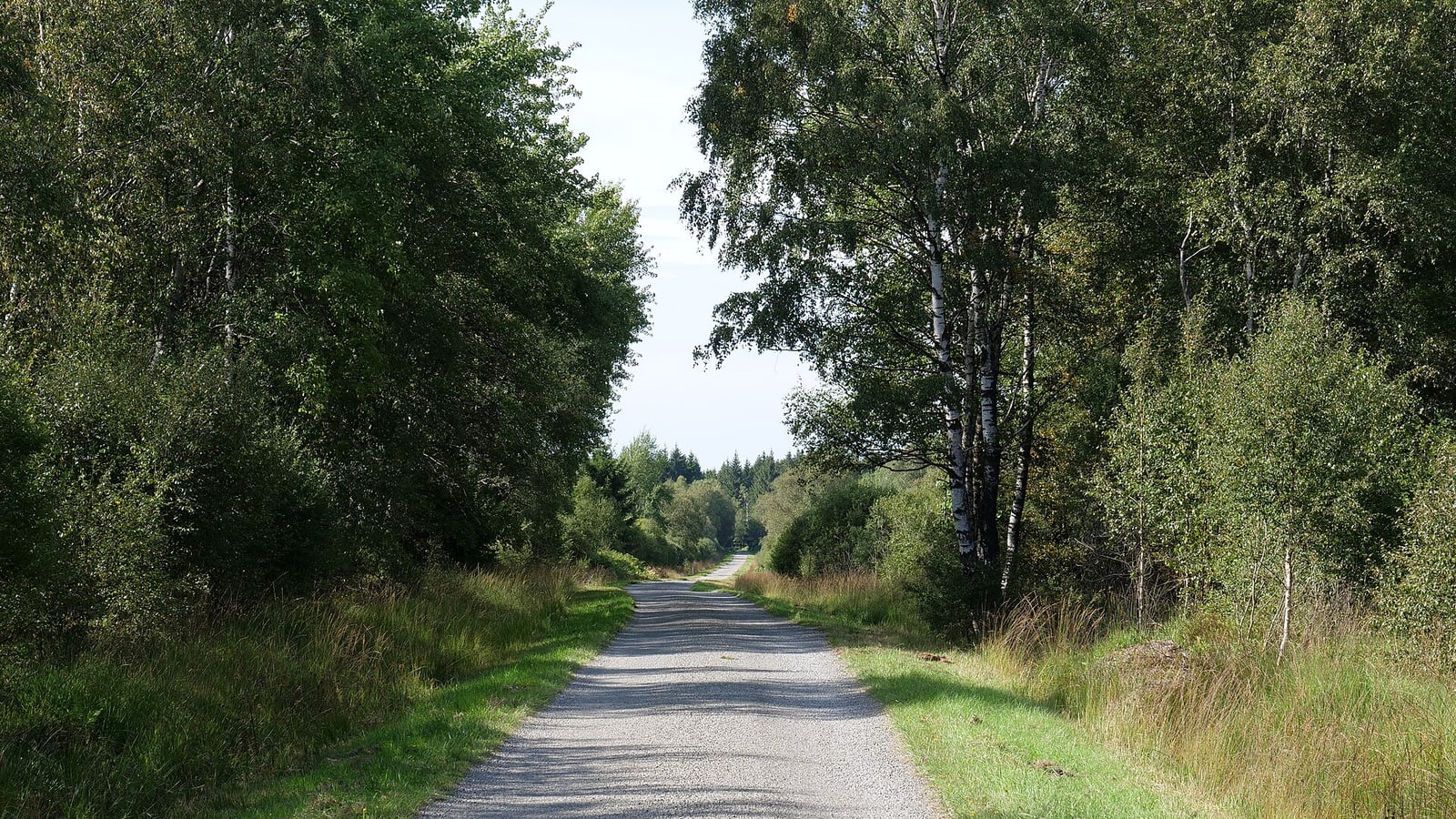
Eastern Belgian peatland, heath and forest landscape affected by the wildfire.
Walloon commune near which the fire began on 14 August 2026.
Belgian region responsible for environmental and forestry management in the affected area.
Federal Minister for Climate associated with the March 2026 FIRE4BE funding announcement and call for stronger preparedness.
Show the full library (14)
Federal Minister for Climate associated with the March 2026 FIRE4BE funding announcement and call for stronger preparedness.
Eastern Belgian peatland, heath and forest landscape affected by the wildfire.
Walloon commune near which the fire began on 14 August 2026.
Belgian region responsible for environmental and forestry management in the affected area.
The European Commission is an EU institution seated in Brussels. In these excerpts it matters as an EU-level policy and service reference for Belgium, including pay transparency implementation, circular textiles, asbestos exposure rules and the Your Europe service.
Vegetation fire beginning on 14 August 2026 that affected nearly 3,000 hectares.
European emergency-assistance framework activated by Belgium on 15 August 2026.
Belgian wildfire-capability initiative receiving an additional €850,000 in federal funding in March 2026.
Regional authority that reported the fire’s start and coordinated public information.
Regional environmental authority providing updates on the High Fens fire and access conditions.
Federal emergency service involved in the wildfire response.
Federal military organisation that deployed aircraft and reported that nearly 3,000 hectares were affected.
Commission representation that reported on European assistance mobilised for Belgium.
Belgian public broadcaster providing live reporting on the wildfire.
Sources & evidence
- View sourceWalloon GovernmentPrimaryofficial· wallonie.be· 24 August 2026Retrieved 25 August 2026· 39 days ago· Dated
- View sourceWalloon Environment Administrationofficial· environnement.wallonie.be· 23 August 2026Retrieved 25 August 2026· 40 days ago· Dated
- View sourceBelgian Defence Ministryofficial· mil.be· 19 August 2026Retrieved 25 August 2026· 44 days ago· Dated
- View sourceEuropean Commission Representation in Belgiumofficial· belgium.representation.ec.europa.eu· 17 August 2026Retrieved 25 August 2026· 46 days ago· Dated
Related topics
Related to this story
Pulse Insight — This topic connects to 10 associations and 3 funding programmes through the Wallonia ecosystem.
Live connections from the Belgium Impulse ecosystem — not recommendations.
This briefing was prepared with AI assistance and reviewed by a Belgium Impulse editor before publication. methodology.