Can Namur turn the ‘trendy stay’ into lasting tourism?
RTBF has presented Namur as a fashionable getaway for two, giving the Walloon capital fresh domestic exposure while its tourism authorities pursue international visitors and a more sustainable city-break economy.
The coverage may help Namur attract overnight visitors rather than day-trippers, supporting hospitality, retail and cultural businesses. It also illustrates how smaller European cities are combining media exposure, urban renewal and sustainable-tourism claims to compete for short breaks.
has put in the spotlight as a fashionable short-stay destination for couples, presenting the Walloon capital through the language of a “séjour trendy” and an easy escapade for two. The broadcaster’s latest Les Ambassadeurs coverage adds national visibility to a city already trying to convert its riverside setting, Citadel and expanding cultural offer into overnight visits rather than brief stopovers.
For Belgium-based travellers, the immediate proposition is straightforward: offers a compact city break without crossing a border. The historic centre, the confluence of the Sambre and Meuse, the Citadel and its cable car can be combined on foot over a weekend. ’s 2026 destination material also promotes terraces, shopping, museums, nature and locally rooted hospitality, placing the city between a heritage excursion and a contemporary leisure stay rather than selling it as a single-attraction destination.
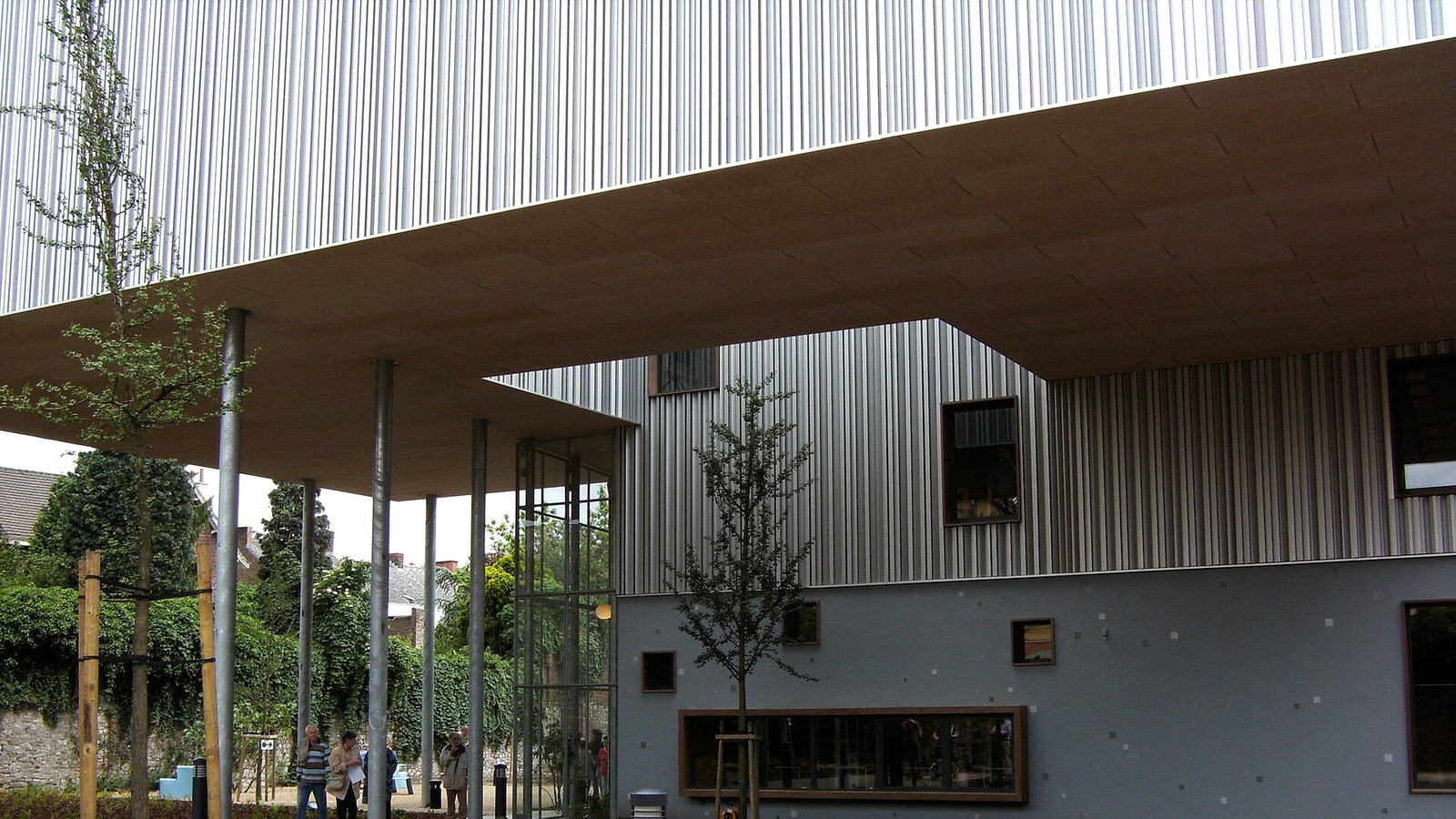
The framing matters because Les Ambassadeurs is part of the French-speaking public broadcaster’s established tourism output. RTBF describes the programme as a showcase for local people, terroir and places to visit; an earlier edition, hosted by with local comedian , featured the Delta, the Royal Theatre, the Grand Manège, the provincial hotel school and Namur folklore. The new “mode séjour trendy” angle is therefore less a discovery of an unknown city than a repositioning of familiar assets for couples and younger short-break travellers.
That repositioning has an economic purpose. Hotels, restaurants, independent shops, cultural venues and attractions benefit more when visitors stay overnight and spread their spending across a full itinerary. The city’s principal tourism stakeholders include , the , and local hospitality businesses. reported that Walloon hotels and resorts reached occupancy rates of up to 90% during parts of summer 2025, while international demand increased from the Netherlands, Germany and Italy. Those regional figures do not establish ’s own performance, but they show why a provincial capital would compete for a larger share of the short-stay market.
There is also a European dimension, although this remains secondary to the local tourism story. In May 2025, hosted roughly 40 tourism experts from EU member states and European institutions during a field visit organised with the Polish presidency of the Council of the EU and . The said the visitors examined its green and digital transition, including the regenerated centre, Terra Nova, the cable car and the Pavillon. Maxime Woitrin, Wallonia’s tourism adviser to the EU, framed Namur’s strengths around sustainable tourism and linked them to the city’s cultural ambitions.
That institutional framing differs from the television pitch. invites viewers to imagine an attractive, fashionable weekend; the Walloon and municipal authorities present as a case study in sustainable urban transformation. Both narratives can reinforce each other, but neither proves that visitor growth is environmentally balanced or widely shared. More stays can support employment and cultural venues, while also increasing pressure on transport, public space and accommodation if growth is poorly managed.
The broader story is the changing competition between smaller European cities. Travellers looking for shorter journeys and less crowded alternatives can make places such as more visible, particularly when rail access, heritage, food and nature sit close together. Namur’s Creative City designation for media arts, obtained in 2021, gives it an international cultural credential beyond the Citadel, while its location as ’s capital supplies an identity distinct from Brussels, Liège or nearby Dinant.
What happens next is chiefly measurable rather than dramatic. The questions are whether exposure produces bookings, whether foreign visitor growth continues, and whether local operators can turn day visitors into overnight guests throughout the year. No booking figures or -specific economic results were disclosed with the RTBF features. Until those arrive, the “trendy stay” remains a persuasive editorial invitation—and a test of whether a refreshed image can become durable tourism policy.
Impact
Regional — The direct impact falls on Namur and the wider Walloon visitor economy, particularly hotels, restaurants, attractions, cultural venues, guides and independent retailers.
Local — The clearest effects would be concentrated in Namur itself, especially among hotels, restaurants, cultural venues, attractions, guides and independent retailers that benefit when visitors stay overnight. Additional media attention may also strengthen the city’s profile among Belgian weekend travellers. The commercial result remains unquantified: no Namur-specific booking, occupancy or visitor-spending impact linked to the RTBF programmes has been published, so businesses and municipal stakeholders cannot yet distinguish promotional visibility from measurable tourism growth.
International — Namur’s international relevance rests on its May 2025 field visit for about 40 EU tourism experts, its UNESCO Creative City of Media Arts status and Wallonia’s reported growth in international demand during summer 2025. Together, these give the city channels for sharing its sustainable-tourism approach and marketing itself beyond Belgium. The available evidence does not show that these initiatives have produced a specific increase in foreign bookings for Namur, so the cross-border effect currently concerns positioning and professional visibility more than demonstrated economic results.
What it means for you
Readers considering a Belgian city break can use Visit Namur’s 2026 destination guide to compare accommodation, cultural and leisure options before booking. Because the RTBF coverage targets short stays and couples, weekend demand may concentrate around promoted venues; check availability and prices directly rather than assuming standard rates. Tourism businesses should monitor inquiries, overnight stays and customer origin after the broadcasts to test whether exposure converts into sales. Policy readers should watch for Namur-specific occupancy, booking or visitor-spending data, since none has yet established a measurable RTBF effect.
Opposing perspectives
- RTBF’s leisure-oriented framing
RTBF’s “séjour trendy” and couples’ escapade presentation treats Namur primarily as an inviting, fashionable experience: a compact combination of scenery, food, culture and relaxation intended to make viewers consider booking a nearby break.
- Walloon and EU sustainable-tourism framing
The City of Namur and Wallonia present the destination more institutionally. Maxime Woitrin, Wallonia’s tourism adviser to the EU, said the region and Namur have “many assets for sustainable tourism,” linking visitor appeal to green transition, culture and long-term urban development.
Who, where and what
Key people, places and terms in this story
Walloon capital promoted as a fashionable, sustainable short-break destination.
Belgian region whose visitor economy and international tourism demand provide the wider setting.
Presenter of Les Ambassadeurs.
Local comedian and presenter who participated in an earlier Les Ambassadeurs visit to Namur.
Belgian public-service broadcaster that published the tourism features about Namur.
Show the full library (15)
Presenter of Les Ambassadeurs.
Local comedian and presenter who participated in an earlier Les Ambassadeurs visit to Namur.
Walloon capital promoted as a fashionable, sustainable short-break destination.
Belgian region whose visitor economy and international tourism demand provide the wider setting.
May 2025 visit involving about 40 EU tourism experts.
International cultural designation held by Namur since 2021.
Belgian public-service broadcaster that published the tourism features about Namur.
RTBF tourism programme presenting Belgian destinations through local experiences and hosts.
Destination body marketing Namur and publisher of the 2026 destination guide.
Municipal stakeholder pursuing tourism development and sustainable positioning.
Regional tourism body that reported stronger international demand across Wallonia in summer 2025.
Regional destination-marketing organisation promoting Wallonia domestically and internationally.
United Nations agency whose Creative Cities Network designated Namur a Creative City of Media Arts.
Institutional context for the tourism experts who visited Namur in May 2025.
Current visitor guide for planning accommodation and activities in Namur.
Sources & evidence
- View sourceRTBF — Les Ambassadeurs en mode “séjour trendy” à NamurPrimaryprimary· news.google.comRetrieved 26 August 2026
- View sourceRTBF — Et si Namur devenait votre prochaine escapade à deux ?primary· news.google.comRetrieved 26 August 2026
- View sourceCity of Namur — Namur, inspiration for sustainable tourism in Europeofficial· namur.be· 7 May 2025Retrieved 26 August 2026· 513 days ago· Dated
- View sourceVISITWallonia Presse — Summer 2025 tourism assessmentofficial· presse.visitwallonia.be· 1 September 2025Retrieved 26 August 2026· 396 days ago· Dated
Related topics
Related to this story
Pulse Insight — This topic connects to 10 associations and 3 funding programmes through the Wallonia ecosystem.
Live connections from the Belgium Impulse ecosystem — not recommendations.
This briefing was prepared with AI assistance and reviewed by a Belgium Impulse editor before publication. methodology.