Walloon opposition challenges government over lessons from High Fens fire
Walloon opposition parties challenged Minister-President Adrien Dolimont’s government in parliament on Wednesday over its preparation for the High Fens wildfire, arguing that earlier warnings and lessons from past disasters had not produced a sufficiently robust prevention system.
The debate will help determine whether Wallonia treats extreme wildfires as exceptional emergencies or as a recurring climate-related risk requiring permanent prevention, equipment and coordination. It also tests whether the institutional lessons drawn after the 2021 floods have changed regional decision-making.
Walloon opposition parties challenged the regional government in Namur on Wednesday, 26 August, over its preparation for the wildfire, pressing Walloon Minister-President of the Mouvement Réformateur (MR) to explain why earlier warnings had not produced a more developed wildfire strategy. The extraordinary committee hearing ended without an immediate policy decision, while operations continued against local flare-ups and the cause of the fire remained under investigation.
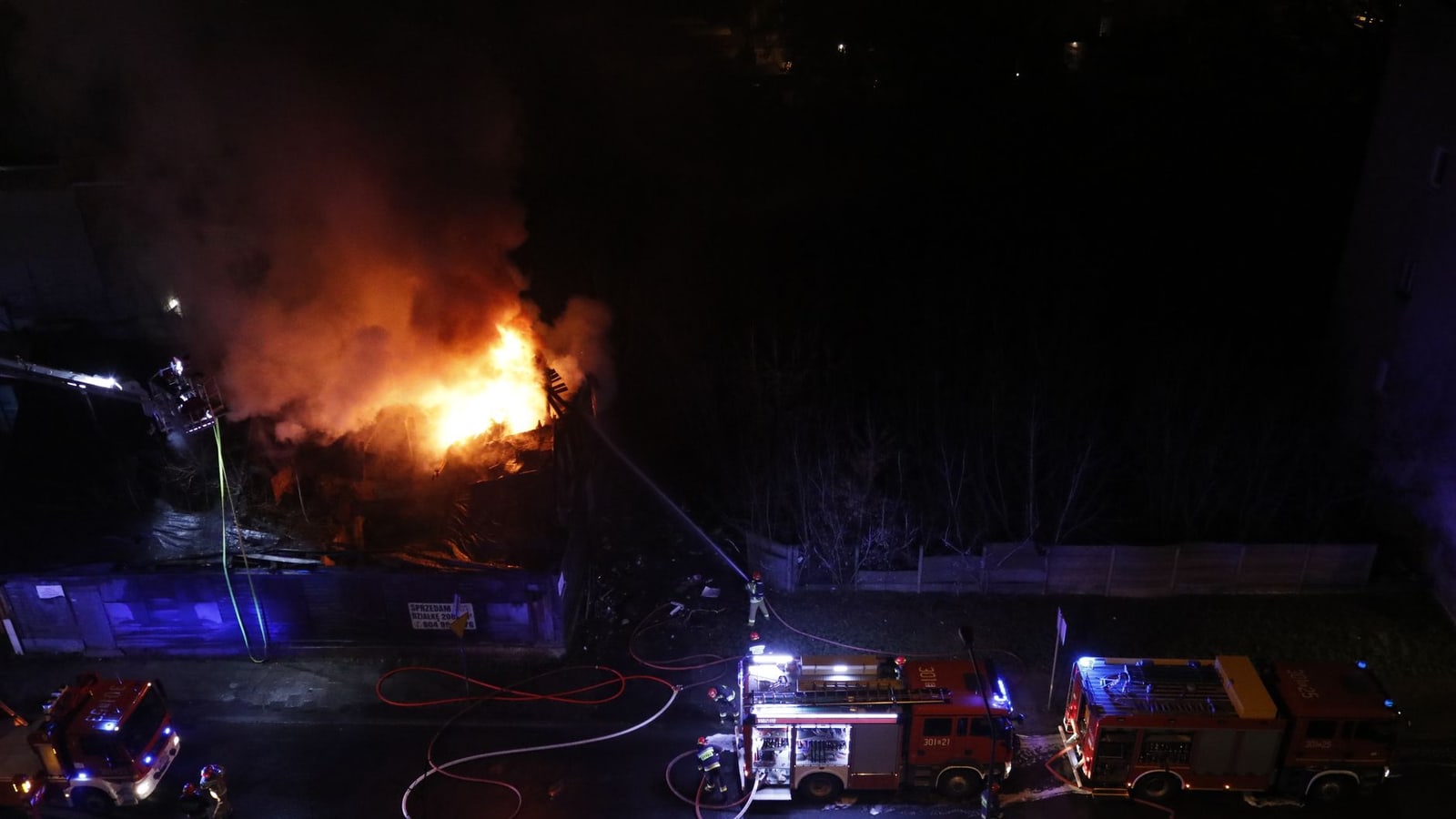
The questioning followed the blaze that began near at about 13:00 on 14 August. It spread across roughly 3,000 hectares of the before being brought largely under control, according to updates from the Walloon authorities. Firefighters from across Belgium worked alongside the Civil Protection service, the military, police, ’s Department of Nature and Forests and foreign teams. Residents in several nearby communities were evacuated as a precaution. No deaths were reported and no homes were destroyed.
Those outcomes formed the government’s strongest defence: an exceptionally difficult fire in dry, peat-rich terrain was contained without loss of life. MR federal MP and mayor Victoria Vandeberg, who participated in the provincial crisis operation, said the chain of command had functioned and reinforcements had arrived as conditions changed. In an MR statement after the federal hearing, she called attempts to pass a final judgement while crews were still working a form of “political theatre”, while accepting that Belgium must review its aerial capacity, prevention and preparedness.
The Walloon opposition drew a different distinction. Its argument was not principally that firefighters had failed, but that political preparation before the first flames may have been inadequate. The Socialist Party, Ecolo and the Workers’ Party of Belgium (PTB) questioned whether access to the reserve should have been restricted earlier, whether sufficient surveillance and firebreak planning existed, and what had become of previous proposals for an integrated wildfire strategy. The criticism conveyed an “impression that no lesson has been learned”, as the debate was reported by 7sur7 and Belga.
PTB Walloon MP Julien Liradelfo had already asked why the remained open when the fire risk was elevated and whether personnel and equipment were mobilised quickly enough. His party requested urgent hearings at both levels of government. Before the blaze, the Socialist group had also pointed to a resolution it tabled in October 2025 for an integrated forest-fire strategy and invoked the inquiry into the fatal 2021 floods, which identified weaknesses in ’s culture of risk management.
That history makes the dispute more than a quarrel over one emergency response. The July 2021 floods killed 39 people in and led the regional parliament to examine warning systems, coordination and institutional readiness. The also suffered substantial fires in 2011 and 2023. Opposition parties therefore see a recurring gap between identifying a changing hazard and converting that knowledge into standing plans, budgets and operational capacity. The government and its majority partners counter that preparation cannot eliminate every disaster and that a credible assessment must be based on a structured review rather than conclusions reached during the emergency.
Belgium’s division of powers complicates the account of responsibility. controls forests, nature conservation, land management and much of the preventive policy affecting the reserve. Provincial authorities direct a provincial emergency phase, while federal competences include Civil Protection, national crisis coordination, the federal police and Defence support. Municipalities issue local safety measures, and the EU Civil Protection Mechanism can supply foreign aircraft or specialised teams. The absence of a federal emergency phase became one subject of questioning at the Chamber, but it does not by itself establish that coordination failed.
The fire also tested that European layer. Belgium used international assistance as several European countries were fighting major fires of their own. Vandeberg described recourse to the EU mechanism as its intended purpose rather than evidence of national failure. Even so, reliance on shared aircraft raises a practical question: what happens when many member states require the same scarce capacity at once?
For residents and businesses around , , , and , the immediate issue remains safety rather than parliamentary blame. Roads reopened on 25 August with restrictions, but access to the affected forests remained prohibited. said about 100 responders were still tackling flare-ups in the northern and eastern sectors that evening, while reinforced monitoring had not identified a drinking-water risk. The burnt peat, weakened trees, possible old munitions and concealed hot spots mean the landscape cannot simply reopen when visible flames disappear.
The next meaningful test will be whether the committee debate produces a published after-action review with responsibilities, deadlines and funding. Parliament is likely to revisit forest access rules, surveillance, firebreaks, aerial support and cooperation across Belgium’s levels of government during the 2024-2029 regional term. Investigators must still establish how the fire started, and authorities have not yet published a definitive ecological damage assessment. Until those findings arrive, claims about the cause or about individual operational failures remain premature.
Impact
Regional — The immediate impact is concentrated in eastern Wallonia, particularly around Baelen, Waimes, Bütgenbach, Eupen and Jalhay. Forest closures affect residents, nature management, recreation and tourism, while ecological recovery in peat and heathland habitats may take years.
Local — The direct effects are concentrated around Baelen and the wider eastern Walloon communes of Waimes, Bütgenbach, Eupen and Jalhay. Roads near the fire reopened on 25 August, but access to affected forests remained prohibited, limiting walking, recreation and nature-management work. Residents and visitors should respect closure notices and check local guidance before entering the High Fens. Authorities reported no deaths or destroyed homes, although roughly 3,000 hectares were affected and recovery of peat, heathland and forest habitats may take years.
What it means for you
Residents and visitors in eastern Wallonia should continue to obey forest-access bans and consult local authority notices before planning walks or other activities in the affected High Fens area; reopening nearby roads on 25 August did not end the forest prohibition. People elsewhere in Belgium face no announced new obligation or charge from the parliamentary hearing itself. The next concrete issues to watch are decisions on prevention, equipment, forest management and emergency coordination, plus the Liège prosecutor’s investigation into the still-undetermined cause of the fire.
Opposing perspectives
- PS, Ecolo and PTB opposition
The opposition frame separates the work of firefighters from political preparedness. These parties argue that earlier fires, the 2021 flood inquiry and expert warnings should already have produced clearer access rules, prevention plans, surveillance, firebreaks and adequately funded response capacity.
- MR–Les Engagés government and MR local officials
The majority frame emphasises the operational result: an unusually large and technically difficult peatland fire was contained without deaths or destroyed homes through provincial command, nationwide mobilisation and foreign assistance. It says lessons should follow a factual review, not immediate partisan conclusions.
- Regional-versus-federal responsibility
Walloon MPs focus on regional control of forests, nature and prevention, while federal scrutiny concerns Civil Protection and national crisis coordination. The institutional split means neither level alone controlled every relevant resource, making coordination as important as formal competence.
Who, where and what
Key people, places and terms in this story
Federal Interior Minister responsible for federal security resources relevant to major emergencies.
Minister-President leading the Walloon government challenged by opposition parties.
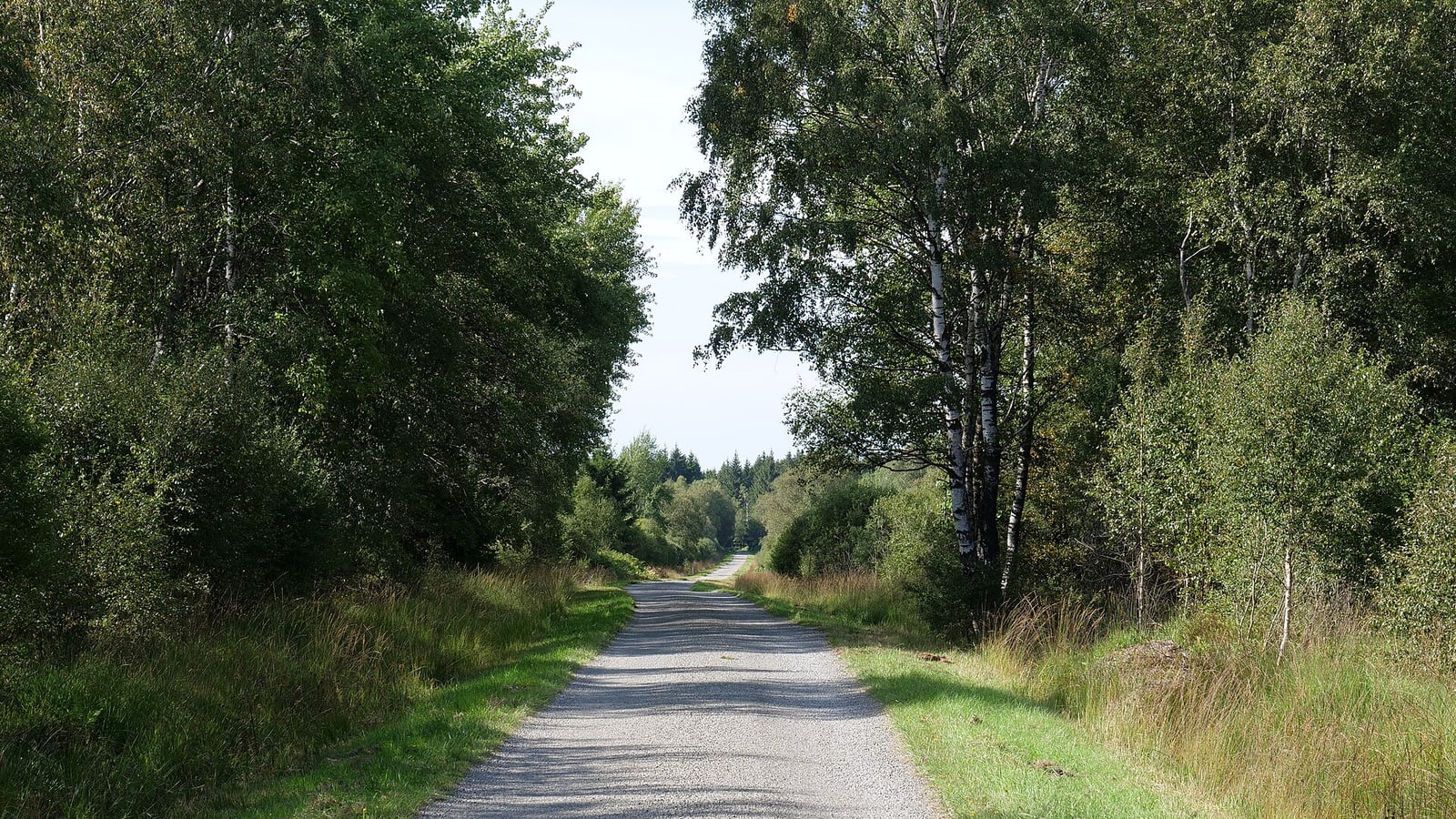
Eastern Walloon landscape where the August 2026 wildfire occurred.
Commune near which the fire began on 14 August 2026.
Belgian region responsible for forests and nature policy and the principal political arena for the dispute.
Show the full library (15)
Minister-President leading the Walloon government challenged by opposition parties.
Federal Interior Minister responsible for federal security resources relevant to major emergencies.
Eastern Walloon landscape where the August 2026 wildfire occurred.
Commune near which the fire began on 14 August 2026.
Belgian region responsible for forests and nature policy and the principal political arena for the dispute.
Eastern Walloon commune in the area affected by closures and disruption.
Eastern Walloon commune in the wider area affected by the wildfire.
Eastern Walloon city in the wider area affected by the wildfire.
Eastern Walloon commune in the wider area affected by the wildfire.
Province containing the affected area and involved through its governor.
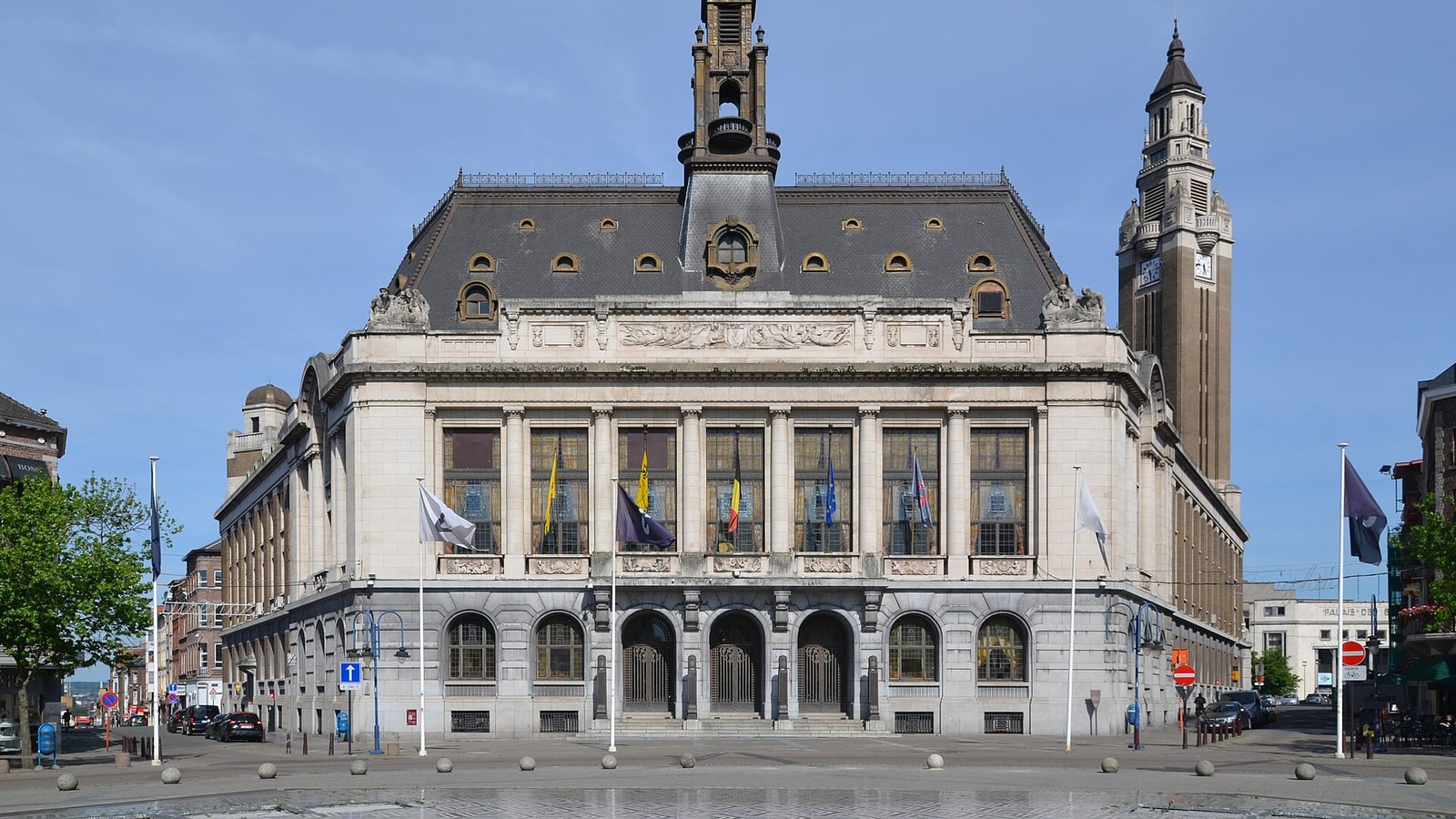
Regional legislature that convened the extraordinary committee hearing on 26 August 2026.
Regional executive facing scrutiny over wildfire prevention and crisis preparedness.
Governing party defending the regional response and rejecting opposition criticism.
MR’s coalition partner in the Walloon government.
Opposition party challenging the government over prevention and preparedness.
Sources & evidence
- View source7sur7 / BelgaPrimaryprimary· 7sur7.be· 26 August 2026Retrieved 26 August 2026· 37 days ago· Dated
- View sourceParliament of Walloniaofficial· parlement-wallonie.be· 19 August 2026Retrieved 26 August 2026· 44 days ago· Dated
- View sourceWalloon Governmentofficial· wallonie.be· 14 August 2026Retrieved 26 August 2026· 49 days ago· Dated
- View sourcePTBprimary· ptb.be· 17 August 2026Retrieved 26 August 2026· 46 days ago· Dated
Related topics
Related to this story
Pulse Insight — This topic connects to 10 associations and 3 funding programmes through the Wallonia ecosystem.
Live connections from the Belgium Impulse ecosystem — not recommendations.
This briefing was prepared with AI assistance and reviewed by a Belgium Impulse editor before publication. methodology.